Residents of Krowor in the Greater Accra Region have received access to breast cancer examinations, HIV testing, malaria screening and other healthcare services through a community outreach programme in Nungua.
The initiative, organised by the Ghana AIDS Commission in partnership with the Office of the First Lady, Lordina Mahama, was held at the forecourt of the Nungua Traditional Council. Its aim was to make preventive healthcare more accessible and encourage residents to learn their health status.
More than 500 people were screened for breast cancer and tested for HIV during the exercise.
The outreach comes as Ghana faces a substantial breast cancer burden. An estimated 5,487 new cases and 2,695 deaths were recorded in 2024. However, findings from a study based on the 2022 Ghana Demographic and Health Survey showed that only 18.4 per cent of surveyed women had undergone breast cancer screening.
The figures point to a continuing gap between the scale of the disease and the number of people being screened for early detection.
HIV testing and counselling were also central to the programme. Ghana’s 2025 National HIV Estimates and Projections put the number of people living with HIV at 337,435, while 13,951 new infections were recorded during the year. Greater Accra accounted for an estimated 77,512 people living with the virus.
Health officials say wider access to testing is essential to finding undiagnosed infections, connecting people with treatment and reducing further transmission.
Call for greater support
Representing the First Lady, the Minister for Gender, Children and Social Protection, Dr Agnes Naa Momo Lartey, urged stronger support for people affected by breast cancer. She highlighted the need for early diagnosis, access to treatment and continued assistance for survivors.
“A diagnosis can disrupt employment, affect businesses, reduce household income and increase caregiving responsibilities, placing additional pressure on families already experiencing financial difficulties, particularly for women in vulnerable conditions,” she said.
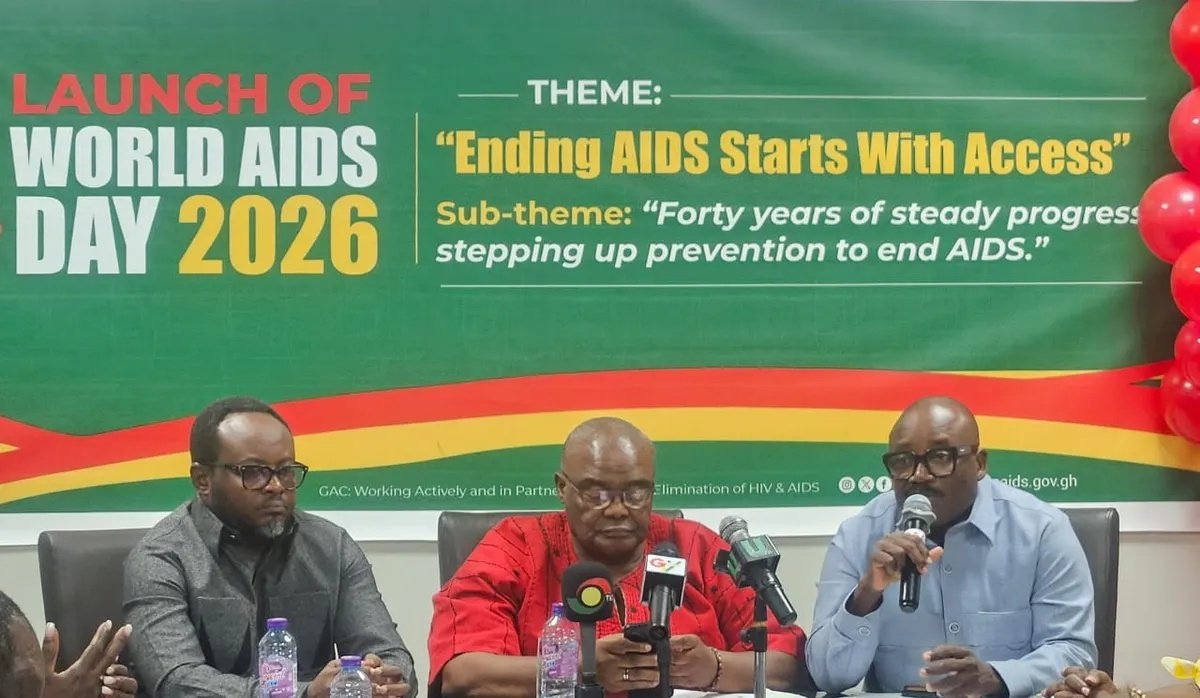
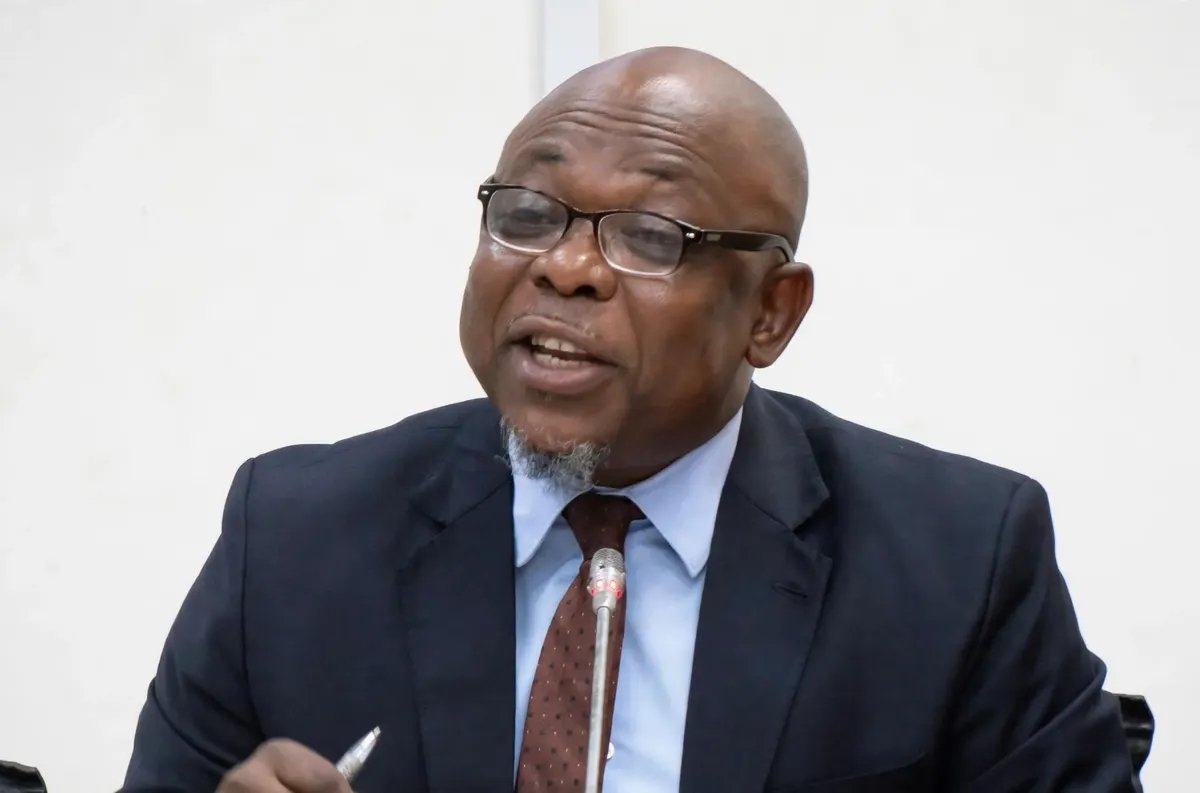
Dr Kharmacelle Prosper Akanbong, Director-General of the Ghana AIDS Commission, said delivering services within communities could help remove barriers to healthcare and promote prevention, screening and testing.
“By bringing HIV testing and breast cancer screening to the people of Nungua here, we are making it easier for people to take care of their health while doing their daily activities,” he said.
“This is particularly important for market women, traders, drivers, head porters, young people and other community members who may find it difficult to visit health facilities during working hours.”
Two breast cancer survivors who spoke at the event encouraged women not to regard a diagnosis as a death sentence, stressing the importance of early detection and receiving appropriate care and support.
The programme combined breast cancer awareness, HIV prevention and other essential services. Health authorities now face the challenge of ensuring that community outreach leads to sustained screening, early diagnosis, treatment and continued care after the event.