Ghana’s HIV response faces a growing financing challenge as international support declines, with the Ghana AIDS Commission (GAC) calling for increased domestic funding to protect progress made over the past four decades.
The Commission says the government must take greater responsibility for financing HIV prevention, testing and treatment as donor support becomes less certain.
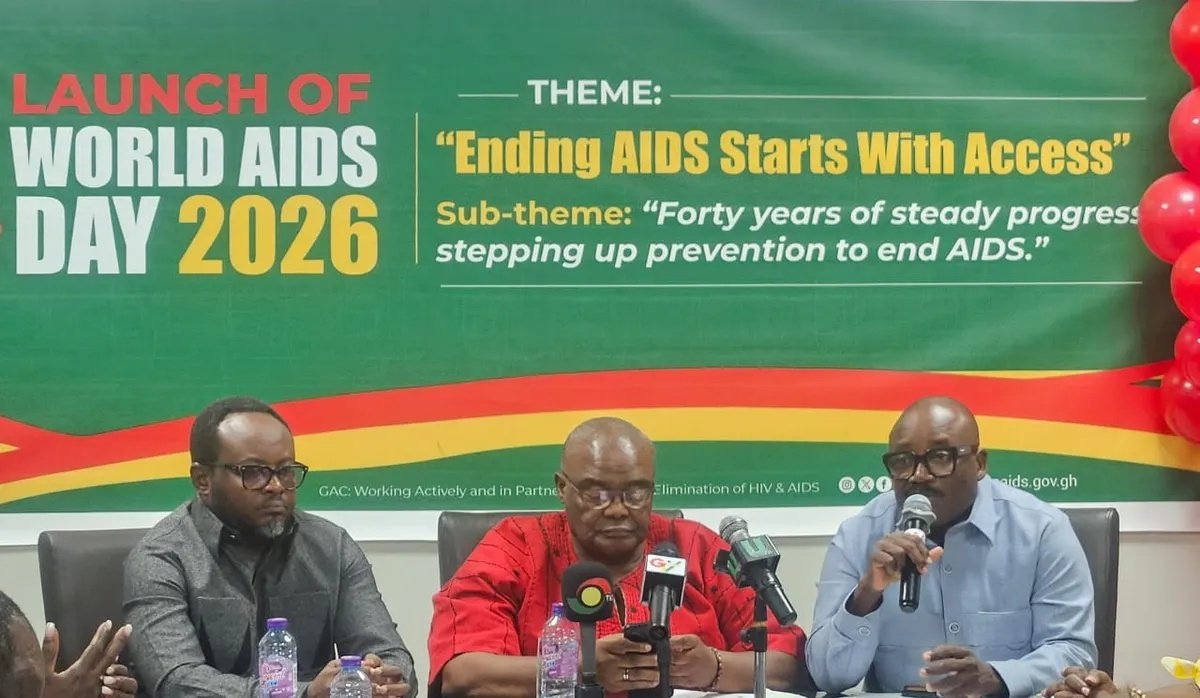
The 2026 World AIDS Day is being observed under the theme, “40 Years of Steady Progress: Stepping Up Prevention to End AIDS.”
The anniversary is intended not only to recognise Ghana’s achievements since it began responding to HIV and AIDS 40 years ago, but also to highlight the need to maintain uninterrupted access to prevention services, particularly for people who remain vulnerable to HIV.
The country now faces the task of building on progress in treatment and survival while strengthening prevention, reducing stigma and securing a sustainable source of domestic funding.
At the launch of the 2026 World AIDS Day, National AIDS/STI Control Programme (NACP) Programme Manager Dr Emmanuel A. A. Teviu said prevention information, testing and links to treatment would be taken closer to communities.
That approach, he said, should make it easier for people to establish their HIV status and access the care they need.
Dr Teviu also said the programme was improving the redistribution of HIV commodities between regions to reduce the risk of health facilities running out of supplies because of poor stock management.
“We have adequate commodities available so that we can sustain the gains we have achieved in the last 40 years and make sure that our message and call for prevention, for people to go and test and know their status and all that, is not interrupted,” he said.
He said changes in the global funding environment had made it necessary for countries to find more resources internally.
“Globally, the funding landscape has changed tremendously, and every country is now looking inwards to see how they can close the gap. I am sure we are all aware of what the Government of Ghana has led over the past few months. The Accra Reset Agenda is one of the fallouts from that quest to make sure that we are domestically okay to be able to finance the HIV response,” he said.
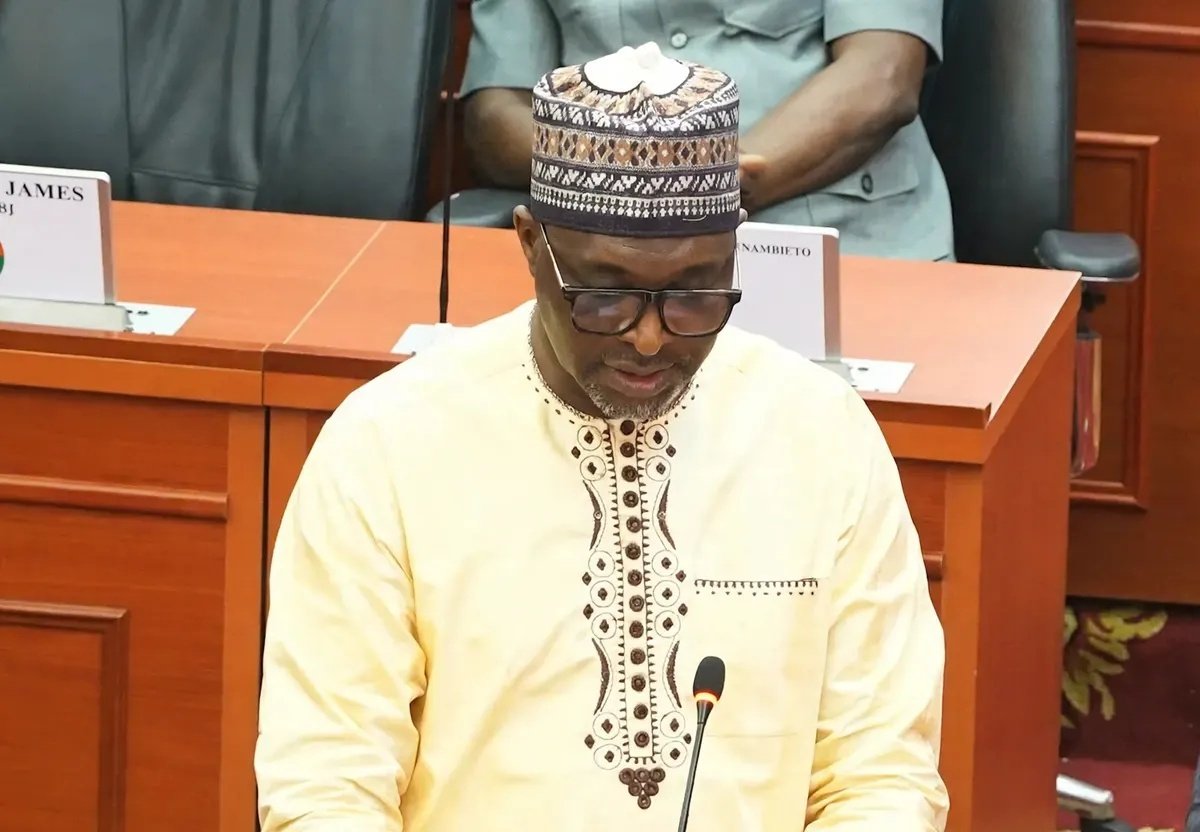
Ghana AIDS Commission Director-General Dr Kharmacelle Prosper Akanbong said the government was working to sustain the national programme, including financing HIV commodities and plans to include HIV services in the Free Primary Healthcare programme.
“Government is also exploring ways to integrate HIV services into the Free Primary Healthcare programme, allowing community-based health workers to provide prevention education, testing and referrals for treatment,” he said.
“Over the 40 years, a major part of our national response, the financing aspect, was sponsored by donor agencies. We are talking about the World Bank, Global Fund, Joint UN National Task Force for AIDS and bilateral relationships.”
The GAC estimates that maintaining Ghana’s comprehensive HIV response will require about $220 million. The figure covers medicines, prevention commodities, treatment, human rights interventions and other essential services.
The Commission says the changing funding landscape underlines the need to mobilise more resources within Ghana, as continued access to medicines and services is central to helping people living with HIV remain healthy and preventing new infections.