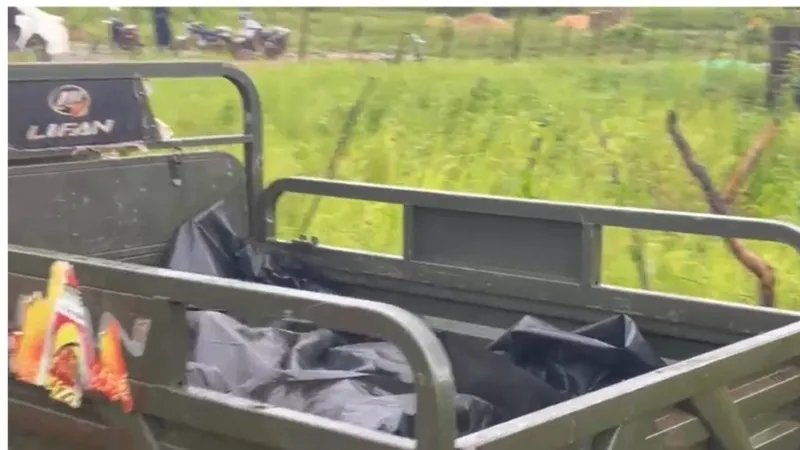
Ghana must act immediately to prevent cocaine trafficking from developing into a second major security threat, alongside the country’s ongoing battle against illegal mining, known locally as galamsey.
The warning comes as cocaine shipments worth hundreds of millions of dollars are reported to have originated from Ghana. Such operations should not be treated as ordinary drug offences, but as evidence of criminal networks with substantial financial backing, sophisticated logistics and international connections.
Ghana’s experience with galamsey provides a serious cautionary example. The illegal mining industry began on a smaller scale, but the state failed to respond decisively. As financing increased and networks widened, weapons became involved. Illegal miners now directly challenge state security, meaning galamsey has developed beyond an environmental crisis into a national security threat.
The concern is that cocaine trafficking could follow a similar path. The histories of Colombia and Mexico demonstrate the danger of allowing drug cartels to become established. Their wealth and access to weapons can weaken public institutions and undermine the rule of law.
A second burden for the state
There is no claim that galamsey and cocaine trafficking are controlled by the same cartel. The central issue is whether Ghana, already struggling to contain one large illicit economy, has the capacity to confront another.
Countering galamsey requires sustained intelligence work, surveillance, armed deployments and prosecutions. A large-scale cocaine trade would place additional demands on the country’s ports, border controls, financial intelligence systems and courts.
The state must therefore prevent the cocaine trade from expanding before the money generated by it gives criminal groups greater influence over institutions and makes dismantling their networks far more difficult and costly.
Large criminal profits can purchase protection, encourage corruption and fund the acquisition of weapons. For that reason, prevention is the only practical strategy, rather than waiting until the networks become deeply entrenched.
Calls for government action
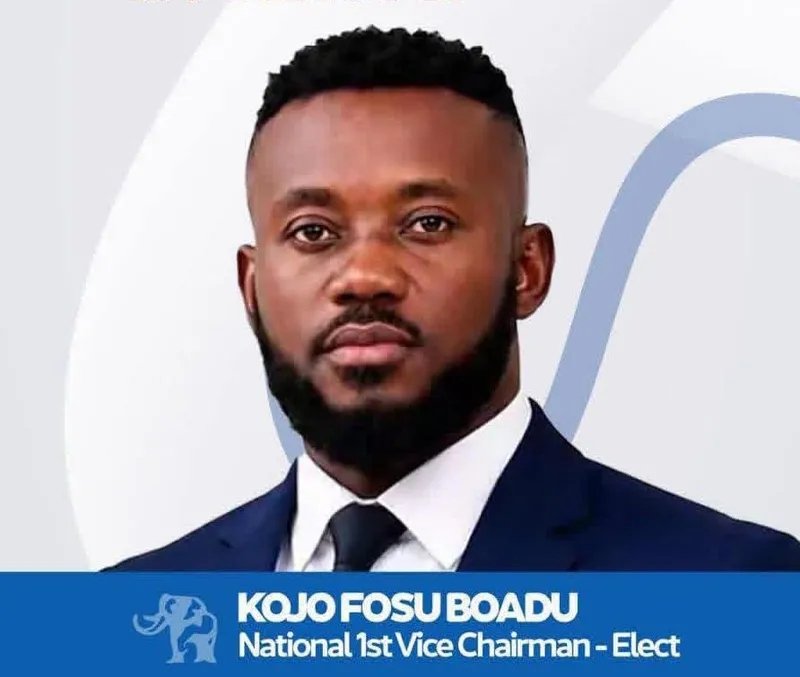
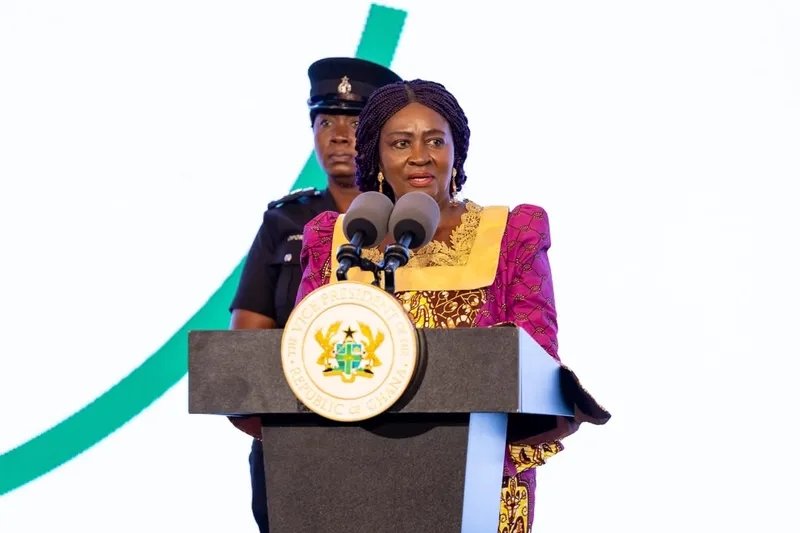
The NDC government must be held accountable, but the issue goes beyond party politics. The government needs to establish who is financing these costly operations, how consignments of such size are passing through Ghana’s security systems, and which insiders may be facilitating or protecting the trade.
Where investigations identify official involvement, legal action must be taken without political fear or favour.
Recent inter-agency operations are welcome, but they cannot become part of a routine pattern in which authorities announce seizures and arrest couriers while those directing the trade remain untouched. Action must reach the people financing and organising the operations.
Ghana already understands the consequences of allowing an illegal economy to expand without effective intervention. Having one major security challenge linked to galamsey, the country cannot afford another involving cocaine cartels with even greater power.
The opportunity to stop that threat is now.
#MEN@WORK