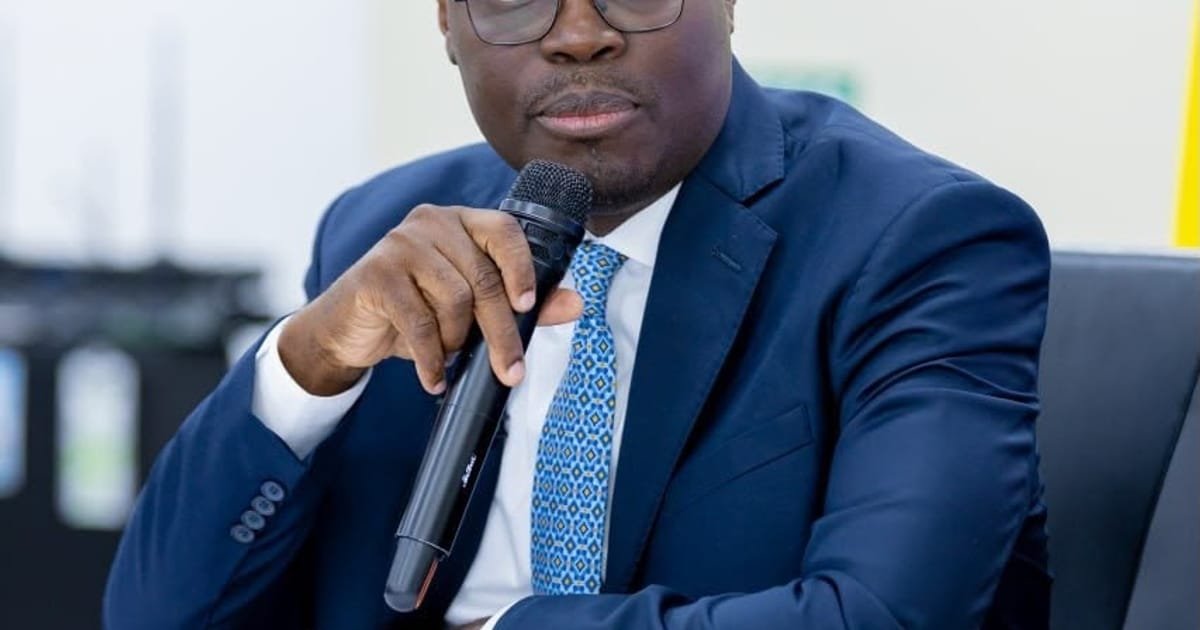
Ghana will apply tougher tests to development projects before taking on fresh debt, Finance Minister Dr. Cassiel Ato Forson has said, as the government seeks to protect debt sustainability and avoid a repeat of the circumstances that led to the country’s 2022 debt crisis.
Speaking during the Fifth Session of the Ghana–China Joint Commission on Economic, Trade, and Technical Cooperation, Dr. Forson said Ghana would no longer pursue loans merely because funds were available.
“Ghana will now proceed with discipline. We will not borrow simply because financing is available,” Dr. Forson said.
The Finance Minister said future borrowing would have to be linked to projects with a clear economic purpose. He said proposals would need to be properly justified, procured transparently and designed to support economic growth, generate revenue or reduce costs.
That approach would apply to major infrastructure projects financed through cooperation with China, including roads, railways, power plants and industrial enclaves.
Dr. Forson said such projects must produce measurable benefits for the Ghanaian economy rather than add to the country’s financial obligations without a clear return.
“Any road, railway, power plant, industrial enclave, or other infrastructure financed through this cooperation must improve productivity, create jobs, increase exports, and strengthen Ghana’s ability to repay its obligations,” he said.
His comments set out a more cautious position on development financing, with the government placing greater emphasis on the economic performance of projects before commitments are made. Under the approach described by Dr. Forson, infrastructure would be expected to contribute directly to productivity, employment, exports or the state’s ability to meet its repayment responsibilities.
The minister also said Ghana would seek a wider range of financing options. Diversifying the sources of funding, he said, would form part of the effort to maintain debt sustainability while supporting development.
“We will diversify our financing sources, protect debt sustainability, and avoid a return to the conditions that led to the 2022 debt crisis,” he stated.
The remarks were made in the context of Ghana’s economic and technical cooperation with China. They indicate that the government intends to assess proposed projects not only by their immediate financing opportunities, but also by their long-term contribution to the economy and their effect on the country’s capacity to repay debt.
Dr. Forson’s position makes clear that access to funding alone will not be sufficient for a project to proceed. Each proposal will have to demonstrate an economic justification, follow transparent procurement processes and show how it can strengthen Ghana’s finances or wider productive capacity.