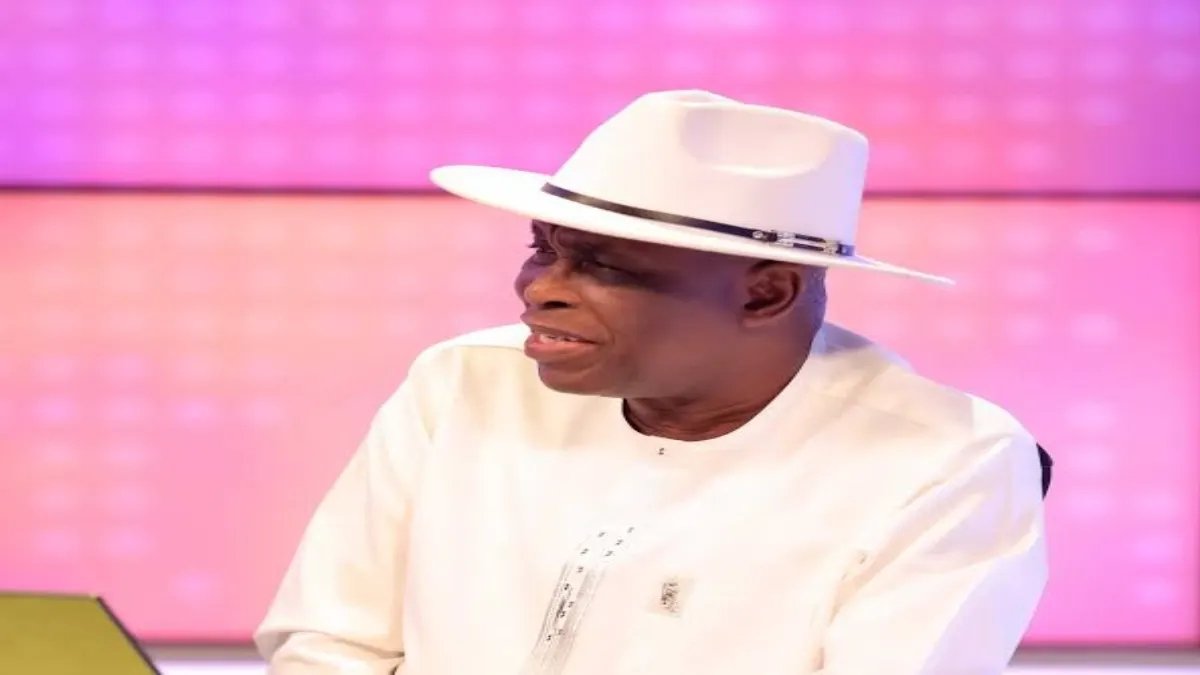
Labour Consultant Austin Gamey has criticised teacher unions for maintaining their strike while talks with the government are still under way, saying industrial action during negotiations is unfair and risks forcing one side to accept demands under pressure.
Speaking on TV3’s Daily Brief on Tuesday, October 6, Gamey said parties involved in labour negotiations should not use strikes or other measures designed to compel the opposing side to agree to their position.
He said Ghana had established procedures, both in law and in practice, for settling disputes between employers and workers. Those processes, he argued, should be followed while discussions continue.
According to Gamey, parties at the negotiating table should first agree not to intimidate one another or take industrial action during the talks.
“If you do so, it is like you are holding the other party to ransom and compelling him or her to sort of agree to your wishes. That way you will end with the parties doing something they don’t want to do. It is not a fair approach,” he said.
Gamey said effective industrial relations depended on negotiations conducted in good faith, rather than pressure tactics. He also acknowledged that the teachers had genuine concerns and said those issues had been raised over an extended period.
“The teachers have legitimate concerns. They started raising it not today, and we have bodies in this country that can sit with them and ensure that the employer and themselves negotiate in good faith,” he said.
He argued that neither workers nor employers should enter negotiations with demands backed by an ultimatum that could bring the process to an end if they were not accepted immediately.
“So, we do not come to the table with a condition hanging on the neck of the other party that if you don’t agree to my wish at all cost, then I will break down everything, like taking strike action or the employer taking a unilateral action,” he stated.
“Whichever form it is, it doesn’t smell like industrial relations at all.”
Gamey maintained that negotiations should not involve either party holding the other “to ransom”. However, he conceded that the government, in its role as employer, could have acted earlier to respond to the teachers’ concerns.
“I concede the employer should have been more proactive than they have done,” he said.
A meeting between the teacher unions and the government on Tuesday, October 6 ended without agreement after the unions rejected the government’s proposal.
The discussions are expected to resume on Wednesday, October 7, with the aim of resolving the dispute.
Activities in pre-tertiary schools have been suspended for two weeks since the teachers began their indefinite strike.