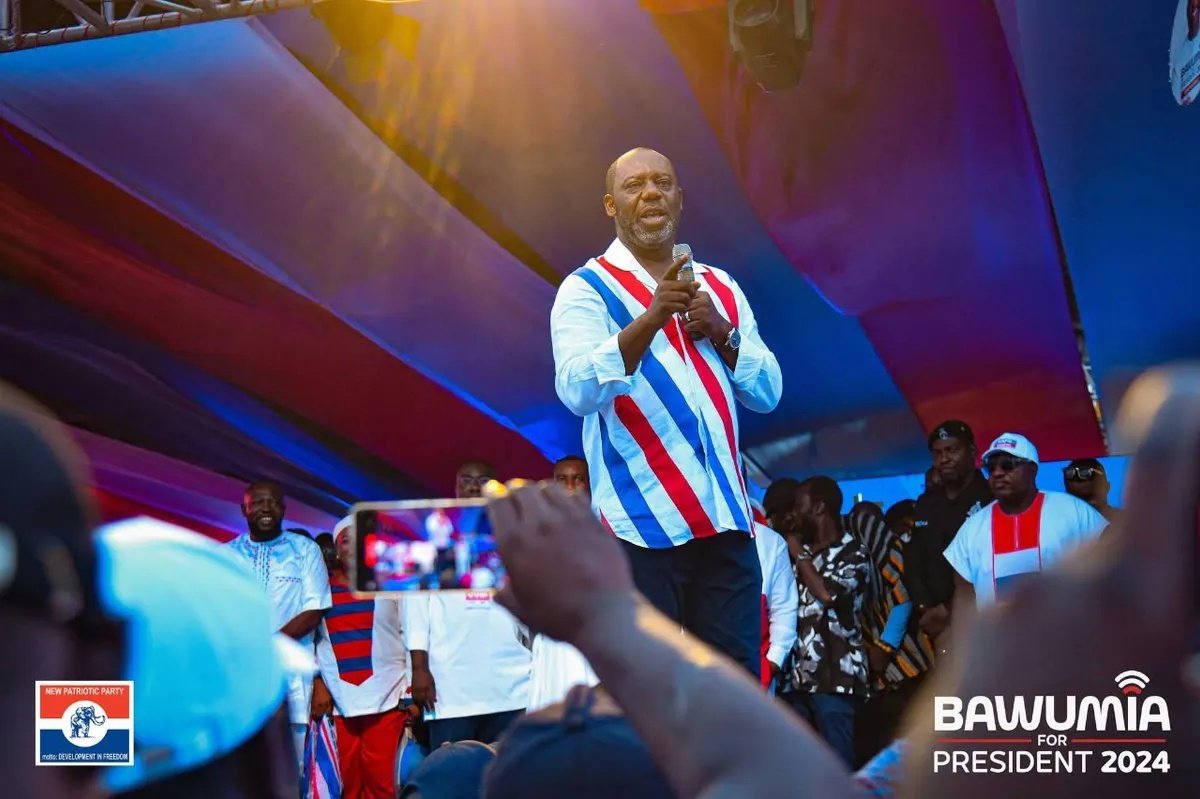
The People’s National Convention (PNC) has urged the New Patriotic Party (NPP) to reconsider a constitutional change that would make its presidential candidate the party’s automatic leader while it is in opposition.
The PNC said the proposed arrangement could undermine the NPP’s internal democracy and reduce the opportunity for new leaders to emerge.
It raised the issue during a solidarity message at the NPP’s National Delegates Conference in Kumasi on Saturday, October 3, 2026. The PNC said it was speaking as a political ally and not seeking to intervene in the NPP’s internal matters.
“Reports have reached us that this conference may consider amending the party’s constitution so that the flagbearer becomes the leader of the party even when the party is in opposition,” the PNC stated.
Delegates were asked to examine the proposal carefully because, in the PNC’s view, the roles of a presidential candidate and a party leader serve different purposes.
“A flagbearer carries the party’s banner in elections; a party leader must build structures, reconcile factions, and hold the party accountable between elections,” the PNC said.
The party warned that placing both responsibilities with one individual could affect how the NPP operates between elections.
“Concentrating both roles in one person risks weakening internal democracy and the space for new leadership to emerge,” it added.
The PNC stressed that its comments were intended to reflect political friendship rather than interference in the NPP’s affairs.
“We say this in the spirit of fraternity, not in interference,” it said.
The issue formed part of a wider set of constitutional amendments considered by NPP delegates at the conference.
At its January 31 conference, the NPP had approved a clause stating that the National Chairman would be the party’s leader “at all material times”. The latest proposal sought to revisit that provision and instead establish the flagbearer as leader whenever the party is in opposition.
Despite the PNC’s warning, NPP delegates approved the amendments making the presidential candidate the leader of the party during periods in opposition.