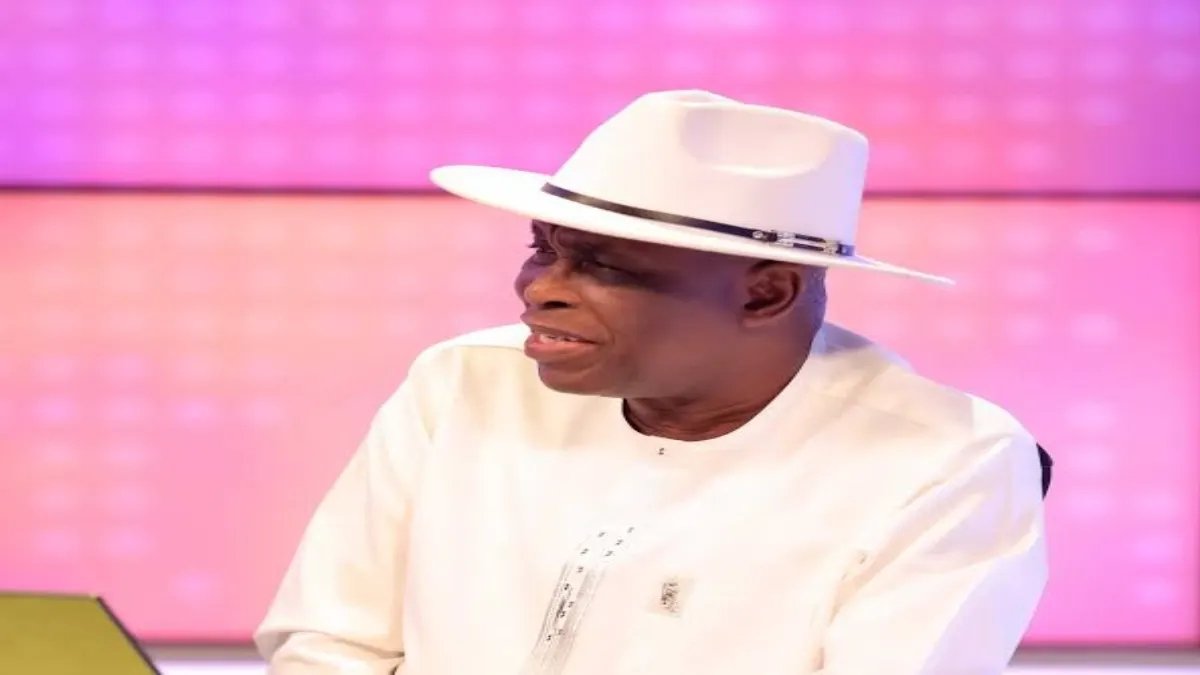
Renowned international relations and security analyst, Dr Vladimir Antwi-Danso, has cautioned that political interference remains a central pillar sustaining the decades-long Bawku chieftaincy conflict, warning that military presence alone will not resolve the crisis.
Speaking in a live interview on Channel One Newsroom, Dr Antwi-Danso described recent government security measures, including heavy deployment of military and police forces, as “stopgap interventions” that fail to tackle the root causes of the violence.
“Military presence, police presence in their numbers will not solve the problem,” he said. “There are several pillars propping up the conflict… It could be history that has not been properly told, intra-community miscommunication, media narratives, but politics stands out.”
He added that “in the Bawku case, politics is one of the greatest beams supporting the conflict,” asserting that without confronting and removing these structural supports, Ghana risks managing symptoms rather than solving the problem.
His comments come amid a new wave of deadly violence in the Upper East Region town of Bawku, prompting the government to impose a strict 2:00 pm to 6:00 am curfew and order the evacuation of students from the troubled area.
The conflict, rooted in chieftaincy tensions between ethnic groups, has persisted for decades despite multiple military interventions and peacebuilding efforts. Dr Antwi-Danso’s remarks echo growing public frustration over the lack of lasting solutions.
He urged the government to take a more comprehensive, transparent, and politically neutral approach to resolving the crisis.
“Until you remove these props one by one for the conflict triangle to fall, you have done nothing,” he warned.
The call adds to mounting pressure on the government to go beyond security responses and engage in inclusive dialogue, historical clarification, and long-term peacebuilding strategies.
As residents continue to live under fear and restrictions, the need for a sustainable resolution to one of Ghana’s most intractable conflicts has never been more urgent.