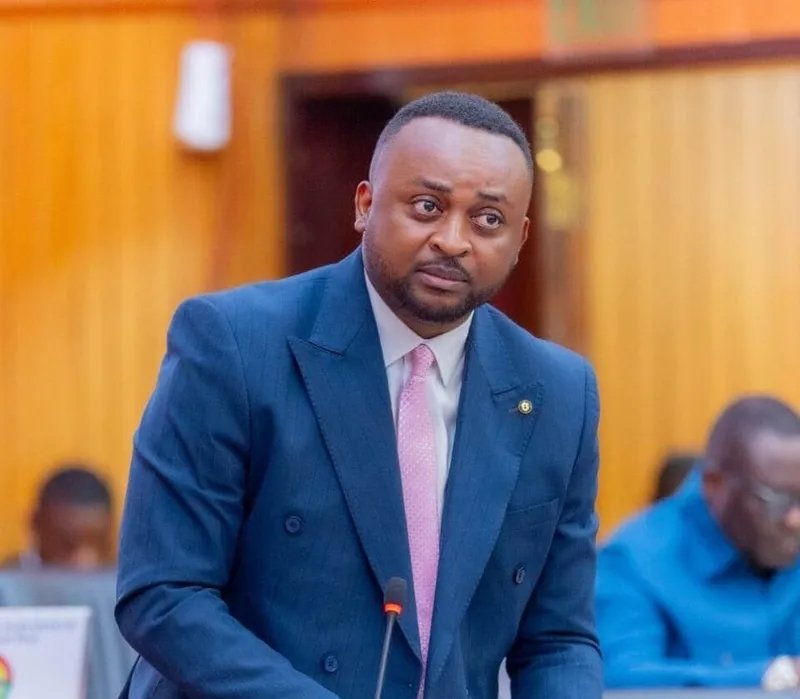
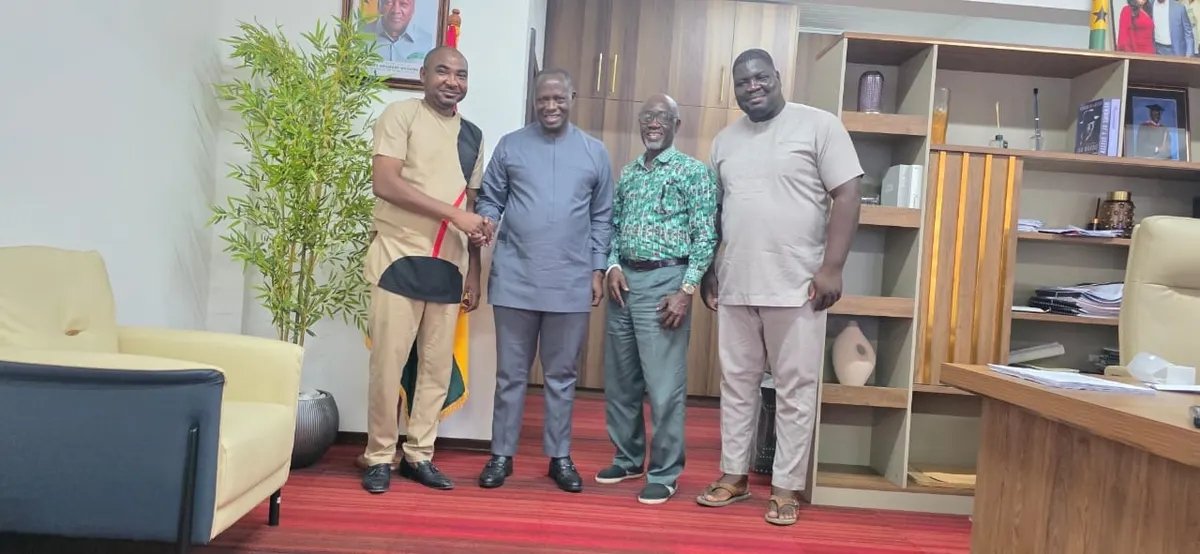
Bank of Ghana Governor Dr Johnson Pandit Asiama says Ghana is committed to maintaining the policy discipline supporting renewed confidence in its economy.
Speaking to investors in Thailand during the 2026 IMF/World Bank Annual Meetings, Dr Asiama outlined the country’s economic progress and the measures being taken to make its recent stability sustainable.
The governor held discussions with institutional investors, brokers and fund managers on the economic outlook, focusing on Ghana’s efforts to strengthen its foundations for investment and long-term growth.
Inflation has declined from 23.8 per cent at the end of 2024 to 5.2 per cent in September 2026. Over the same period, the cumulative reduction in the policy rate has reached 1,400 basis points, bringing it to 14 per cent.
Dr Asiama said the improvement in inflation and interest rates had created more favourable conditions for investment, business planning and economic expansion.
Ghana also received recognition from Moody’s on 9 October, when the agency upgraded its sovereign credit rating from Caa1 to B3 and assigned a stable outlook.
Moody’s linked the upgrade to improved financing conditions, lower borrowing costs and continued fiscal discipline, supported by institutional improvements.
The governor said policymakers understood that investors required consistency and resilience from the economy.
“We recognise that investors need confidence in the consistency of policy and the resilience of the economy. Our focus remains on rebuilding reserves, strengthening institutions and preserving macroeconomic stability,” he said.
He added that the Bank of Ghana was monitoring international developments that could affect the domestic economy before the Monetary Policy Committee’s November decision.
Those factors include movements in the US dollar and gold prices, global financing conditions and tensions in the Middle East.
“Our responsibility is to reinforce Ghana’s progress through credible policy and sustained action, creating the conditions for long-term investment and lasting economic opportunity,” Dr Asiama said.