Bank of Ghana Governor Dr Johnson Pandit Asiama has urged Africa to play an active role in shaping artificial intelligence rather than merely adopting technologies developed elsewhere.
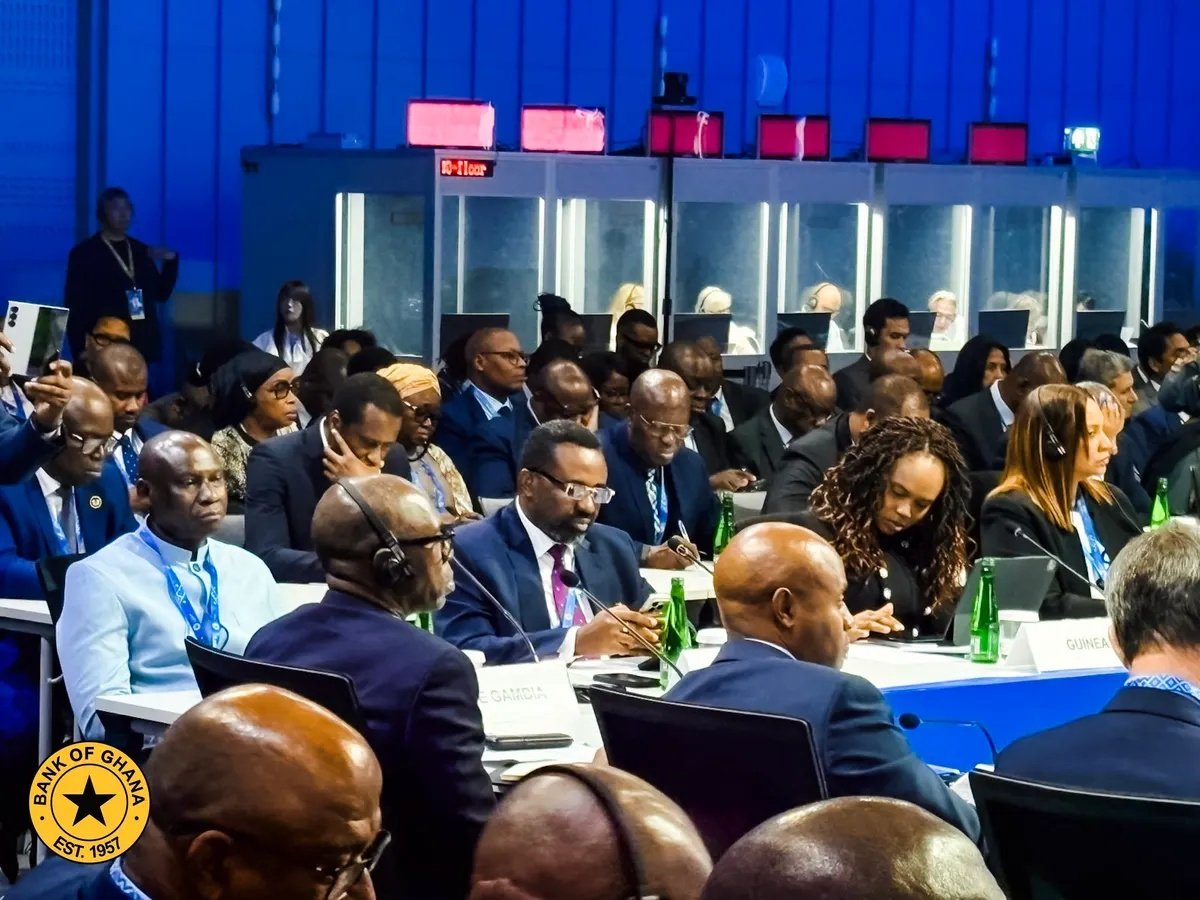
Speaking on behalf of African governors at the 2026 African Caucus Meeting with the IMF Managing Director, Dr Asiama said the continent had made significant advances in digital payments and fintech. However, he warned that weaknesses in regulation, cybersecurity, infrastructure and financing were preventing digital services from being adopted safely and inclusively.
“Gaps in regulation, cybersecurity, infrastructure and financing, however, continue to hold back safe and inclusive adoption,” he said.
Dr Asiama said closing those gaps would require closer international partnerships to strengthen Africa’s ability to govern AI, give the continent greater influence over global digital rules and secure affordable funding for reliable digital infrastructure.
“Bridging these gaps calls for stronger partnerships that build Africa’s capacity to govern AI, gives the continent a louder voice in shaping global digital rules, and mobilises affordable financing for secure digital infrastructure,” he added.
“The goal is for AI to work for Africans, driving resilience, jobs and inclusive growth.”
Asiama tells investors Ghana is making progress
Separately, Dr Asiama told investors in Thailand that Ghana was making substantial economic progress, saying policymakers were committed to maintaining the discipline that had helped rebuild confidence in the economy.
On the sidelines of the 2026 IMF/World Bank Annual Meetings, he met institutional investors, brokers and fund managers to discuss Ghana’s economic outlook and measures intended to make its stability durable.
He said inflation had declined from 23.8 per cent at the end of 2024 to 5.2 per cent in September 2026. Over the same period, the cumulative reduction in the policy rate had reached 1,400 basis points, taking it to 14 per cent.
According to Dr Asiama, those improvements had created a stronger base for investment, business planning and economic growth.
He also pointed to Moody’s decision on 9 October to raise Ghana’s sovereign credit rating from Caa1 to B3, with a stable outlook, as further recognition of the country’s progress.
Moody’s cited improved financing conditions, lower borrowing costs and continued fiscal discipline supported by institutional improvements.
“We recognise that investors need confidence in the consistency of policy and the resilience of the economy. Our focus remains on rebuilding reserves, strengthening institutions and preserving macroeconomic stability,” Dr Asiama said.
He added that Ghana was monitoring international developments ahead of the Monetary Policy Committee’s November decision, including movements in the US dollar and gold prices, financing conditions and tensions in the Middle East.
“Our responsibility is to reinforce Ghana’s progress through credible policy and sustained action, creating the conditions for long-term investment and lasting economic opportunity,” he said.