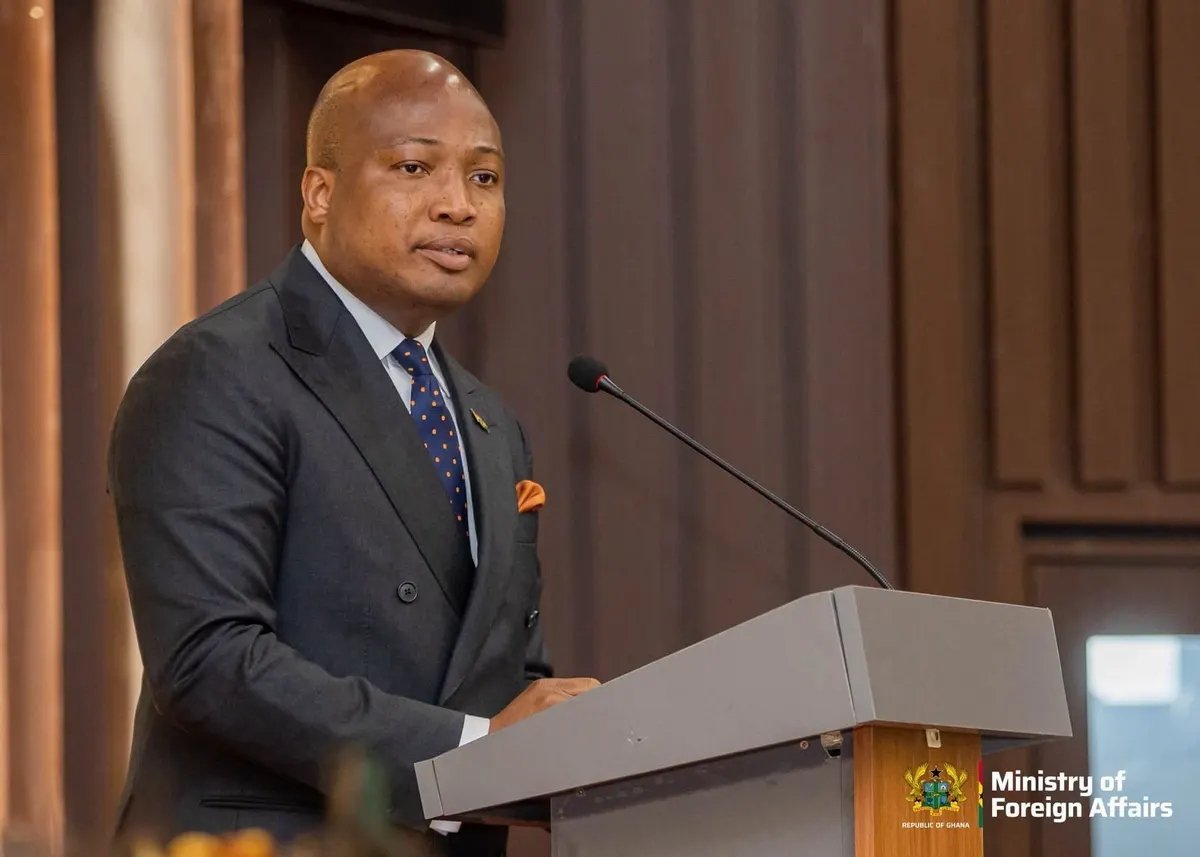
Ghana’s application to join BRICS as a Partner Country will not damage its relations with traditional allies, Foreign Affairs Minister Samuel Okudzeto Ablakwa has said.
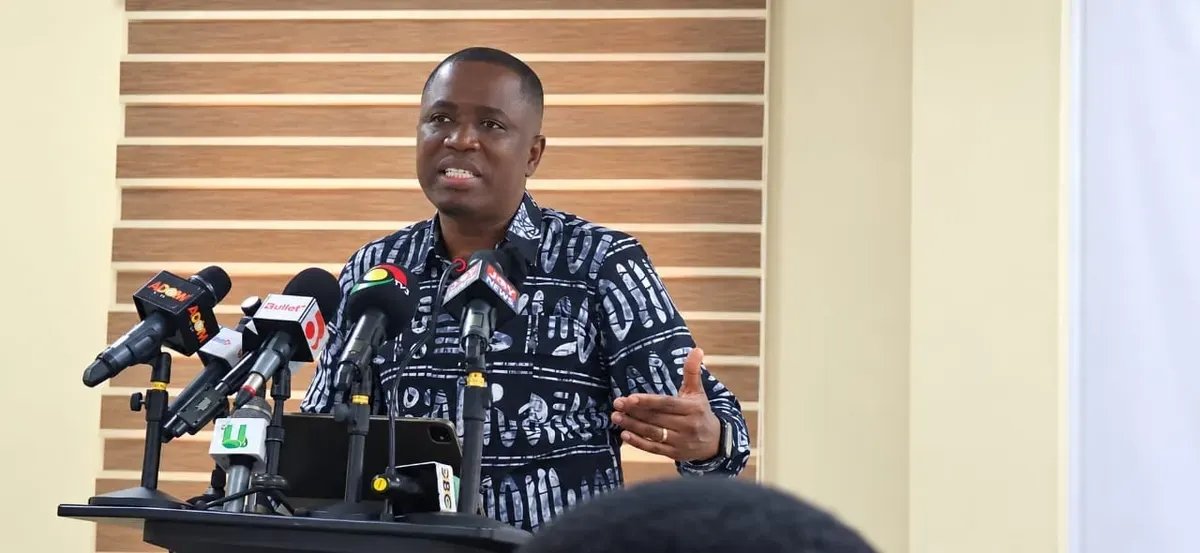
Speaking on TV3’s Saturday morning programme Key Points on 10th October, 2026, Mr Ablakwa clarified an announcement he made last week, saying Ghana intends to seek Partner Country status rather than full membership of the group.
He said Ghana already maintained excellent relations with BRICS members and would be joining “natural allies” in what he described as arguably the world’s largest trading bloc.
The minister said the decision was guided by Ghana’s national interest, as set out in Article 40 of the 1992 Constitution of Ghana.
BRICS currently brings together 11 major emerging markets and developing countries: Brazil, China, Egypt, Ethiopia, India, Indonesia, Iran, Russia, Saudi Arabia, South Africa and United Arab Emirates.
Mr Ablakwa said the grouping offered a platform for consultation and cooperation on contemporary issues of global and regional importance, including global political and economic governance.
He rejected concerns that closer ties with BRICS could affect Ghana’s relationships with traditional partner countries that hold different ideological positions from some members of the bloc.
Instead, he said the move reinforced Ghana’s policy of non-alignment. That approach, he explained, had enabled President Kwame Nkrumah during the Cold War to secure United States support for the construction of the Akosombo Dam while also working with the then Soviet Union (Russia) to launch Africa’s pioneering atomic energy programme, the Ghana Nuclear Reactor Project (GNRP).
Mr Ablakwa also disclosed that Ghana had engaged with European Union Member States before making the BRICS announcement.
He said Ghana had clearly explained the reasons for its decision and its right to diversify its strategic development options. The application, he added, did not mean Ghana intended to disengage from its European partners.
BRICS expansion
BRIC – Brazil, Russia, India and China – was formalised at the first meeting of BRIC Foreign Ministers, held on the sidelines of the United Nations General Assembly (UNGA) in New York in 2006.
The first BRIC Summit took place in Yekaterinburg, Russia, in 2009.
South Africa was admitted when BRIC Foreign Ministers agreed in New York in 2010 to expand the group into BRICS. South Africa subsequently attended the 3rd BRICS Summit in Sanya in 2011.
Egypt, Ethiopia, Iran, Saudi Arabia and UAE became full members of BRICS from January 2024, while Indonesia joined in January 2025.
Belarus, Bolivia, Kazakhstan, Cuba, Malaysia, Nigeria, Thailand, Uganda, Uzbekistan and Vietnam became BRICS Partner Countries in 2025.
If Ghana’s application succeeds, it will join that group of countries as a Partner Country.