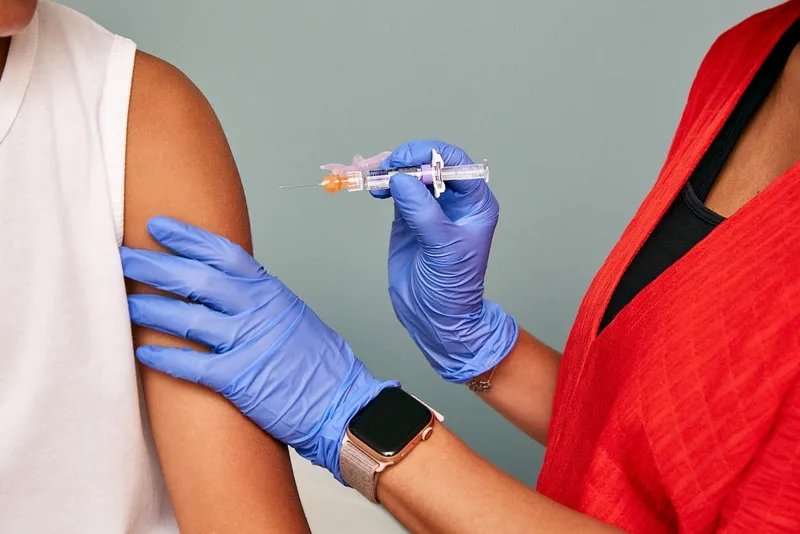
Ghana plans to manufacture its first locally produced vaccine, a Tetanus-Diphtheria shot, by 2027, the National Vaccine Institute (NVI) says.
The target was announced as President John Mahama commissioned new vaccine research laboratories at the Noguchi Memorial Institute for Medical Research in Accra on Wednesday.
NVI chief executive Dr Sodzi Sodzi-Tettey said the country was developing two products: the Tetanus-Diphtheria vaccine and an Anti-Tetanus Serum. He identified them as priorities at the launch of the pharmaceutical manufacturing policy in October.
The products will be developed by Ghanaian companies Atlantic Lifesciences and DEK Vaccines. The NVI estimates the two firms will require at least US$100 million to construct and equip their manufacturing plants. President Mahama named both companies during the commissioning ceremony.
The newly opened mRNA and protein laboratories at Noguchi will operate as national facilities, allowing scientists from across Ghana to use them. Ghana is one of five African countries involved in vaccine research using mRNA technology.
The mRNA platform enables researchers to develop vaccines more quickly by instructing cells to produce specific proteins. In August 2025, President Mahama allocated US$50 million to the NVI to support domestic vaccine manufacturing.
Mahama urged Ghanaians to support clinical research and trials. “Nobody would do the clinical trials for us to develop vaccines in our country,” he said.
He referred to an Ebola vaccine trial that had been planned for the Volta Region but was withdrawn from Ghana after a public scare. The NVI is working with the World Health Organization, with support from the European Union, to strengthen the country’s clinical-trials system.
Under its new economy plan, the government has earmarked US$1 billion for the pharmaceutical sector, including the development of drug and bio-manufacturing hubs.
Ghana is spending US$46 million on vaccines for child immunisation this year. The country aims to finance its own vaccines by 2030, when support from Gavi ends.
Five scientists trained in Brussels and Accra to operate the new laboratory. They came from KCCR in Kumasi, WACCBIP and Noguchi, as well as the University of Health and Allied Sciences, and are expected to transfer their knowledge to other scientists.
The pharmaceutical manufacturing policy includes measures covering local raw materials, research and development, tax exemptions and financing for drug manufacturers. Atlantic Lifesciences has been prequalified through the Africa CDC pooled procurement system and has secured a contract to supply oxytocin across Africa.
A planned pharmaceutical hub is intended to reduce Ghana’s 70 per cent reliance on imported medicines. The NVI is also in discussions with a European partner about using the laboratory’s mRNA technology to research cancer vaccines.
The 2027 objective follows Ghana’s first biological product, a Snake Venom Anti-Serum, produced by the NVI and Atlantic Lifesciences in May 2025. The serum is intended for an estimated 10,000 snakebite victims each year, and procurement of the Ghana-made product is now under way.