The Ghana Broadcasting Corporation (GBC) is expected to become a modern broadcaster within 24 months, with the government planning to use its land and other assets to attract private investment.
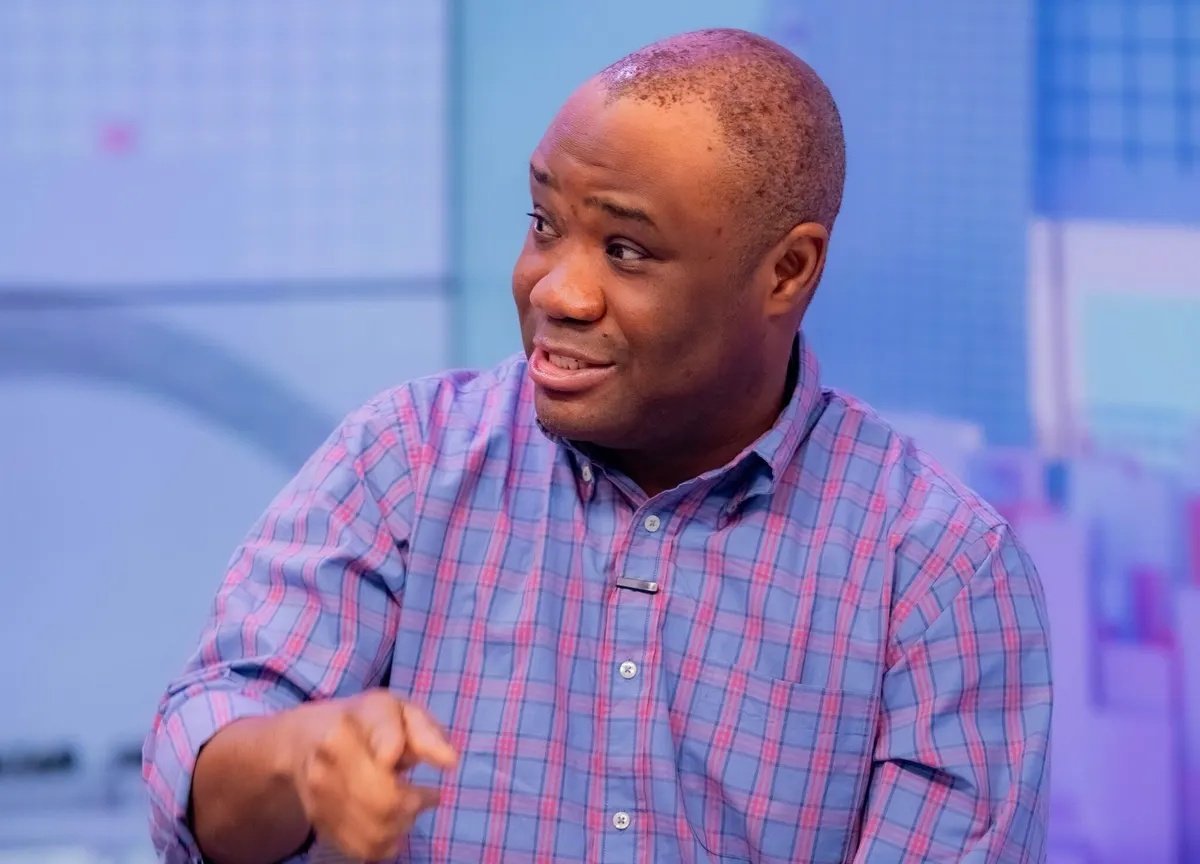
Felix Kwakye-Ofosu, the Minister for Government Communications, announced the timetable at GBC’s 2026 Stakeholder Conference in Accra on Thursday. The event, held at the Coconut Grove Regency Hotel, also saw the launch of the corporation’s five-year strategic plan.
Kwakye-Ofosu said the government was unable to finance the redevelopment directly because of economic constraints. He added that GBC’s most recent capital support from the state had come 25 years ago, when it received a studio and outside-broadcast vans.
Under the new approach, selected parcels of GBC’s prime land across Ghana will be offered as the basis for partnerships with investors. The minister said the funds generated would go directly to GBC rather than to the government.
That revenue will be used to provide modern studios and equipment for the corporation’s television, radio and online operations.
The plan for GBC is the first major initiative in a broader strategy for state-owned media. It was developed in collaboration with the GBC board, the National Media Commission and the State Interests and Governance Authority (SIGA).
The minister also revealed that about GH¢30 million in historic electricity debt owed by GBC had been settled. The engagement involved the Electricity Company of Ghana, the Energy Minister and the Chief of Staff.
GBC will now be expected to pay its electricity bills on time to prevent a return to arrears. The corporation broadcasts in 27 Ghanaian languages through 17 stations, while its public-service responsibilities include providing live coverage of meetings held by Metropolitan, Municipal and District Assemblies (MMDAs).
According to GBC’s website, the corporation is headed by Director-General Professor Amin Alhassan. Its managers were still completing the new strategy when President John Mahama visited GBC’s headquarters in January.
On sport, Kwakye-Ofosu praised GBC for leading a 60-station consortium that secured the broadcast rights for the 2026 World Cup. He described the joint bid as a model for future rights acquisitions.
Cabinet has instructed that a GBC-led consortium should manage future bids for major sporting competitions and international events. The government has also approved equipment to support the broadcaster’s modernisation programme.
National Media Commission Executive Secretary George Sarpong urged broadcasters to demonstrate that their programmes serve the public interest. He referred to the United States, where stations must show how they meet community needs when their licences are considered for renewal.
Sarpong questioned how many Ghanaian radio and television stations would retain their licences if the same standard were applied in Ghana, while commending GBC for its commitment to public-service broadcasting.
He also paid tribute to past and current board members, managers and staff for sustaining the corporation. The commission has previously warned television stations about unwholesome content.
The conference brought together stakeholders to discuss GBC’s future direction. The corporation’s new strategy will guide its work over the next five years.