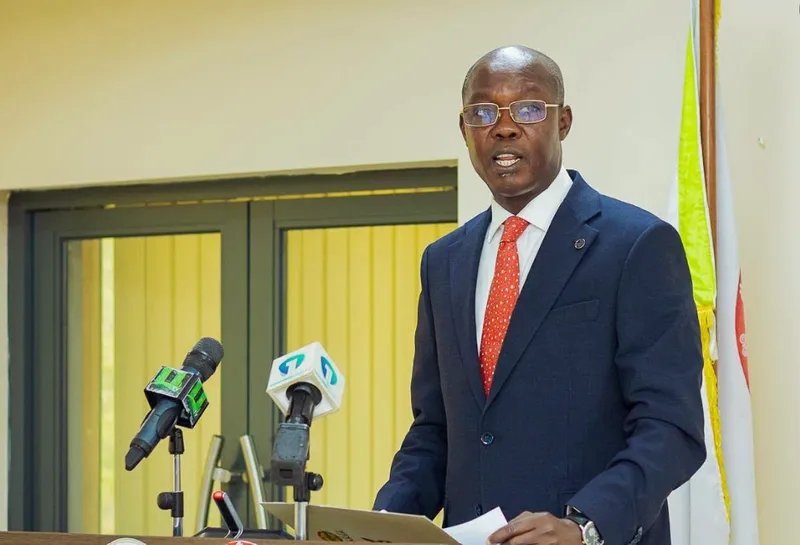
The 2027 Budget must establish a stronger connection between public spending and measurable development outcomes, the Chief Analyst for Monitoring and Evaluation at the National Development Planning Commission (NDPC), Mr. Daniel Amofa, has said.
Speaking at a post-budget workshop for Members of Parliament, Mr. Amofa said clearer links between budgetary allocations and their expected results were needed to improve the impact of government expenditure.
He identified the preservation of macroeconomic stability and fiscal discipline as key strengths of the 2027 Budget. He also pointed to higher capital expenditure for productive investment, as well as allocations for agriculture, energy and minerals.
Education and health are the sectors receiving the largest allocations, he said, while funding has also increased for the District Assemblies Common Fund (DACF) and accountability institutions.
However, Mr. Amofa called for better systems to measure development outcomes and the effect of public spending on employment. He said this would help ensure that resources allocated through the budget produced meaningful results.
The workshop also heard calls for greater investment in agriculture to support Ghana’s plans to transform the sector under the 2027 Budget.
Prof. Edward Ebo Onumah, an Associate Professor at the University of Ghana, said investment was needed in agricultural infrastructure, processing and financing. He was also speaking at the Parliamentary Post-Budget Workshop for Members of Parliament in Accra.
He said Ghana needed to move beyond exporting raw agricultural products and give greater priority to local processing. In his view, this would help create jobs, raise farmers’ incomes and strengthen the wider economy.
Prof. Onumah identified rice production, poultry, aquaculture, oil palm, vegetable production and cocoa processing among the agricultural priorities set out in the 2027 Budget.
He cautioned, however, that meeting those targets would depend on effective implementation, improved access to finance and sufficient support for smallholder farmers.
He also urged investment in storage facilities, irrigation, modern processing plants and climate-resilient farming. Such measures, he said, were needed to address existing challenges and ensure that the proposed transformation of agriculture delivered tangible results.