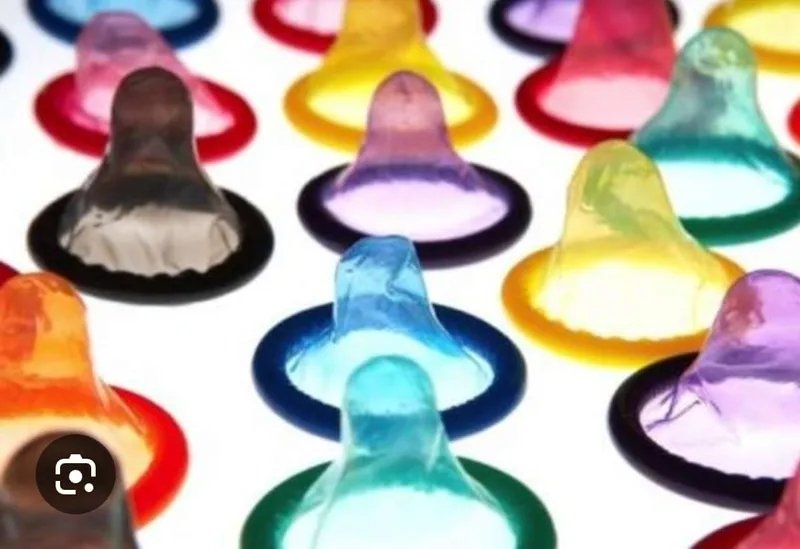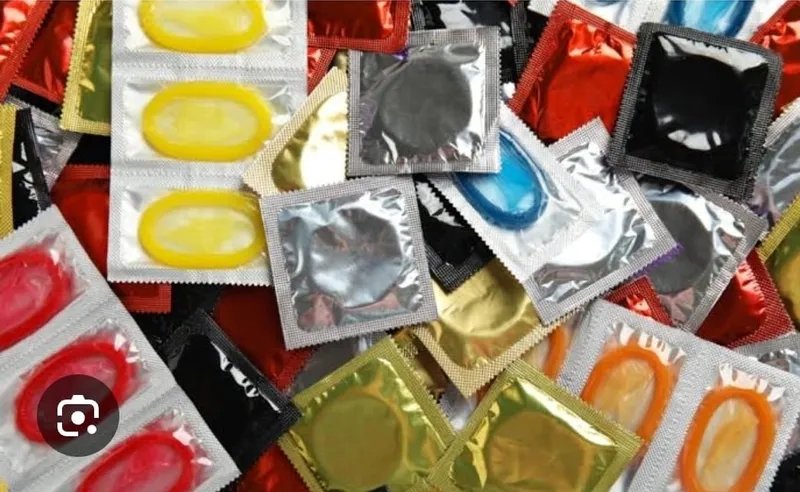
The National AIDS/STI Control Programme (NACP) has received a new consignment of condoms to replenish dwindling national stocks, but supplies have not yet been sent to health facilities because of mandatory regulatory checks.
The Food and Drugs Authority (FDA) is assessing the condoms for quality and safety before they can be distributed for public use. NACP officials say national stocks are currently below the required level, raising concerns over access to condoms, which help prevent HIV, other sexually transmitted infections and unintended pregnancies.
NACP Programme Manager Dr Emmanuel A. A. Teviu said the consignment had arrived in Ghana and was now undergoing the FDA’s approval procedures.
He said the NACP was working with the regulator to complete the process as quickly as possible, but stressed that quality assurance would not be compromised.
Dr Teviu did not provide a specific date for the release of the condoms, saying the FDA had to complete its procedures first. He said he was optimistic that the checks would be concluded soon, allowing supplies to become more widely available through health facilities.
> “What we have is below what the national stock level should be. But the good news is that we have received the consignment, and it’s now going through the FDA processes because before we send it out to the users, to the facilities, the FDA has to certify that they are of good quality and are safe to use. And so we are very sure that in the shortest possible time, the FDA will finish their processes, and then we can make it more available to all the facilities,” he said.
The supply gap comes as Ghana continues its efforts to reduce new HIV infections. Sustained access to affordable condoms remains an important part of those efforts, with condoms regarded as one of the most accessible and cost-effective ways to reduce the sexual transmission of HIV and other STIs.
They also provide protection against unintended pregnancies, making availability at public health facilities important for people who depend on free or subsidised supplies.
Checks by the NACP show that some facilities are already experiencing shortages because of the temporary disruption in supply.
The arrival of the new consignment provides some relief, but distribution will depend on how quickly the FDA completes its quality and safety assessments. Until then, questions remain about the availability of condoms across the country and the effect of the shortfall on users who rely on public health services.