Ghana must increase domestic funding for science and innovation or risk undermining its long-term technological development, the administrator of the Ghana National Research Fund has warned.
Prof. Abigail Opoku Mensah said dependence on overseas grants left the country vulnerable to changes in donor priorities and called for greater investment from Ghana’s own resources.
“Over-reliance on foreign grants to sustain a country’s innovation comes with inherent vulnerabilities and limitations,” she said.
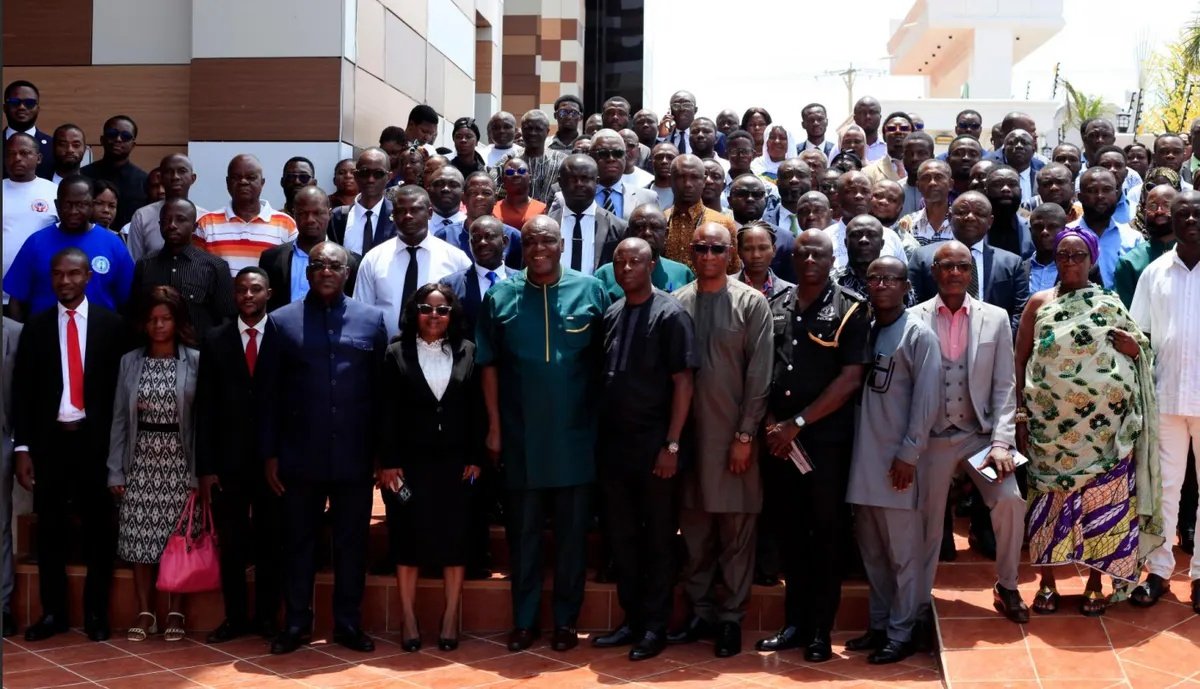
She was speaking at the opening of the 2026 UK Meet Fellows programme, which trains journalists to report on science, emerging technologies and innovation.
International development partners had made an important contribution to research in Ghana, Prof. Opoku Mensah said, but she argued that a sustainable research system could not be built primarily on external support.
African Union member states have committed to spending at least one per cent of gross domestic product (GDP) on research and development. Ghana, like many other African countries, remains below that target.
The warning comes as the country develops the Ghana National Research Fund, created under the Ghana National Research Fund Act, 2020 (Act 1056).
Fund begins to take shape
President John Dramani Mahama formally launched the fund on June 16, 2025, and announced GH¢100 million for its operations. The government had already provided GH¢15 million in initial seed funding.
Prof. Opoku Mensah said legislation by itself would not guarantee financial support for researchers.
“A law alone does not automatically translate into a fund,” she said.
Work is under way to establish the fund’s administrative structures and to engage the Ministry of Finance on the statutory quarterly disbursements from national revenue provided for under Act 1056.
The fund is intended to finance a five-year research and innovation strategy covering 2026 to 2030. Its priorities include food systems, health innovation and biodiversity, climate and environmental sustainability, industrial transformation, and governance and social systems.
Two multilateral funding calls have already been launched through co-funded arrangements, according to the administrator. Two more national calls are expected to open before the end of 2026.
The Ministry of Environment, Science and Technology has also stressed the importance of Ghana’s research institutions in supporting national development.
In a statement delivered on behalf of the ministry’s Director, Kwamena Quaison, a ministry representative highlighted the work of organisations under its oversight, including the Council for Scientific and Industrial Research (CSIR) and the Ghana Atomic Energy Commission.
CSIR has 13 research institutes covering fields including agriculture, food production, water resources, plant genetics, industrial development and science policy. Universities and technical universities also contribute to research and innovation.
The ministry said work by these institutions could address national challenges, improve livelihoods and support economic growth. Agricultural research could raise food production, while advances in healthcare and environmental management could improve public services and help create more sustainable communities.
It added that continued investment would be needed to give researchers the resources to develop and apply those solutions.
Reliable funding will be essential if Ghana is to sustain research projects, create new technologies and turn scientific work into practical benefits for agriculture, healthcare, industry and other sectors.