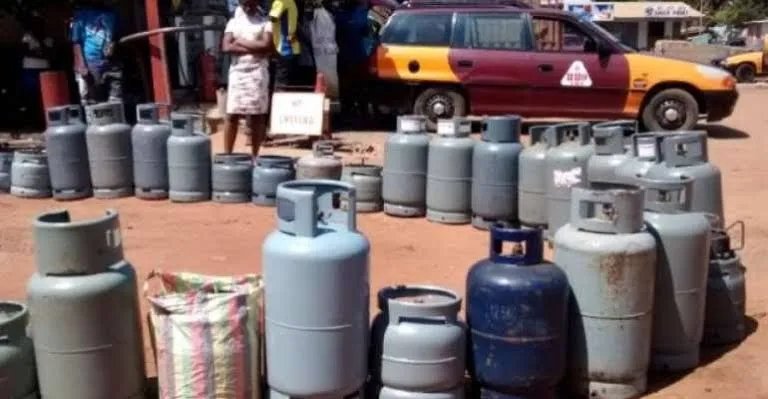
The Executive Director of the Centre for Environmental Management and Sustainable Energy (CEMSE), Benjamin Nsiah, has urged the government to suspend selected taxes, levies or margins on Liquefied Petroleum Gas (LPG) ahead of a projected 18.5 per cent price increase from October 16, 2026.
He said the expected rise could make LPG unaffordable for many households, reduce consumption and threaten Ghana’s target of reaching 50 per cent household LPG penetration by 2030.
Mr Nsiah said cost was one of the main factors determining whether households adopted and continued using LPG. Price increases, he added, often led to lower consumption, particularly among families with limited incomes.
Data from the 2021 Population and Housing Census and the Ghana Demographic and Health Survey showed that household LPG use had fallen from about 37 per cent to 28 per cent.
Mr Nsiah partly attributed that decline to higher fuel prices following the outbreak of the Russia-Ukraine conflict. He warned that another increase could further slow progress towards the country’s household LPG target.
“Whenever the price of LPG escalates, its consumption declines,” he said.
The CEMSE executive director also warned that more expensive LPG could lead households to return to traditional cooking fuels, including firewood and charcoal.
Such a shift would expose households to harmful smoke and increase pressure on the environment, he said. The continued use of traditional fuels could therefore undermine both public health and efforts to achieve sustainable development.
Mr Nsiah called on the government to examine the components that make up the LPG price and consider temporary relief measures, similar to interventions introduced for petrol and diesel.
“We think that LPG, just like the white products of diesel or petrol, must also have certain interventions,” he said.
He said reducing the cost of LPG would help protect household incomes while encouraging cleaner cooking practices. It would also support Ghana’s broader objective of expanding household access to the fuel by 2030.
The call comes as consumers face the prospect of an 18.5 per cent increase, which CEMSE believes could weaken demand if no measures are taken to cushion households.
By Eben Agyekum-Boateng, 3Business