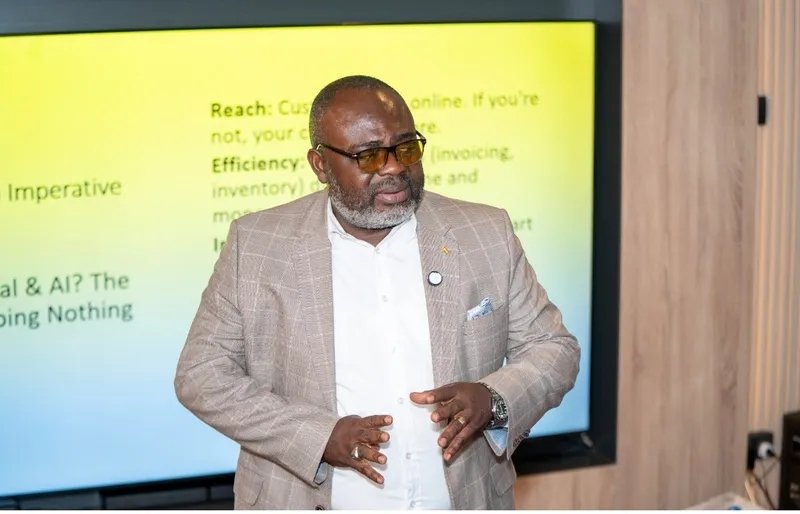
Ghana risks becoming a consumer market for major BRICS economies while its natural resources face further exploitation unless the country adopts a clear industrial strategy, International Relations Analyst and Development Consultant Dr Elvis Botah has warned.
He said closer ties with BRICS could widen Ghana’s trade and investment opportunities, but the country could gain far less than industrial powers including China, India, Brazil and Russia.
“For me, we would be shooting ourselves in the foot. We would be expanding our partners geopolitically and opening our doors for more exploitation of our primary commodities,” he cautioned.
Dr Botah’s comments follow Foreign Affairs Minister Samuel Okudzeto Ablakwa’s clarification that Ghana is seeking partner-country status with BRICS rather than immediate full membership.
The government believes stronger relations with the group could attract investment, support industrialisation and reduce Ghana’s dependence on a limited number of economic partners.
However, Dr Botah said Ghana’s continued reliance on exporting raw materials could deepen existing imbalances. He warned that more powerful economies would be better placed to process those resources, manufacture finished goods and capture the greater share of their value.
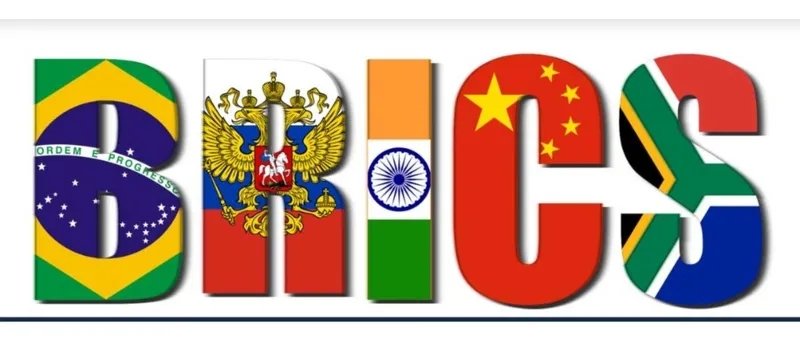
“You are going to be competing with Brazil, Russia, South Africa, India and, of course, China. Now, Ghana automatically becomes an underdog in this kind of relationship,” he stated.
He also questioned whether the government had established a clear negotiating position before pursuing the proposed partnership, including the specific benefits it would seek from BRICS.
“So what do you go to the table with? What is our negotiation strategy? And what are our major points of negotiation?” he asked.
Dr Botah pointed to the increasing presence of Chinese-operated retail outlets in Ghana as an indication of how foreign companies could intensify competition for local traders, including inside Ghana’s own domestic market.
He said that without a commitment to local processing, manufacturing and technology transfer, closer links with BRICS could leave Ghana importing more goods produced by the grouping’s major economies.
“If joining BRICS does not come with a clear, attainable, smart objective of how we would transform raw primary commodities like cocoa, gold and the other mineral resources we have into industrial value-addition commodities right on the soils of Ghana… then we are merely becoming another market,” he stressed.
The analyst called on the government to produce an industrial blueprint setting measurable goals for value addition, technology transfer and employment creation over the next five to ten years.
He said Ghana’s success within any BRICS arrangement would depend on building a stronger domestic economy and securing agreements that protect the country’s economic interests, rather than simply adding to its diplomatic partnerships.