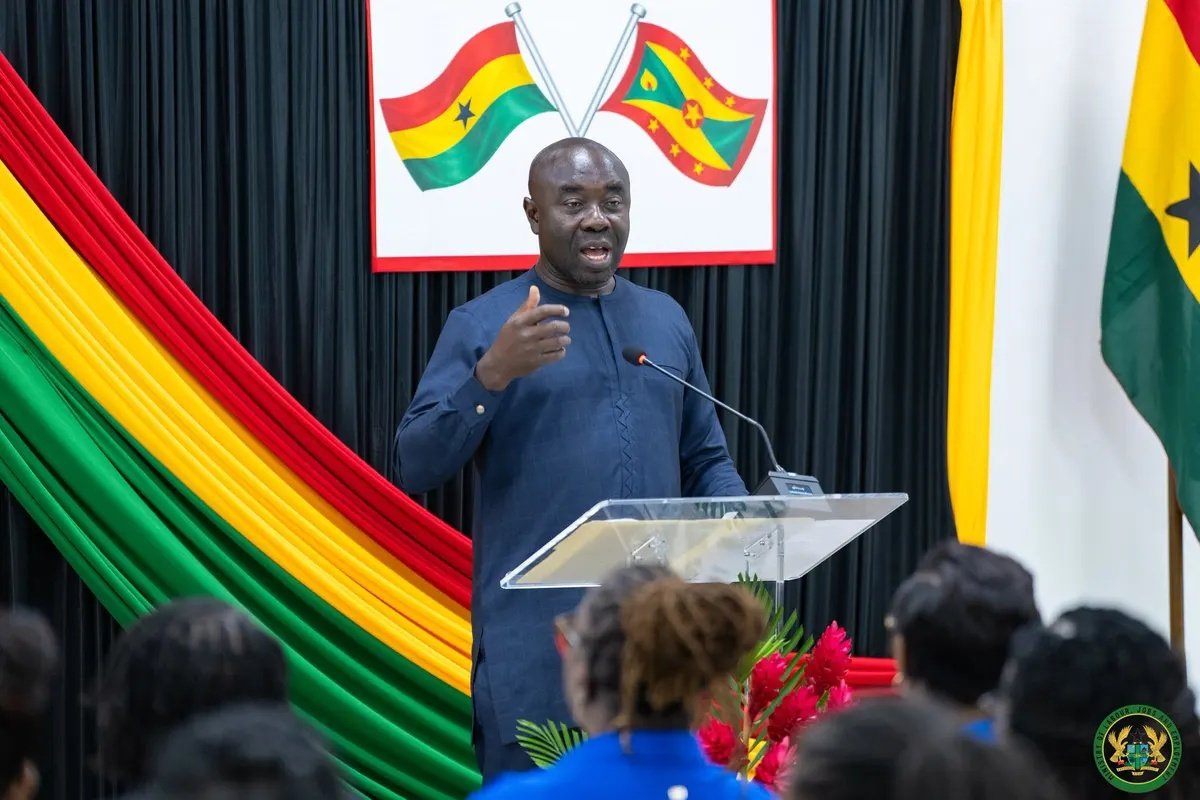
Ghana will continue to prioritise dialogue and diplomatic engagement with Sahelian countries as it works to support a peaceful return to constitutional and democratic governance, Deputy Minister of Foreign Affairs James Gyakye Quayson has said.
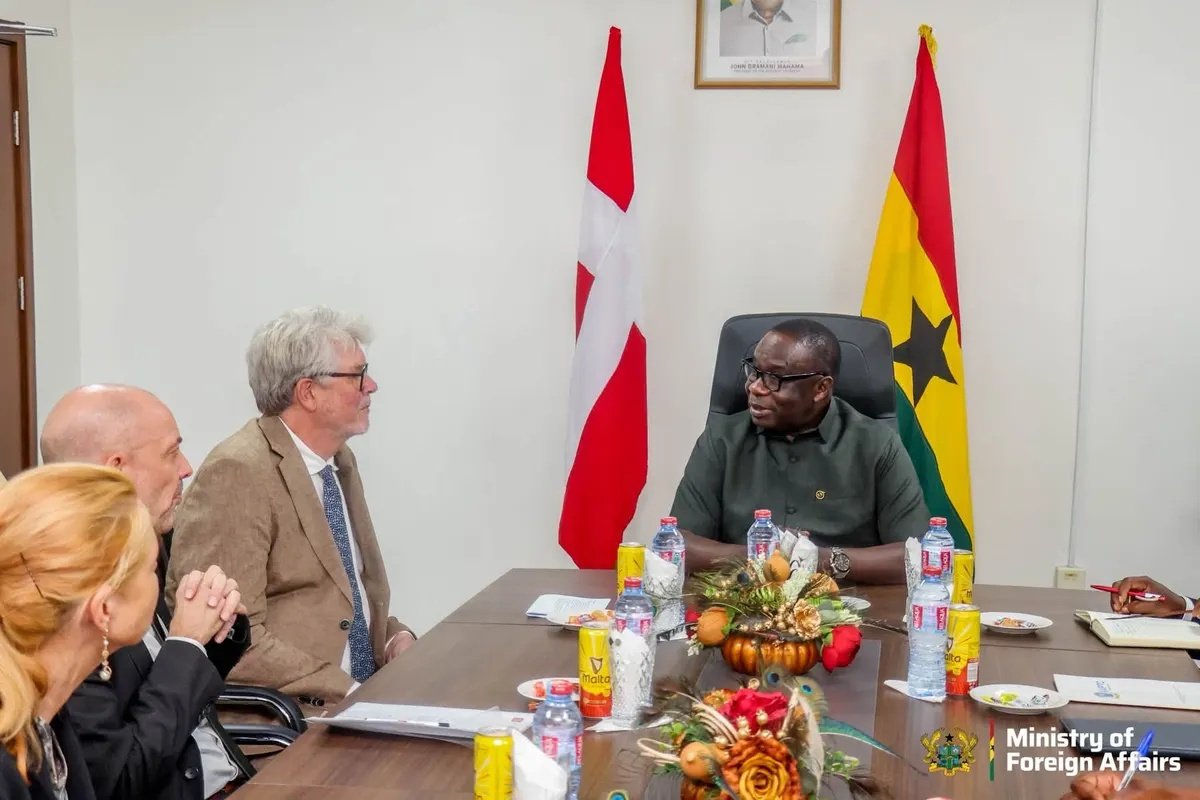
Mr Quayson said Ghana remained engaged with countries across the region, including through visits by its envoys. He was speaking during a courtesy call by the Foreign Policy Committee of the Danish Parliament at the Ministry of Foreign Affairs.
The Danish delegation praised Ghana’s contribution to international peacekeeping and asked about the involvement of young people in the country’s democratic processes.
Mr Quayson pointed to a Model United Nations session held for schoolchildren at the Ministry on 27th October 2026 to mark the 81st Anniversary of the United Nations. He said initiatives of that kind gave pupils practical insight into the workings of the United Nations, multilateral diplomacy, international affairs and political systems.
He also highlighted Ghana’s efforts to strengthen national cohesion and reduce ethnic divisions.
The Deputy Minister said Ghana remained committed to developing bilateral partnerships that could deliver mutual benefits in trade, investment, technology transfer and industrial development. The Danish delegation said it wanted to deepen relations with Ghana and thanked Mr Quayson for the warm welcome and productive discussions.
Mr Quayson said he was pleased to receive the delegation and referred to the long historical links between Ghana and Denmark, which existed before Ghana gained independence.
He identified Christiansborg Castle as an important symbol of the countries’ shared history and welcomed Denmark’s interest in helping preserve the facility.
He said the Government of Ghana was adopting a new approach to economic relations, focused on trade, investment, industrialisation and job creation.
The Deputy Minister stressed the importance of reducing Ghana’s reliance on imported finished goods by expanding domestic production and manufacturing. He said this was particularly important for creating jobs for Ghana’s predominantly youthful population and improving food security.
Ghana, he added, was willing to work with friendly countries such as Denmark through genuine partnerships aimed at achieving mutual prosperity.
Mr Quayson cited Denmark’s expertise in Agriculture and Technology, along with its experience in renewable energy, especially wind and solar power, as areas from which Ghana could benefit. He said Ghana was interested in partnerships that supported technology transfer and added value to its raw materials.
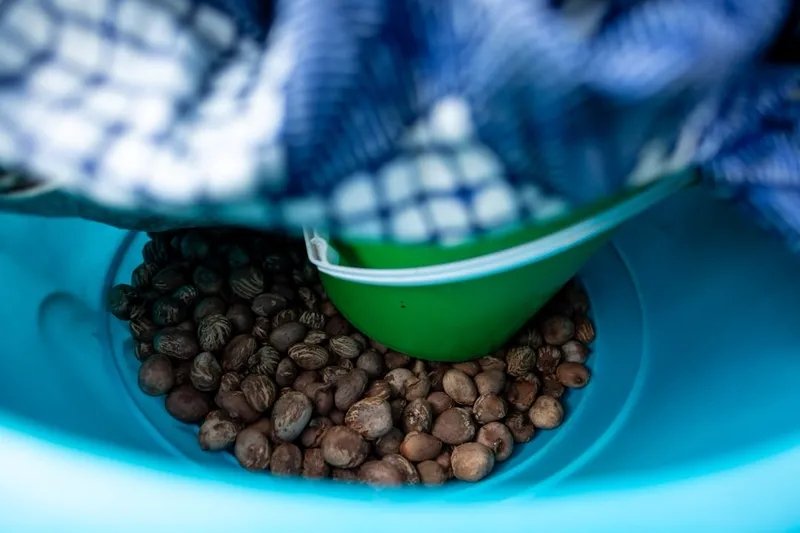
Using cocoa as an example, he said processing raw cocoa beans in Ghana into chocolate and other finished products could generate employment, strengthen domestic industries and lower the cost of transporting beans to Western countries for processing.
He also repeated Ghana’s aim of diversifying its economy through manufacturing and industrial development. The African Continental Free Trade Area (AfCFTA), with a market of approximately 1.4 billion people, represented significant opportunities, he said.
Mr Karsten Hønge, Chairperson of the Foreign Policy Committee of the Danish Parliament and leader of the delegation, thanked the Deputy Minister for the meeting. Discussions also covered the partnership between Ghana and the European Union, its priority areas and developments in the Sahel region.
Mr Quayson acknowledged Ghana’s multilateral engagement with the European Union, particularly in trade and investment, but urged Ghana and Denmark to strengthen their bilateral relationship in the prevailing geopolitical environment.