Ghana’s Parliament has urged state institutions to use arrest and detention powers with restraint and respect for constitutional rights following the continued detention of Manhyia South MP Nana Agyei Baffour Awuah by the Economic and Organized Crime Office (EOCO).
The MP voluntarily reported to EOCO after reports that the High Court had issued a warrant for his arrest. Parliament said it was “gravely concerned” that he remained in custody and said the circumstances raised questions about his rights, parliamentary privilege and independence, and the proper use of investigative powers.
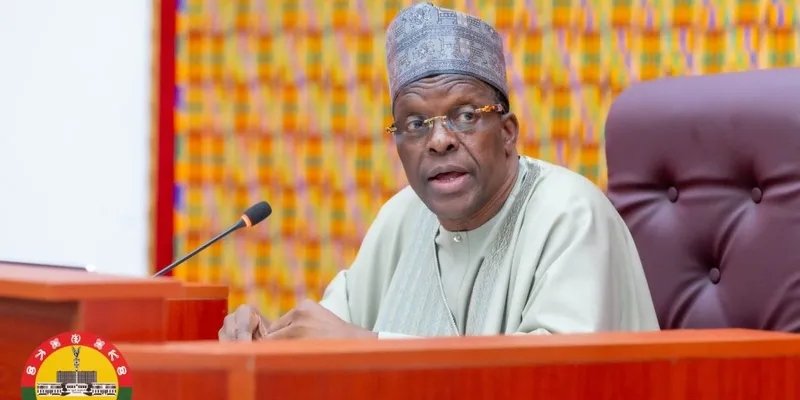
Speaker of Parliament Rt Hon Alban Sumana Kingsford Bagbin said a political opponent must not be treated as a political enemy.
Parliament also warned that previous misconduct could not be used to defend similar conduct by a current administration.
“Ghana cannot build a stronger democracy by perpetuating a cycle in which questionable conduct is defended merely because similar conduct occurred under a previous administration. This cycle must end,” it said in a statement.
The statement stressed that Members of Parliament were not above the law and that suspected offences must be dealt with through the legal process.
“Where a Member is reasonably suspected of having committed an offence, the law must take its course,” Parliament said.
It added, however, that MPs did not act only in a personal capacity and that legal safeguards governed their interactions with other state institutions. Those safeguards, it said, were intended to protect Parliament’s independence and the mandate of the people it represents, rather than shield MPs from accountability.
Parliament said the Speaker had been told that the High Court directed EOCO to enforce the arrest warrant, but that he had not seen the terms of the order and would not interpret it.
It said that after Nana Agyei Baffour Awuah had presented himself voluntarily and submitted to EOCO’s procedures, any continued detention should have “a clear and demonstrable basis in law and necessity”.
The institution questioned whether keeping the MP in custody was necessary or proportionate, particularly given its understanding that he had co-operated with the process.
“The power to arrest or detain is a serious coercive power of the State,” the statement said. “It must always be exercised lawfully, reasonably and with due regard to the constitutional rights and dignity of every person.”
Parliament added that once voluntary attendance had secured the person’s presence, detention should not become routine or punitive. If the warrant or court order required the MP to appear before the High Court, it said, reasonable efforts should have been made to bring him before the court at the earliest lawful opportunity.
The statement noted that concerns over the arrest, detention or prosecution of sitting MPs were not new, with previous cases dating back to the second Parliament of the Fourth Republic.
Parliament said it would review the existing constitutional and statutory framework and consider legislation, where necessary, to balance accountability, due process and the rule of law with its independence and effective operation.
It called for Nana Agyei Baffour Awuah’s case to be handled in accordance with the Constitution, the law and all applicable court orders, without unnecessary interference with Parliament’s constitutional work.