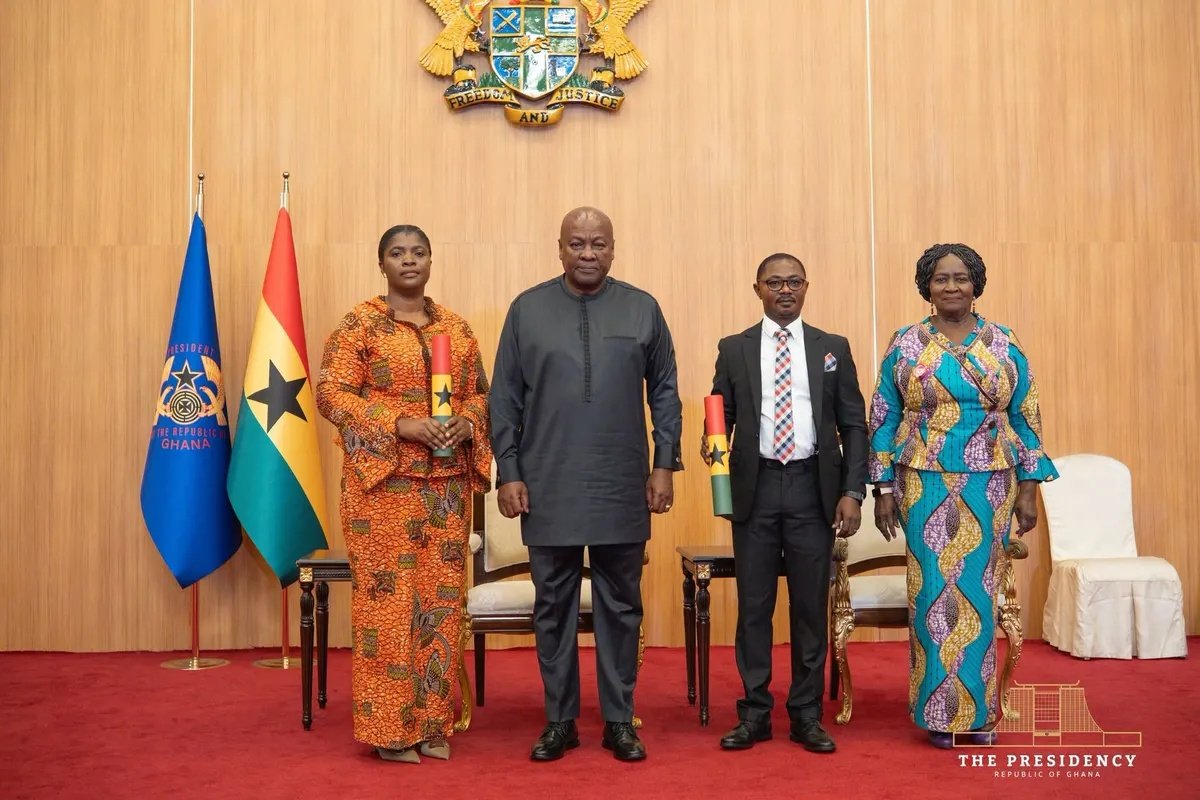
Lawyer and public-affairs commentator Austin Kwabena Brako-Powers has accused President John Dramani Mahama of becoming a “walking contradiction” following the appointment of Emelia Afi Agbenyo as Deputy Chairperson of the Electoral Commission (EC).
Mr Brako-Powers said the decision appeared to conflict with Mr Mahama’s earlier criticism of appointing known political activists to the electoral body, where independence and impartiality are essential.
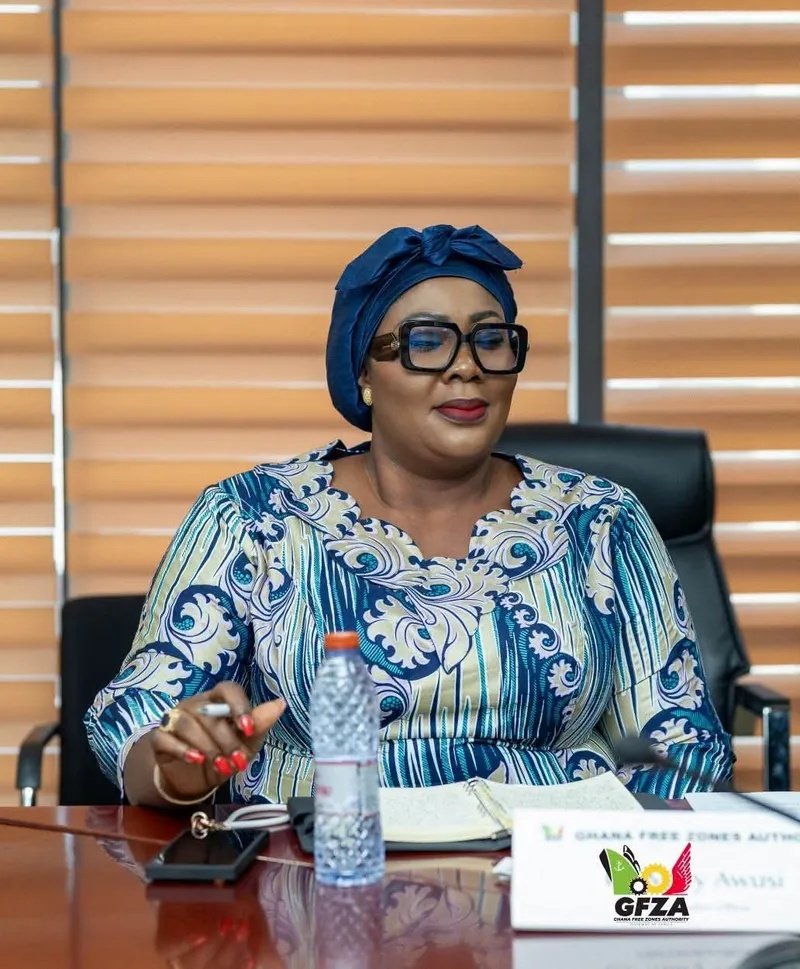
President Mahama appointed Mrs Agbenyo and Dr Joseph Kwaku Asamoah as Deputy Chairpersons of the EC. Both were sworn in on Monday, October 12, 2026, replacing Dr Bossman Eric Asare, who resigned, and Samuel Tettey, who retired.
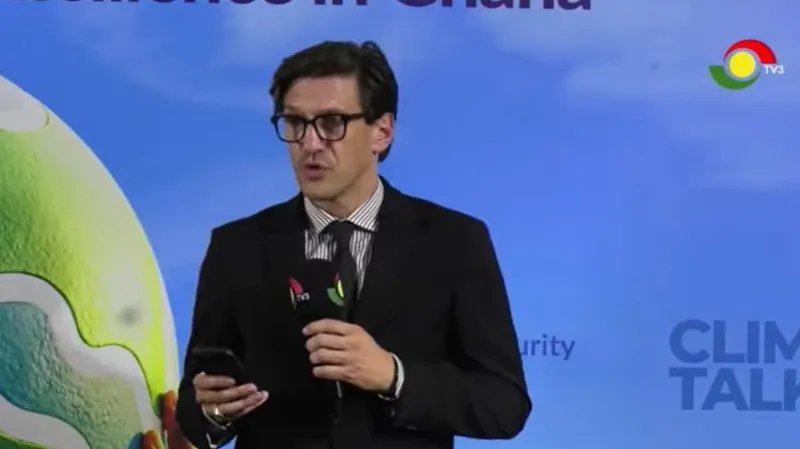
Speaking on TV3’s Big Issues on Tuesday, October 13, 2026, Mr Brako-Powers said his concern about Mrs Agbenyo’s appointment was partly linked to social media posts he said she had previously made against the then governing New Patriotic Party (NPP).
He argued that the public conduct of people being considered for independent constitutional offices should be examined closely before appointments are made.
“The issue is not about political opinions or whether someone has a political preference. The question is whether a person whose public conduct demonstrates strong partisan allegiance should be appointed to an institution that must be seen to operate independently of political parties,” he said.
Mahama’s previous criticism
In March 2023, Mr Mahama, then the opposition leader, criticised President Nana Addo Dankwa Akufo-Addo over the appointment of what he described as known party activists to the EC.
During a public lecture at the University of Professional Studies, Accra (UPSA), he proposed an amendment to Article 43(2) of the 1992 Constitution. His proposal would have required parliamentary approval for new Electoral Commission appointments.
Mr Mahama repeated his concerns in 2024, questioning how people who had worked as party communicators or served as TESCON patrons could be expected to act neutrally as Electoral Commissioners.
The EC later responded that appointments made during Mr Mahama’s own presidency had also prompted questions over perceived political affiliations.
Mr Brako-Powers said the same standards used to assess political opponents should apply to an administration led by the National Democratic Congress (NDC). A change of government, he argued, should not mean a change in the principles used to judge candidates for independent constitutional positions.
His criticism comes despite President Mahama’s instruction to the two newly appointed deputies to carry out their responsibilities without favouring any political party or candidate.
At the swearing-in ceremony, the President said he did not expect preferential treatment for himself, his government or his party. He also urged the commissioners to safeguard the integrity of the electoral process.
Mr Brako-Powers’s comments have raised wider questions about how members of independent constitutional bodies are selected, including the importance of political neutrality, professional competence, public confidence and transparent scrutiny. He said the key issue was whether Ghana could strengthen trust in its electoral institutions by ensuring appointments reflected the independence those bodies are expected to uphold.