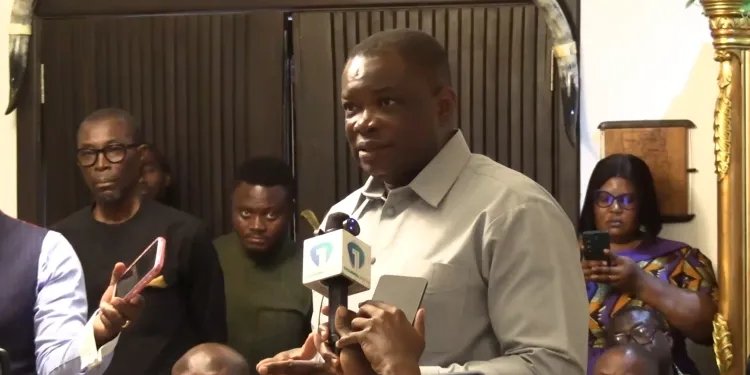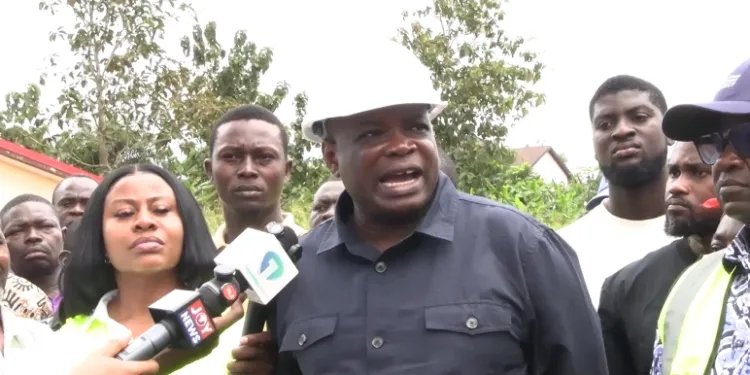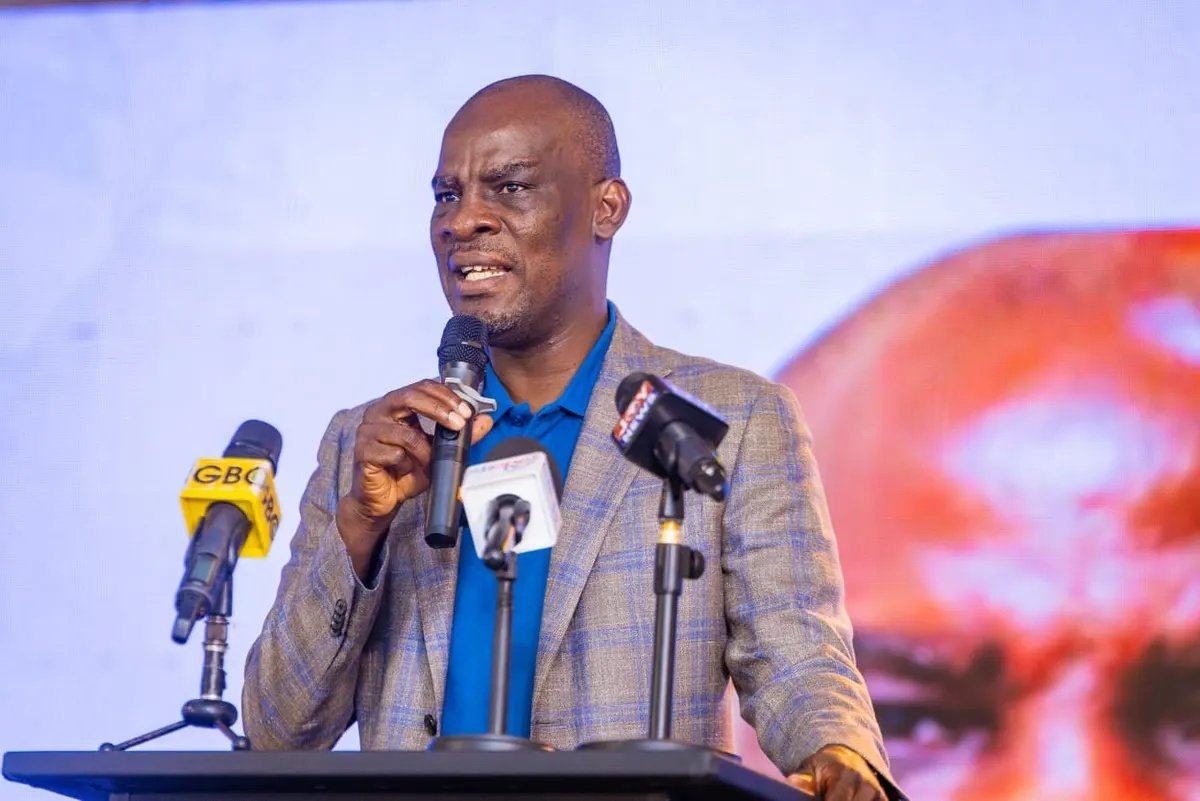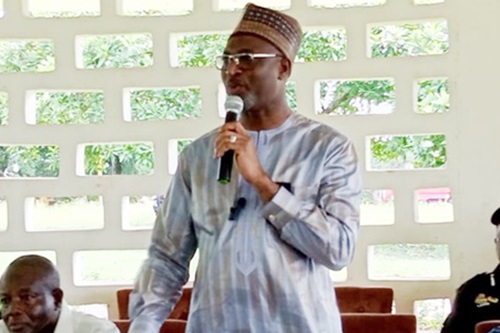
Ghana’s Interior Minister, Mohammed Muntaka Mubarak, has called on religious leaders to take a frontline role in combating drug abuse, particularly among the youth in Tamale.
Speaking during a three-day working tour of the Northern Region on Thursday, Alhaji Mubarak described the growing prevalence of drug misuse as a “looming threat” to the region’s future, and urged faith leaders to use their pulpits to raise awareness and discourage the practice.
“Tamale, a city celebrated for its cultural vibrancy and industrious youth, cannot afford to let this menace erode our values or destroy our future,” he told a gathering of Christian and Muslim leaders. “As religious leaders, your influence is invaluable, preach against it.”
The minister’s comments come in the wake of a recent BBC investigation that spotlighted Tamale as an emerging hotspot for illegal opioid use, particularly among idle youth.
Alhaji Mubarak said the government was committed to confronting the issue, but insisted that sustained community efforts were needed.
The minister’s visit aimed to strengthen partnerships between the Interior Ministry and local stakeholders in promoting peace, development, and security. He praised the moral authority of religious leaders and urged them to complement government initiatives with grassroots outreach.
“Churches and mosques can do more than offer prayers, they can organise skills training, mentorship, and counselling programmes to engage the youth constructively,” he added.
He also stressed the importance of rehabilitation services and called for enhanced support for law enforcement to curb the supply and distribution of illicit drugs.
In response, religious figures welcomed the initiative and expressed readiness to contribute.
Rev. Fr Dr Wilfred A. Agana of the Catholic Diocese praised the ministry’s inclusive approach. “We are always ready to partner with the ministry to address disturbing issues, particularly in the Northern Region,” he said.
Chairman of the Northern Regional Muslim Council, Sheikh Alhassan Abukari Issah, echoed the sentiment. “Our mosques will stand firm in this campaign. The youth are our future, and we must protect them,” he said.
As Ghana grapples with the social and health implications of drug abuse, the government hopes that closer cooperation between state institutions and religious communities can provide a path toward healing and prevention.