Fewer than 80 veterinary surgeons are serving Ghana’s population of more than 33 million, the Ghana Veterinary Medical Association (GVMA) says, as it calls on the government to begin a large-scale recruitment drive.
The association is also urging the government to fast-track the Animal Health Bill, which would replace the Diseases of Animals Act, 1961 (Act 83). The GVMA says the existing legislation is outdated and no longer provides an adequate framework for the country’s animal health needs.
Its demands are linked to the government’s 24-Hour Economy policy and the poultry and livestock expansion planned under the Feed Ghana agenda. The government has set aside GH¢245m in the 2027 budget for its Nkoko Nkitinkiti poultry programme.
The proposals were contained in a communique issued on Monday, following the GVMA’s 52nd annual general meeting in Ho, in the Volta Region, held from 28 to 30 October.
The association said a resilient 24-hour economy “rests on a strong veterinary service foundation”.
Under the proposed legislation, Ghana would have a modern legal basis for enforcing biosecurity measures and setting professional standards for veterinary surgeons. The GVMA also said the law should provide for tele-veterinary services and enable authorities to respond more quickly to animal disease outbreaks.
The association said recruitment should extend beyond veterinary surgeons. It called for more veterinary nurses, laboratory technicians, technologists and animal health officers to strengthen disease surveillance, meat inspection and animal care in rural communities.
According to the GVMA, filling vacant posts at district level would help reduce the loss of professionals through migration and limit farmers’ dependence on unqualified practitioners.
The need for greater support has been highlighted in the Upper East Region, where a veterinary officer in Bongo district appealed for funding for vaccines this month as rabies deaths increased. A veterinarian warned in September that rabies is fatal in every case once symptoms appear.
To encourage young graduates to establish practices outside the main urban centres, the association wants soft loans and hire-purchase arrangements for vehicles. It said the support should be available to veterinary professionals working in both the public service and private practice.
The GVMA is also seeking functional veterinary departments and animal clinics in the six new regions, as well as in districts it considers under-served.
It has called on the Local Government and Agriculture ministries to prevent veterinary land and facilities from being encroached on, rezoned or sold without authorisation.
The association wants the Veterinary Services Department (VSD), which operates under the Ministry of Food and Agriculture, to retain 60 per cent of the revenue it generates. The money would be used for district logistics, vaccine cold storage and vehicles.
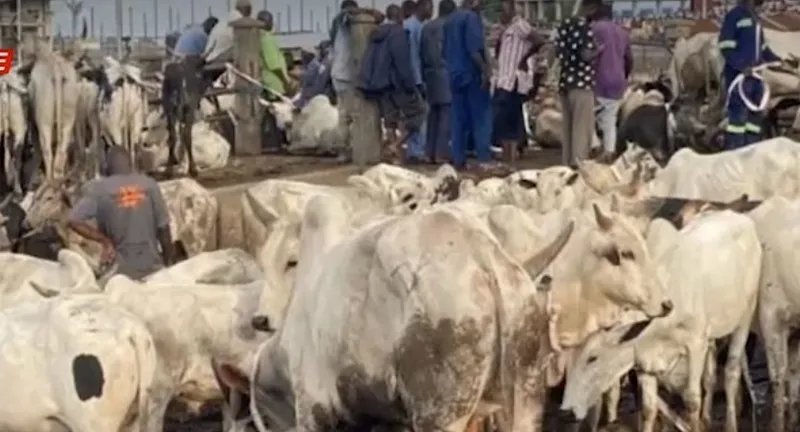
The VSD ordered temporary livestock markets to close after the Islamic festival in May.
The GVMA is additionally calling for artificial intelligence tools to forecast cross-border disease outbreaks, including African swine fever and bird flu, alongside a national livestock traceability system.
The communique was signed by GVMA president Dr Joseph Kofi Abuh and secretary Nana Dr Samuel Asumah. The association said it was ready to work with the government to develop a modern animal health system.