Ghana’s public health technical officers have warned that the dry season could increase the risk of yellow fever and cerebrospinal meningitis (CSM), calling for greater vigilance, stronger disease surveillance and improved support for frontline health workers.
The Ghana Association of Public Health Technical Officers (GAPHTO) said changing weather conditions could contribute to the spread of both diseases. The association also urged authorities to maintain vaccination efforts and ensure adequate logistics for teams working in affected communities.
The warning was contained in a statement issued this week and signed by GAPHTO national president Joseph Owusu-Asante and general secretary Daniel Ike Adinkrah. It follows the Ministry of Health’s declaration of a yellow fever outbreak in the Upper West Region on October 9.
The Ghana Health Service (GHS) said on November 1 that the outbreak had been curtailed after four confirmed cases. However, it added that investigations were continuing into whether some deaths in the affected communities had been caused by yellow fever.
GAPHTO commended residents of Sissala East, Sissala West and Wa West for participating in a vaccination campaign held from October 14 to 18. It said people should remain alert while laboratory confirmations are awaited.
The association said rising temperatures could lead to more people sleeping outdoors without protection. Because the mosquitoes that transmit yellow fever mainly bite during the day, it warned that using a bed net alone would not provide sufficient protection.
It advised people to wear long-sleeved clothing, apply mosquito repellent, sleep under insecticide-treated nets and remove standing water from containers and old tyres.
Anyone experiencing sudden fever, headache, muscle or back pain, nausea, vomiting or weakness should report to a health facility immediately, GAPHTO said. It warned that yellow fever symptoms can be confused with malaria and advised people not to self-medicate.
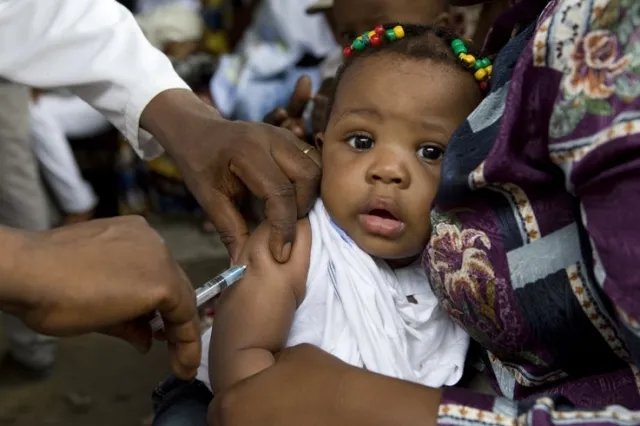
GAPHTO described the yellow fever vaccine as safe and effective, and encouraged all eligible people in the affected districts to receive it. Under the GHS childhood immunisation schedule, the routine yellow fever dose is given at nine months, followed by a Men A vaccine at 18 months.
On October 22, GHS Director-General Dr Samuel Kaba Akoriyea said the campaign vaccine was free and that 225,446 people had been vaccinated.
Meningitis precautions
GAPHTO also called on communities and travellers in the meningitis belt to avoid crowded areas, maintain good respiratory hygiene and seek medical attention promptly if they develop a fever, severe headache or stiff neck. The Ministry of Health and the GHS issued the same advice on January 14.
Health authorities have said the dry and dusty season increases the risk of meningitis. By February 18, the GHS had confirmed 11 deaths.
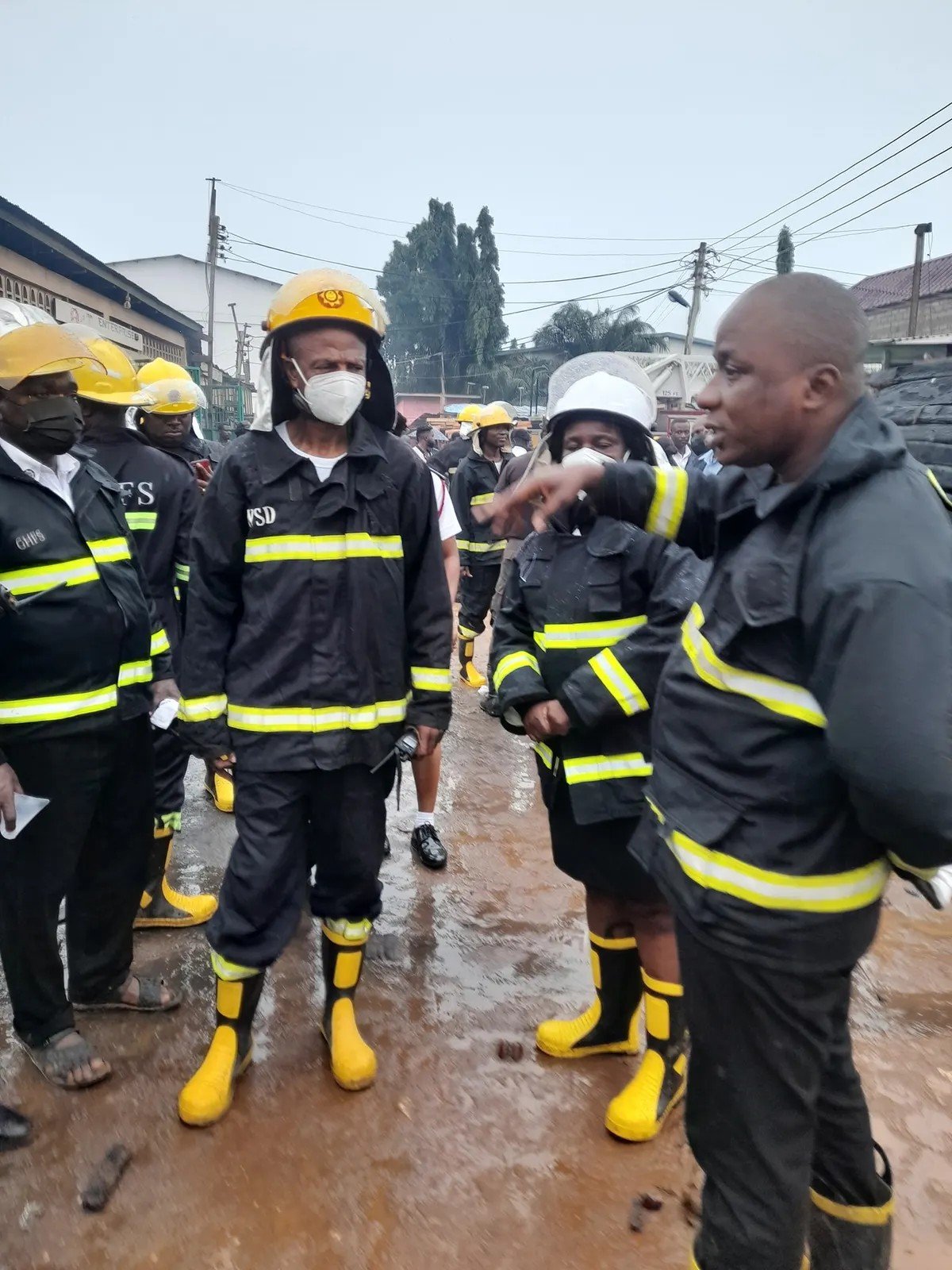
GAPHTO urged disease control officers to intensify the search for cases. It also appealed to the government and development partners to provide district teams with stronger laboratory capacity, fuel, motorbikes, protective equipment and allowances.
The association further called for injured health workers to be guaranteed medical treatment, insurance cover and compensation.