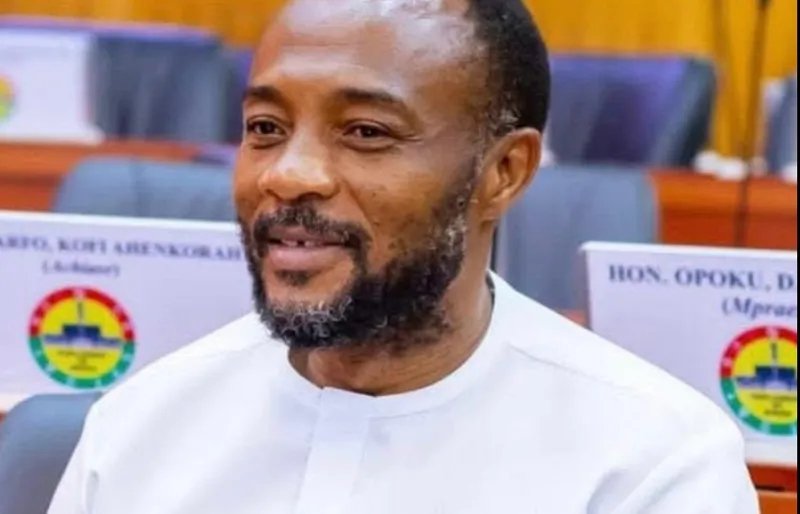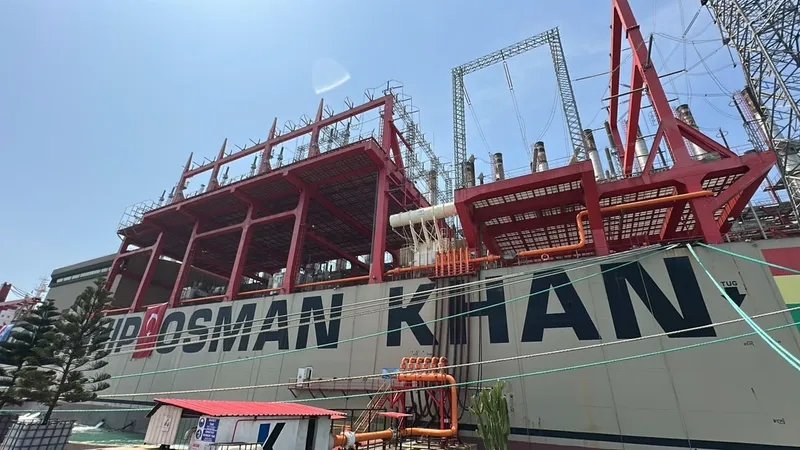
Ghana will withdraw from emergency power generation by 2030, Finance Minister Dr Cassiel Ato Forson told MPs as he presented the 2027 Budget on Thursday, November 12.
The government plans to replace the temporary plants with facilities it will build and own, including a 1,450-megawatt thermal plant at Kafodzidzi-Abrobeano in the Central Region.
A 600MW solar plant, supported by 2,000 megawatt-hours of battery storage, is also planned.
“We will end our dependence on costly emergency power by 2030,” Dr Forson told the House during the energy section of a Budget whose headline measures include no new taxes.
Construction of the thermal facility is due to begin next month. The first 600MW is expected to be available by December 2028, with the remaining 850MW scheduled for completion by December 2030.
The 2027 Budget Statement does not explain how the project fits with the 1,200MW state-owned gas plant announced by President John Dramani Mahama in September. Elsewhere, the document refers to “the 1,200 MW thermal power plant”, which is expected to be supported by additional gas from the OCTP fields.
Ghana Thermal Power Limited is heading the Kafodzidzi-Abrobeano project. It is expected to require about 150 million standard cubic feet of additional gas each day from the Sankofa and Jubilee fields.
Cutting the cost of power
Ghana’s energy sector recorded a shortfall of about US$1.4 billion in 2025, while independent power producers and fuel suppliers were owed around US$1.7 billion in arrears.
Dr Forson said the planned generating capacity, improvements to the national grid and more efficient distribution would remove the US$1.4 billion annual burden currently met by taxpayers.
The government also aims to reduce the cost of producing electricity from about 16 US cents per kilowatt-hour to 8 cents or less.
The Budget sets aside GH¢13 billion to address energy-sector payment shortfalls in 2027. Medium-term projections show a further GH¢7.8 billion allocation in 2028, followed by no provision for 2029 or 2030.
Between 2027 and 2030, the government will invest US$500 million in the transmission network. GRIDCo will reinforce north-south transmission lines and connect new power stations with the areas where electricity is consumed.
Around 2 million prepaid meters are due to be distributed to reduce losses in the distribution system. Private companies are also expected to participate in distribution under performance-based arrangements by the end of 2027.
The energy programme includes US$200 million for preparations for nuclear power through a 24-month readiness programme running from January 2027 to December 2028.
Details still unavailable
The Budget does not identify the emergency plants, state how much electricity they currently produce or specify when their contracts expire.
It also gives no cost for either the thermal or solar projects, and does not provide a location or completion date for the solar plant.