The Ghana Maritime Authority has begun revising the country’s official nautical charts to show the 12-nautical-mile zone reserved for canoe fishers, following a request from the Fisheries Commission.
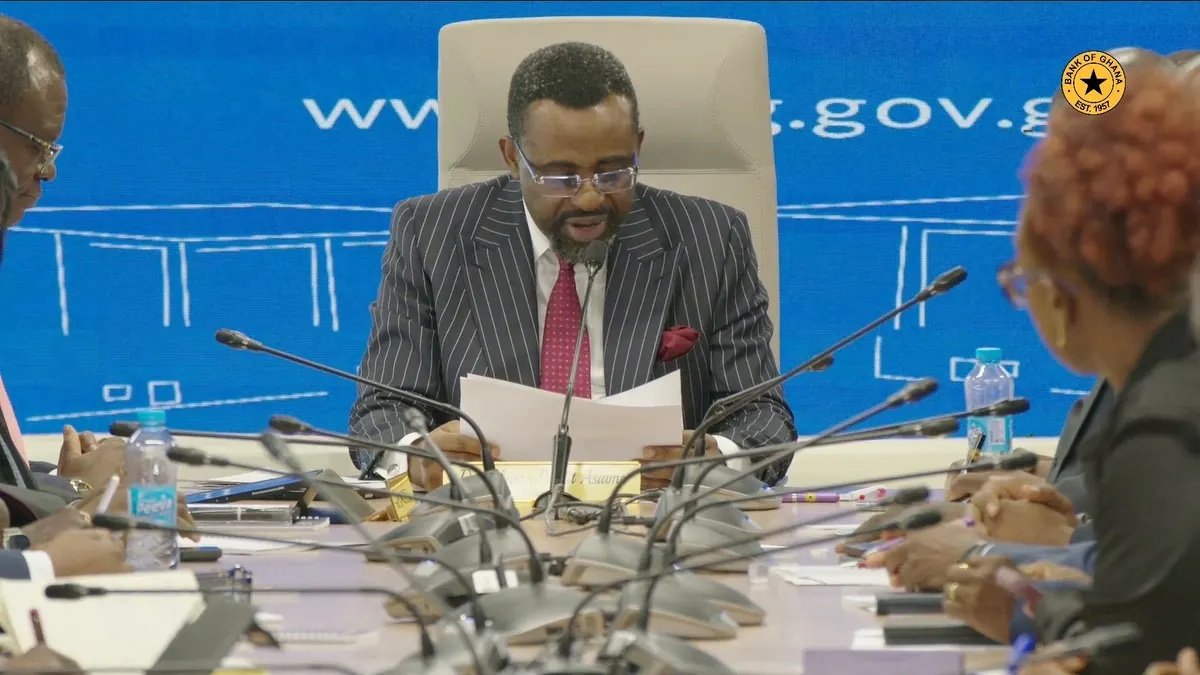
The move was announced after a multi-stakeholder meeting organised by the authority with support from Oceana Ghana. Regulators, security agencies, trawler operators, canoe owners and fish processors attended the dialogue, which focused on the remaining measures needed before enforcement can begin.
Once the revised charts are formally published, all users of Ghana’s maritime waters will be expected to observe the marked boundaries. The charts will also give enforcement officers an official reference when industrial vessels are found operating inside the protected area.
The process forms part of Oceana Ghana’s Make The EEZ Real campaign, which is aimed at helping state institutions turn the legal protections for fishing communities into effective safeguards at sea.
The Ghana Maritime Authority said the legal declaration of the zone was not enough on its own. It said technical and administrative work still had to be completed, while stronger co-operation between the agencies responsible for monitoring Ghana’s waters was also required.
The zone was established under the Fisheries and Aquaculture Act (Act 1146). In Gazette Notification No. 414, issued on 29 December 2025, the fisheries minister designated all waters within 12 nautical miles of the coast – approximately 22 kilometres – as an exclusion zone.
Section 40 of the Act prohibits industrial vessels, large semi-industrial vessels, canoe support vessels and towing gear from entering the area. The zone is reserved for canoes, semi-industrial vessels and recreational fishing boats using equipment approved by the Fisheries Commission.
The restriction is intended to keep larger commercial vessels away from near-shore breeding and nursery grounds, helping depleted fish stocks recover. It is also designed to reduce fatal collisions between trawlers and wooden canoes, as well as damage to fishing gear.
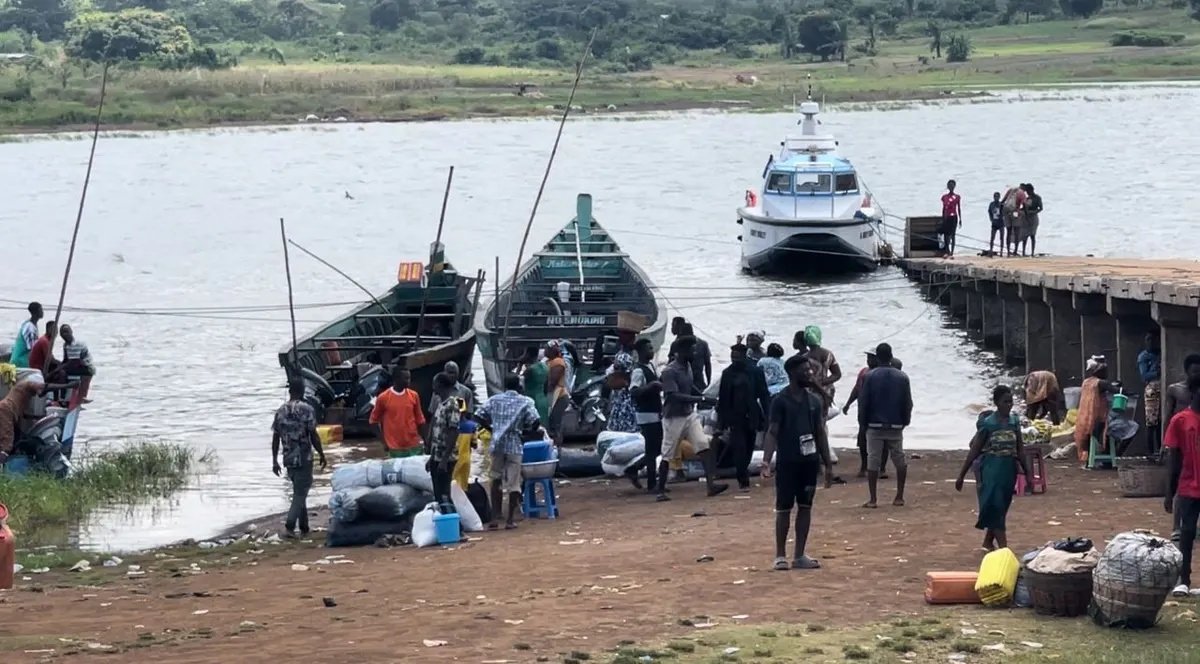
Canoe operators have raised those concerns for years. Fishers in Elmina were among those who recently called for a role in the closed season.
Writing on Thursday, Oceana Ghana vice-president Sonia Kwami said the new law had doubled the protected area from six to 12 nautical miles. She also said artisanal fishing accounts for more than 70 per cent of Ghana’s fish production and supports about three million people.
Ms Kwami added that analysis of vessel-monitoring data from 2023 to 2024 showed trawlers continued to enter restricted waters, with repeated breaches concentrated in particular areas.
The Ghana Maritime Authority and the fisheries ministry have previously worked together at sea. On one occasion, they joined the Marine Police in searching for a missing canoe and its seven crew members.