Ghana’s latest fuel price increases show that the country’s underlying economic problems remain unresolved and could soon place greater pressure on the prices of imported goods, according to University of Professional Studies, Accra (UPSA) Senior Lecturer Dr Eric Boachie-Yiadom.
Speaking to 3Business on 5 August, Dr Boachie-Yiadom said repeated adjustments at fuel stations reflected structural weaknesses that continued to leave the economy exposed to external shocks.
“The recent hikes in fuel prices reveal that nothing much has changed in the economy. They expose the fundamental challenges we continue to face,” he said.
He identified fluctuations in global crude oil prices and pressure on the exchange rate as two of the main external factors affecting Ghana, while also pointing to domestic taxes as a key influence on the price motorists pay at the pumps.
Dr Boachie-Yiadom said fuel prices were determined largely by three elements: taxation, the exchange rate and international oil prices. Although Ghana could not control movements in the global crude market, he said government policy could help shape the tax burden and support greater exchange-rate stability.
A stronger cedi, he argued, would provide protection against international price shocks by reducing the local-currency cost of imported fuel.
“If we had a stronger cedi acting as a shock absorber, we would not be feeling the impact we are experiencing currently,” he stated.
The economist warned that a continued rise in fuel prices could alter the main source of inflationary pressure in Ghana. He said the latest inflation figures had been driven mainly by locally manufactured goods, but that imported products could become the leading contributor if current trends persisted.
Ghana imports a significant proportion of the goods consumed domestically, meaning higher fuel and transport costs could feed directly into the prices of those products.
“If this trajectory continues, we expect the prices of imported goods to increase. The last inflation report was driven mainly by locally manufactured goods, but imported goods could become the major driver if current trends persist,” he added.
Dr Boachie-Yiadom said the government should focus on long-term structural reforms rather than relying on temporary measures. He argued that putting more dollars into the foreign-exchange market would not offer a lasting answer to the country’s economic difficulties.
Instead, he called for investment in strategic sectors that could generate foreign exchange and improve Ghana’s ability to supply the dollars required to support business activity.
He said tackling those structural weaknesses was essential if Ghana was to stabilise the economy, contain inflation and reduce the impact of future external shocks.
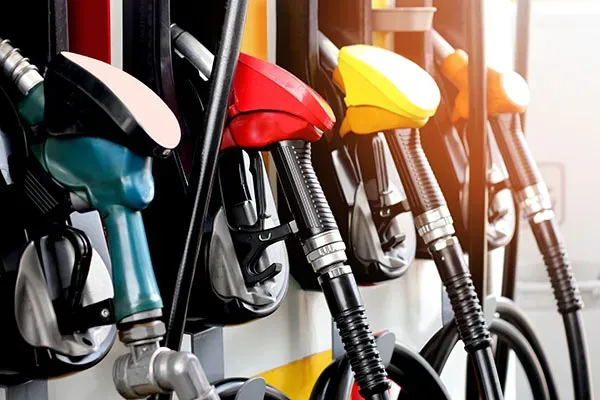
Fuel prices have undergone several upward adjustments during recent pricing windows. The changes have largely been attributed to movements in global crude oil prices, fluctuations in the exchange rate and taxes included in Ghana’s petroleum pricing structure.
The increases have caused concern among consumers and businesses. Higher transport and energy costs can raise the prices of goods and services, adding to inflationary pressures and increasing the overall cost of living.
Dr Boachie-Yiadom’s comments underline the wider economic impact of fuel-price movements, with the latest increases continuing to put pressure on households and businesses beyond the cost of filling vehicles.