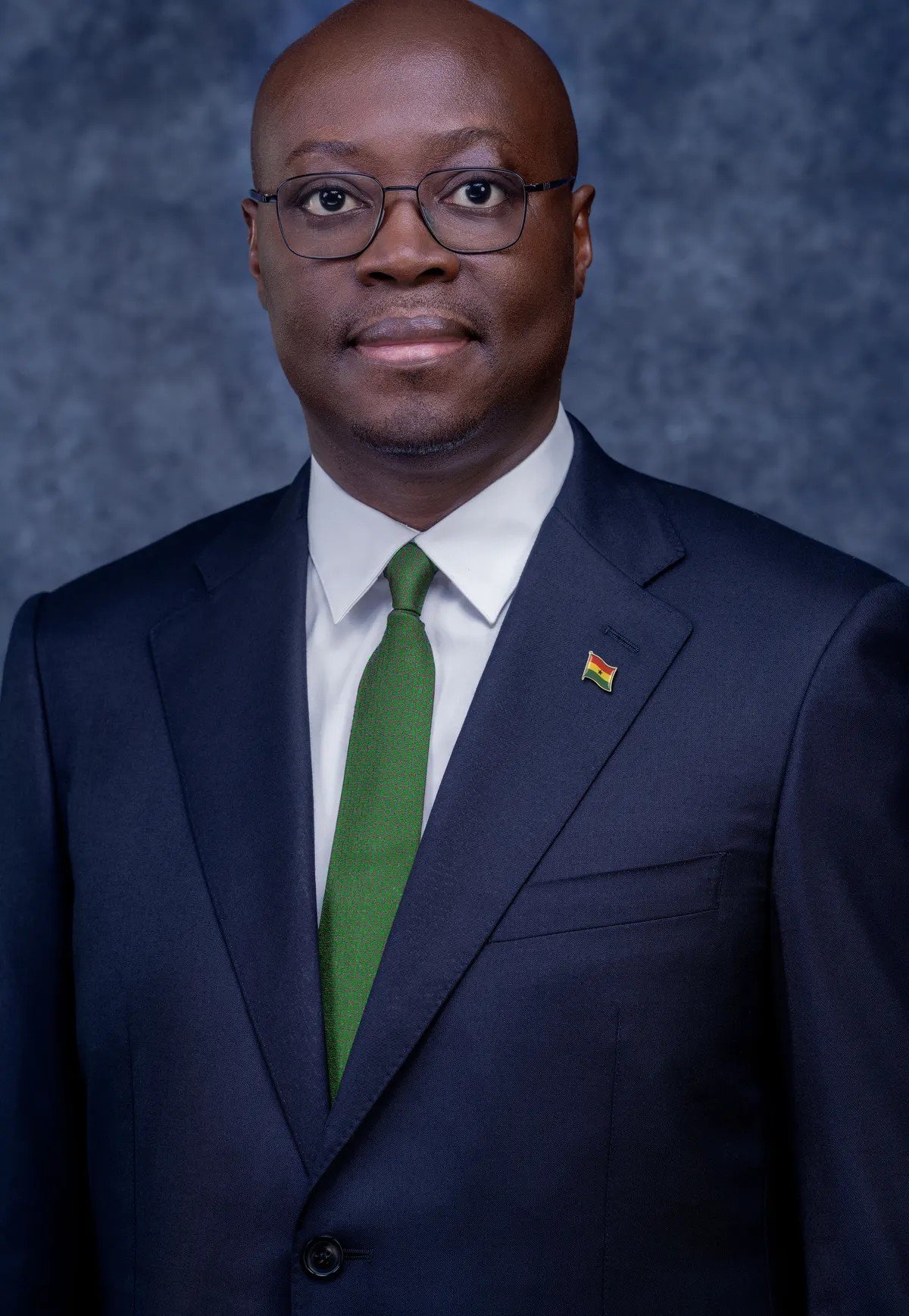
Finance Minister Dr. Cassiel Ato Forson is leading Ghana’s delegation at the 2026 Annual Meetings of the International Monetary Fund (IMF) and the World Bank Group in Bangkok, Thailand, as the government prepares to move from economic stabilisation towards longer-term transformation.
The meetings run from 12 to 18 October and take place before Ghana’s 2027 Budget. Dr Forson is expected to use that budget to unveil the New Economy, the government’s blueprint for the country’s next stage of economic development.
During the Bangkok meetings, the finance minister will hold bilateral talks and take part in multilateral discussions with world leaders, finance ministers and senior figures from international financial institutions.
His schedule includes engagements with the IMF leadership, senior officials from the World Bank and representatives of other multilateral institutions. He will also meet development and financial partners as Ghana seeks to build on the progress made in restoring economic stability.
The 2026 gathering is the first Annual Meetings to be held outside Washington, D.C., since Dr Forson became Finance Minister in 2025.
Ghana arrives in Thailand after receiving positive assessments from the Bretton Woods institutions for its response to the economic crisis that began in 2022. The government’s recovery efforts have provided the basis for its next policy priority: creating an economy that can sustain growth and deliver lasting development.
The proposed New Economy blueprint is expected to explain how Ghana intends to pursue that objective. The 2027 Budget will then set out the policies and actions through which the government plans to implement its wider development ambitions.
Dr Forson outlined the change in focus during his presentation of the 2026 Mid-Year Fiscal Policy Review, making clear that stabilisation was intended as a starting point rather than an end in itself.
“Stabilization was never the destination. It was the price of entry,” he stated.
The minister’s programme in Bangkok therefore comes as Ghana prepares to define the next phase of its economic strategy. International recognition of the country’s recovery coincides with preparations for the government to outline how it plans to convert that progress into sustained transformation.