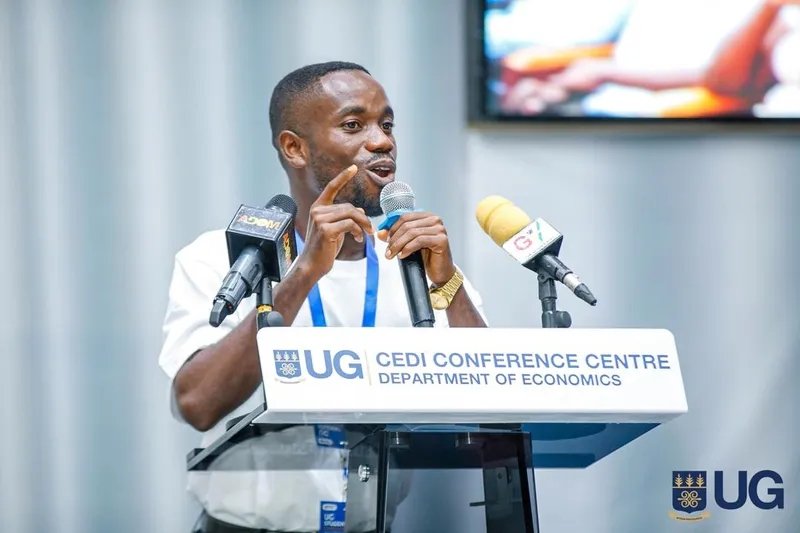
Ghana could make public university education free if it redirected a fraction of the money lost annually through corruption and financial leakages, according to an analysis by Ishmael Oduro-Acheampong.
The proposal comes amid debate over whether the government can afford to extend free education beyond secondary school. Ghana has limited fiscal space, major infrastructure needs and continuing debt-service obligations, but the estimated cost of free tertiary education is substantially lower than the losses recorded through corruption, procurement inflation, tax evasion and other financial irregularities.
University access and the funding gap
The Free Senior High School policy, introduced in 2017, has expanded access to secondary education. Government figures reconciled by Education Minister Haruna Iddrisu and former Minister Dr Yaw Osei Adutwum indicate that between 3.5 million and 3.9 million students have benefited.
However, many students face financial barriers when they reach university. More than 512,000 students are enrolled at Ghana’s 26 public universities and specialised degree-awarding institutions, while rising facility user fees continue to prevent some qualified applicants from enrolling.
Data from Africa Education Watch (Eduwatch) shows that new tertiary admissions fell from 195,000 in the 2024/2025 academic year to about 160,000 in 2025/2026, largely because of financial constraints.
The government’s No-Fees-Stress policy already covers academic user fees for all first-year tertiary students. In 2025/2026, GH¢489.46 million was spent on 159,750 first-year students, an average subsidy of about GH¢3,064 per student.
The 2027 Budget, presented to Parliament on November 12, 2026, includes GH¢537 million for new entrants, according to Finance Minister Dr Cassiel Ato Forson. Applying the same average subsidy to the entire public tertiary population would put the annual cost of academic fees at about GH¢1.57 billion to GH¢1.62 billion, or roughly GH¢1.6 billion.
A broader package covering accommodation and converting Students Loan Trust Fund maintenance loans of GH¢2,250 to GH¢4,500 into grants would increase the estimated annual cost to between GH¢3.5 billion and GH¢4.5 billion.
That is comparable to Free SHS. Deputy Education Minister Dr Clement Abas Apaak and the Ministry of Finance say GH¢4.2 billion is allocated through the Ghana Education Trust Fund (GETFund) for the combined Free SHS and Free TVET programmes.
The GH¢1.6 billion academic-fee estimate represents a small share of the Ministry of Education’s GH¢48 billion allocation in the 2027 Budget. It would require roughly tripling the existing first-year tertiary-fee budget.
The corruption comparison
Anti-corruption bodies, including the Commission on Human Rights and Administrative Justice (CHRAJ), the National Commission for Civic Education (NCCE) and the Ghana Anti-Corruption Coalition (GACC), estimate that Ghana loses about US$3 billion each year through corruption and related leakages. That is roughly twice the country’s annual foreign direct investment inflows.
Parliament’s Public Accounts Committee reviewed 2025 audit reports in October 2026 showing GH¢5.2 billion in financial irregularities involving Ministries, Departments and Agencies (MDAs), largely linked to tax infractions. Across the wider public sector, including state-owned enterprises and statutory boards, tracked irregularities have exceeded GH¢20 billion in recent audit cycles.
Separate Ghana Statistical Service (GSS) and UN Office on Drugs and Crime (UNODC) survey data indicates that citizens pay about GH¢5 billion a year in direct cash bribes, with the average household carrying an indirect corruption burden of GH¢1,440 annually.
At prevailing exchange rates, the estimated US$3 billion loss amounts to tens of billions of Ghana cedis. The analysis concludes that academic fees for every public university student would cost less than 5% of that annual loss, while a comprehensive package could be funded several times over if part of the leakage were stopped.