Ghana recorded a 94% reduction in reported child labour cases in 2024, with the number falling from more than 227,000 children identified in 2023 to about 14,000, according to the 2024 Annual Child Labour Report.
Cases involving the worst forms of child labour also declined, from about 4,500 to 1,500. More than 9,000 children were withdrawn from labour during the year, an increase of 29% compared with 2023.
The figures were presented by the report’s consultant at a forced labour seminar organised by the International Justice Mission in Accra on Wednesday.
Rescue operations have continued alongside policy efforts. A project run by an American reportedly removed more than 300 children from labour on cocoa farms in Ghana’s Eastern Region.
Despite the progress, only 40% of boys and 35% of girls identified as being in, or at risk of, child labour received support.
The report also found that just three of the 54 actions in the national action plan had been fully completed. A further 63% were still in progress, while 31% had not been started or completed.
Child labour reporting remains heavily focused on the cocoa sector, which accounts for 93.6% of all identified cases. The plan’s implementation, meanwhile, covers only one of its eight priority areas.
Emmanuel Antwi Bosiako, the consultant who led the report, called for reporting to be expanded to the mining sector. He also said protection committees needed strengthening and that vulnerable families should receive more livelihood support.
Children aged 15 to 17 who have been withdrawn from labour should be given access to technical and vocational education, as well as apprenticeships, he added.
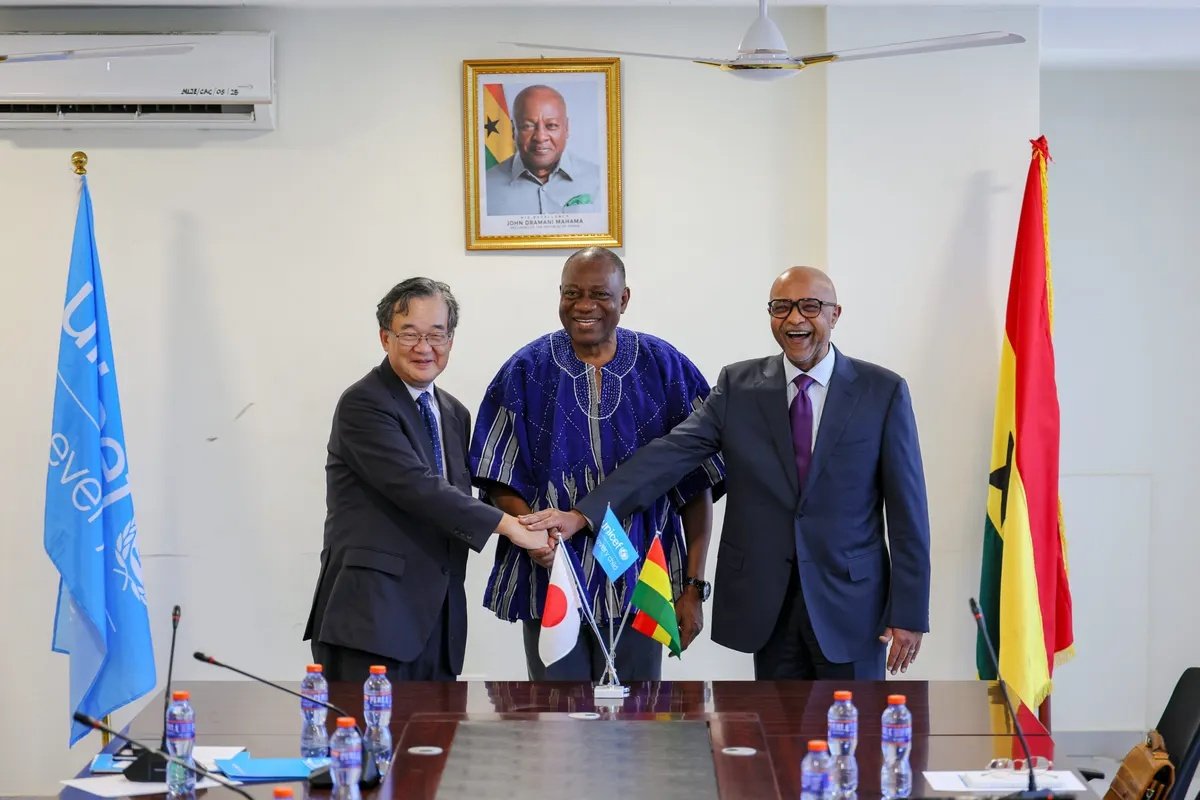
Mr Bosiako said the action plan needed to be properly costed and funded, with more effective systems for monitoring progress. A AUS$2.3m partnership with Japan and UNICEF is aimed at eliminating child labour.
Anita Budu, the International Justice Mission’s West Africa Programme Director, said the report provided the evidence required to target interventions more effectively.
She urged greater emphasis on identifying and supporting victims, particularly children involved in the worst forms of labour, to prevent them from being drawn back into exploitation. She also called for closer co-operation between agencies.
Ghana operates a child labour monitoring system as part of efforts to strengthen its response.
Esther Ofori Agyemang, head of the Labour Department’s Child Labour Unit, said action should extend beyond cocoa to include illegal mining and commercial sexual exploitation.
She supported a nationwide child labour-free zone initiative, saying children move between sectors according to seasonal patterns. She also stressed that the classroom remains the best place for a child.