The Forestry Commission is planning to establish armed security camps and deploy surveillance technology in Ghana’s Subri River Forest Reserve to stop illegal miners from returning to cleared areas.
The proposed operation in the Western Region will use rapid-response teams, CCTV cameras, motorbikes, vehicles and Starlink internet connectivity. It will also involve closer cooperation between state security agencies.
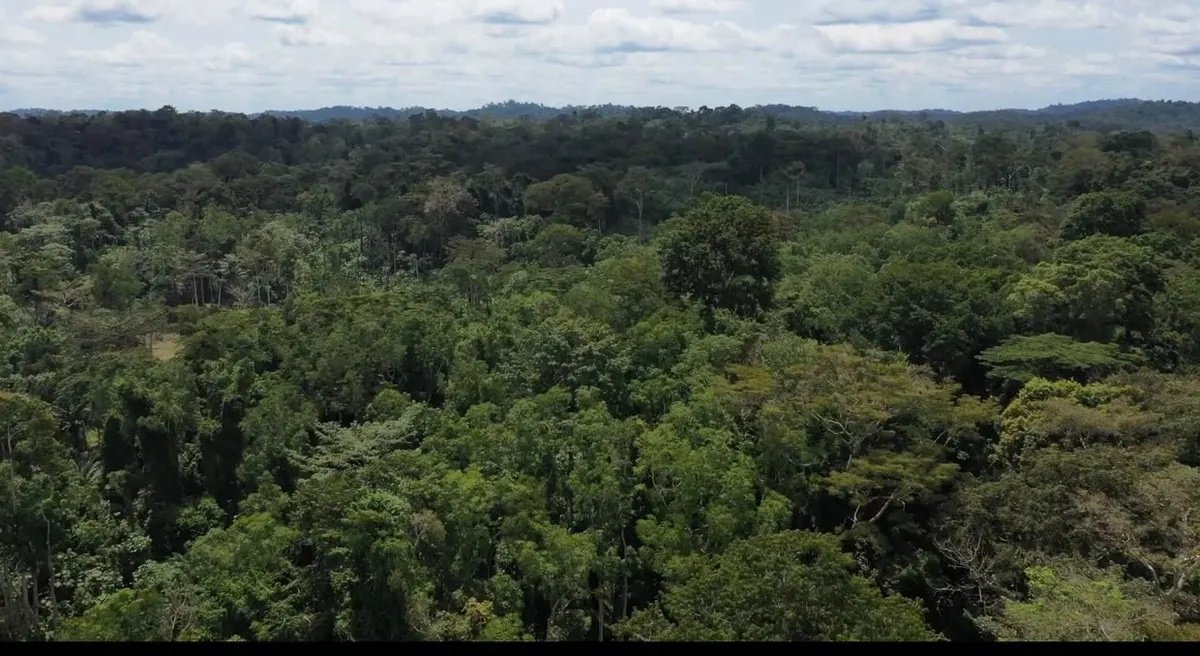
More than 1,000 armed illegal miners are reportedly operating in the reserve, which covers more than 58,000 hectares. It is one of the Western Region’s key ecological assets and among Ghana’s largest forest reserves, accounting for about 30 per cent of the region’s total forest reserve area.
Nana Poku Bosompim, the Forestry Commission’s Western Regional Manager, said previous enforcement operations had removed illegal mining activity from parts of the reserve but had not stopped miners from returning after security teams were moved elsewhere.
“We should not allow the Subri River Forest Reserve to fall into that category of a red zone. It would be a failure of epic proportions on the part of all of us if we allow the situation in Subri River to degenerate,” he said.
Under the proposed system, teams of about 13 armed rapid-response officers would remain at identified mining hotspots after clearance operations. Their presence is intended to deter illegal miners and allow reinforcements to be deployed quickly if threats emerge.
The teams have received specialised training for operations in forest environments. The planned camps will be supported by communication and surveillance equipment to help officers monitor activity and maintain contact with other security units.
“After we’ve cleaned the forest reserve, we want to ensure that the miners do not return. If they return and see our forest guards and our armed team there, will they come back?” Mr Bosompim asked.
The Forestry Commission says its wider enforcement work in the Western Region has led to the destruction of illegal mining equipment, arrests and prosecutions. Mr Bosompim said the effective area of degraded forestland had fallen from approximately 680 hectares to 282 hectares, a reduction of nearly 60 per cent.
He warned, however, that the improvement remained fragile because miners continued to reoccupy sites whenever security personnel were redeployed.
The scale of the region’s forest estate makes maintaining a permanent presence difficult. The Western Region has 19 forest reserves covering approximately 209,333 hectares.
“Something has been done, but I can also say we are nowhere near winning the fight. There is still more work to be done. That tells us we need to sustain the fight,” he said.
Western Regional Minister Joseph Nelson called for joint planning involving the Forestry Commission, the military, the Navy, the Air Force, the National Anti-Illegal Mining Operations Secretariat (NAIMOS) and other relevant agencies.
He said intelligence-sharing and coordinated deployments were necessary to confront armed illegal mining groups and stop them from regaining cleared territory.
“The Forestry Commission is doing something on its own. On the same challenge, we have NAIMOS. How is the collaboration like? And interestingly, the two institutions are under the same ministry,” he said.
“Working in silos won’t help anybody,” Mr Nelson added, urging the agencies to combine their resources and expertise to protect the reserve and prevent it from becoming a red zone.