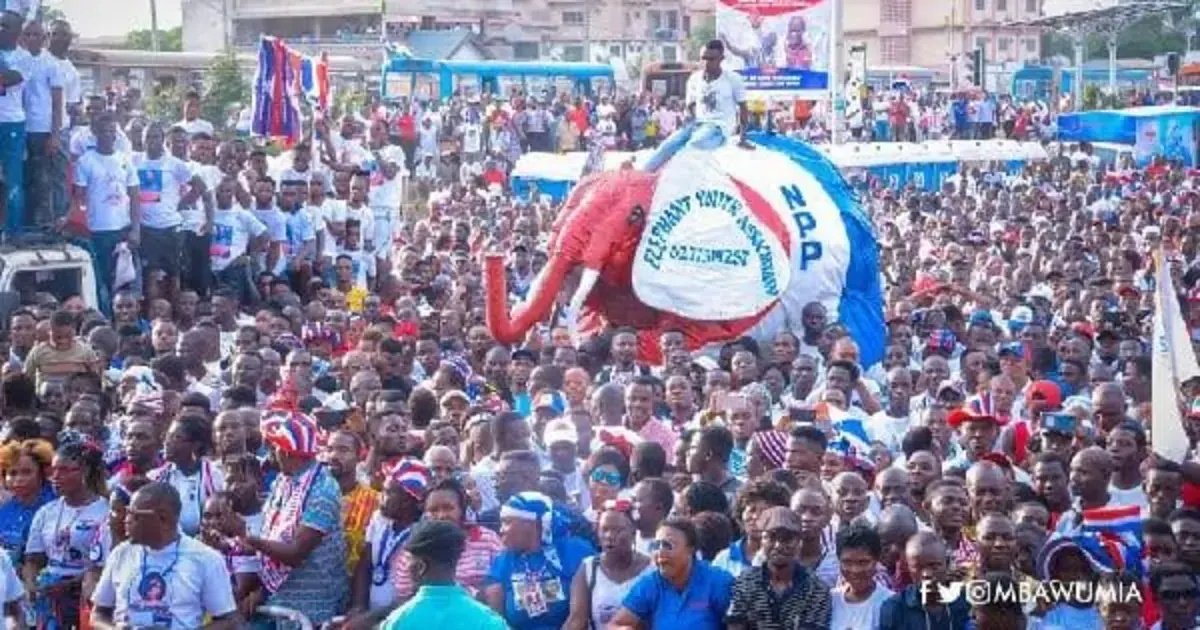
Election Watch Ghana has praised the New Patriotic Party (NPP) and the Electoral Commission (EC) for the peaceful conduct of the party’s delegates’ election, while warning that the process highlighted concerns over cost, money and political inclusion.
In a report dated October 4, 2026, the observer group described the election as an important part of Ghana’s democratic process and said it demonstrated the NPP’s commitment to internal democracy, participation and stronger political institutions.
It congratulated the successful candidates and urged the newly elected executives to serve with integrity, inclusiveness and accountability. The group said their responsibility extended beyond the party to the wider development and consolidation of Ghana’s democracy.
Election Watch Ghana commended the EC for its professional handling of the poll, saying the apparent reduction of errors to a minimum was encouraging. It said the result underlined the importance of continued investment in electoral administration, preparation and clear procedures.
Security agencies were also praised for maintaining peace and order. However, the group questioned the deployment of more than 3,000 police officers for one internal party election, saying the scale raised concerns about the long-term cost and sustainability of such arrangements.
It said election security remained essential but called for deployments to be regularly reviewed to ensure they were proportionate, efficient and sustainable. It also recommended stronger election education for citizens, delegates, candidates and other stakeholders, alongside improved specialist training for security personnel involved in electoral duties.
Concerns over women’s representation
Election Watch Ghana said only one woman had been elected among the party’s executives, raising questions about whether women were adequately represented in political leadership.
It urged the NPP to create more opportunities for women to participate in decision-making and to consider gender balance and inclusiveness in future appointments and leadership opportunities. The group said women’s representation was not simply a numerical issue, but a key part of a political system that reflected the diversity, experiences and aspirations of Ghanaians.
The report also highlighted the increasing expense of internal party elections. Transportation, feeding, accommodation and other logistical costs can impose significant financial pressure on candidates, making access to money an important factor in determining electoral success.
Election Watch Ghana called on political parties to organise and fund the basic logistical needs of accredited delegates centrally, rather than requiring individual aspirants to pay for their transport, food or accommodation. It said such changes could create a more level playing field and limit the influence of money.
The group encouraged delegates to look beyond candidates’ popularity, political connections, personal influence or financial strength. It said voters should assess ideas, proposals, records, integrity, leadership ability and commitment, rather than favouring people seen as aggressive, influential or wealthy.
“Ultimately, the responsibility for building a better political system rests with all of us. Every delegate has the power to influence the direction of a political party and, by extension, the future of the country,” the statement concluded.