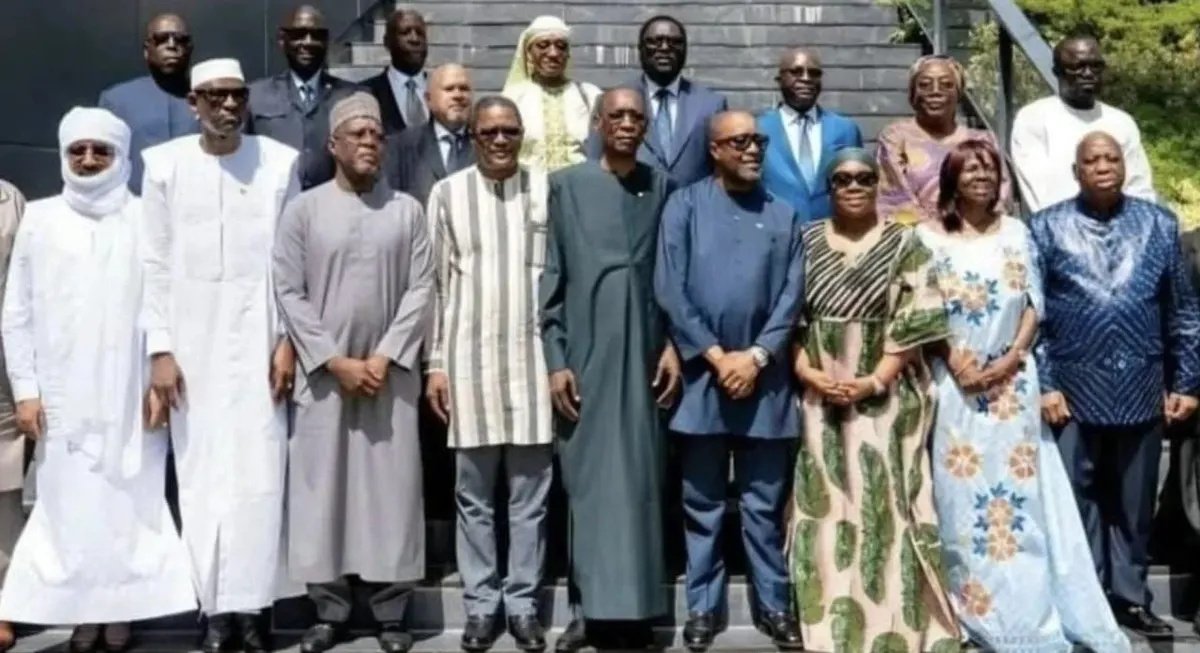
ECOWAS and the Alliance of Sahel States (AES) have agreed to create joint working groups aimed at developing a framework for future cooperation, signalling a possible thaw in relations between the two sides.
The decision followed a ministerial meeting in Dakar, Senegal, on October 17, 2026, nearly two years after Mali, Burkina Faso and Niger formally withdrew from the Economic Community of West African States (ECOWAS).
The agreement does not mean the three countries are preparing to rejoin the regional bloc. Instead, it establishes a structured channel for dialogue between ECOWAS and the AES, which remain separate political and regional organisations.
Senegalese Foreign Minister Cheikh Niang led the ECOWAS delegation, while Burkina Faso’s Foreign Minister, Karamoko Jean-Marie Traore, headed the AES side.
The working groups will consider areas of shared interest and produce recommendations for a possible cooperation framework. Their conclusions will be presented to ministers at a later meeting.
Why relations broke down
The AES was created in September 2023 under the Liptako-Gourma Charter as a mutual defence pact between Mali, Burkina Faso and Niger. It emerged as the three countries faced continuing jihadist insurgencies and increasingly difficult relations with ECOWAS following military coups.
Tensions intensified after ECOWAS imposed sanctions and disagreed with the military-led governments over schedules for restoring constitutional rule. The governments in Mali, Burkina Faso and Niger also argued that regional assistance in confronting insecurity had been insufficient and accused ECOWAS of operating under foreign influence.
Those disputes helped lead to their withdrawal from ECOWAS, which took effect on January 29, 2025.
Experts point to economic and security stakes
International Relations Expert Professor Daniel Kipo-Sunyehzi said closer contact was increasingly important for regional integration and the movement of trade.
He said preserving cooperation could help maintain the economic ties and regional links connecting the landlocked Sahel countries with the wider West African community.
Foreign Policy and Security Analyst Adib Saani warned that prolonged divisions could affect trade, transport, cross-border movement and regional security. He described the renewed discussions as an acknowledgement that institutional differences have consequences for trading, intelligence sharing and efforts to combat transnational organised crime.
Mali, Burkina Faso and Niger rely on transport corridors through neighbouring countries to reach seaports and international markets, making relations with other states in the region important to their economies.
Professor Lord Mawuko Yevugah said strategic interests could also be driving the renewed engagement despite the political differences between ECOWAS and the AES. He added that future negotiations would need to take account of the sovereignty concerns expressed by the Sahel states.
The Dakar meeting gives both sides a formal means of examining shared priorities while remaining separate blocs. The working groups are expected to prepare the way for further ministerial talks, though their eventual outcome is unclear.
The process could ultimately lead to the three countries returning to ECOWAS, or to a different form of regional cooperation. For now, the challenge is to turn diplomatic contact into practical arrangements supporting trade, security and the interests of West African populations.