Boarding school authorities have been urged to stop using firewood and charcoal in their kitchens and switch to liquefied petroleum gas (LPG), amid concerns over the serious health effects of prolonged exposure to cooking smoke.
The National Petroleum Authority (NPA), which is promoting cleaner cooking methods, says the continued use of traditional fuels in institutional kitchens is placing thousands of kitchen workers and students at unnecessary risk.
Reports from boarding schools indicate that some kitchen workers have developed severe health problems, including bronchitis and blindness, after years of working in smoke-filled kitchens.
The issue was highlighted during an NPA sensitisation exercise at the Tamale College of Education. Mohammed Mansur Hussein, a Lecturer and Academic Counsellor in the institution’s Pre-Vocational Skills Department, described the case of a woman who worked in a boarding house kitchen and later died from bronchitis.
Mr Hussein said her illness was linked to prolonged exposure to smoke from cooking with firewood and charcoal.
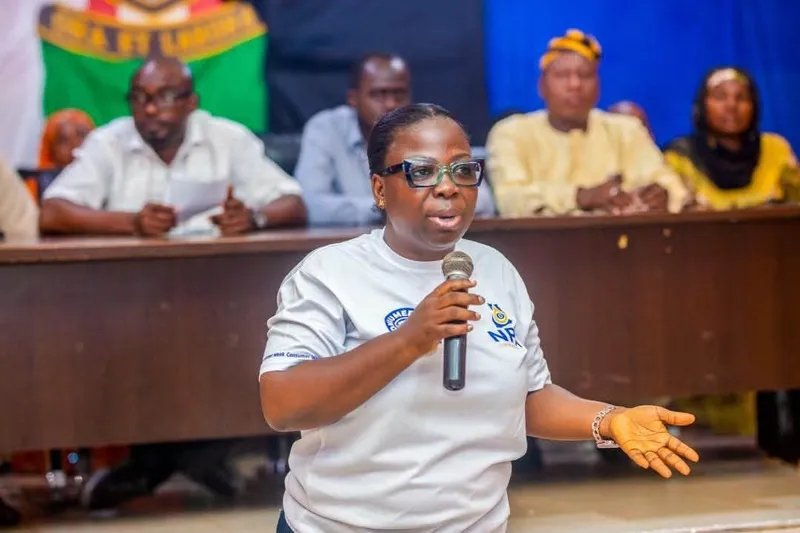
Eunice Budu Nyarko, Director of Consumer Services at the NPA, said the health burden caused by traditional cooking fuels falls particularly heavily on cooks, students and pregnant women.
She urged schools and other educational institutions to adopt LPG, describing it as one of the cleanest and most efficient cooking fuels available in the country.
The NPA’s campaign is focused on encouraging institutions to move away from solid fuels, whose smoke can remain in enclosed kitchen spaces and expose workers over long periods.
The authority says replacing firewood and charcoal with LPG would provide a cleaner cooking environment for school kitchens and help reduce avoidable health risks for both staff and students.