Ghana’s Ministry of Youth Development and Empowerment says new findings on youth unemployment and substance abuse are concerning, with detailed figures due to be released at next week’s State of the Youth Address.
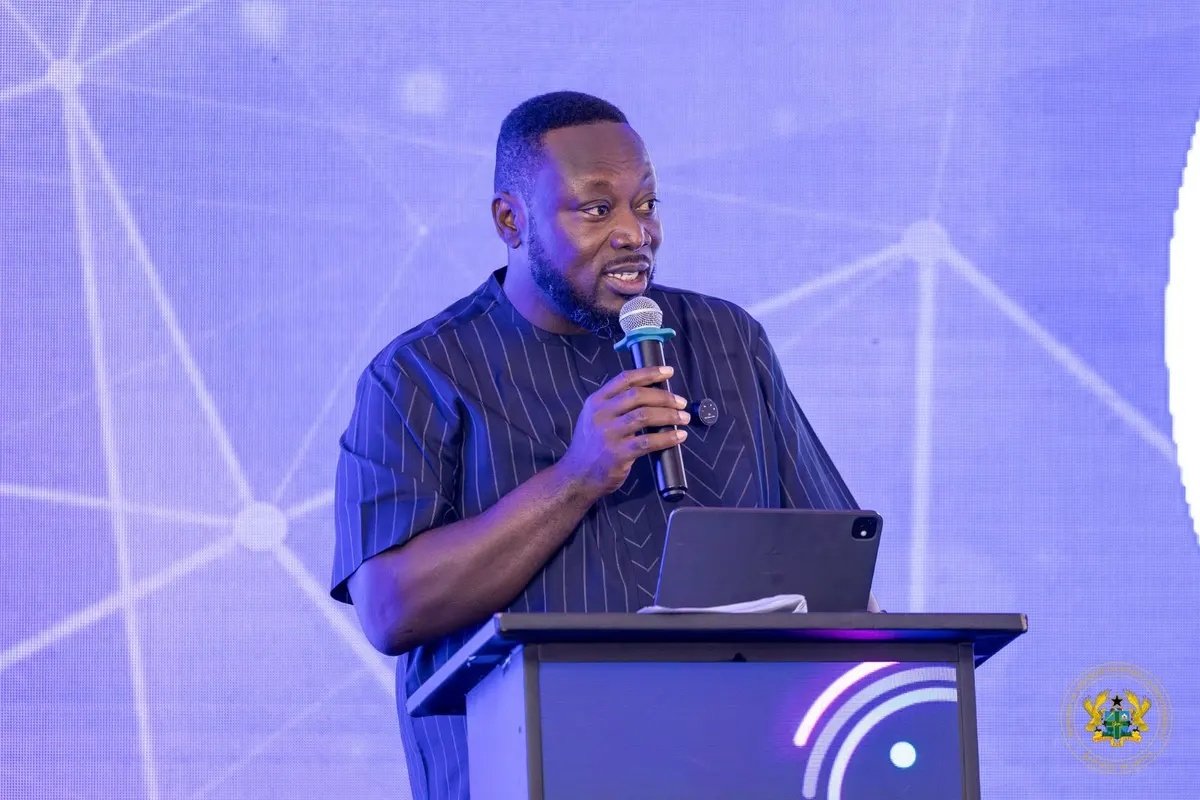
Mohammed Saani Adams, the Ministry’s director of youth development, said Minister George Opare Addo would present the data on Tuesday, 1 December, at the Accra Marriott Hotel.
Speaking on Channel One TV’s Breakfast Daily on Friday, Mr Adams warned that the results pointed to serious challenges despite measures already introduced to address them.
“I can tell you that the data is not looking too good,” he said. “There have been quite a number of interventions in that direction, yet it is something that we think that we must work earnestly on.”
The research was carried out over three to four months in all 16 regions of Ghana. Nearly 10,000 young people took part, while traditional leaders, faith-based groups and rehabilitation centres were also consulted.
Academics and think tanks were involved in validating the findings, according to Mr Adams.
Existing figures from the Ghana Statistical Service show that unemployment among people aged 15 to 24 stood at 32.4 per cent during the first three quarters of 2025. That means about one in three people in that age group did not have a job.
Mr Adams linked drug abuse to the employment difficulties facing young people, saying it damages both the cognitive and non-cognitive abilities required to find and retain work.
He said the problem extended beyond marijuana and cocaine, with some young people misusing painkillers such as tramadol. He also warned of the practice of mixing glue, shoe polish, energy drinks and coffee.
The Ministry has been running its “Red Means Stop” campaign across university campuses, churches and mosques. It is also planning to establish anti-drug clubs in senior high schools.
Further skills training is expected to be provided through the National Apprenticeship Programme, which is intended to reach 50,000 beneficiaries.
The government is facing pressure from opposition MPs to deliver faster progress on youth employment. During the 2027 Budget debate, Minority Leader Alexander Afenyo-Markin said the fiscal plan did not contain clear enough incentives for the private sector to create jobs.
In August, Old Tafo MP Vincent Ekow Assafuah, the Minority’s Ranking Member on youth affairs, also called on the administration to support its statements and slogans on young people with sustainable employment opportunities.