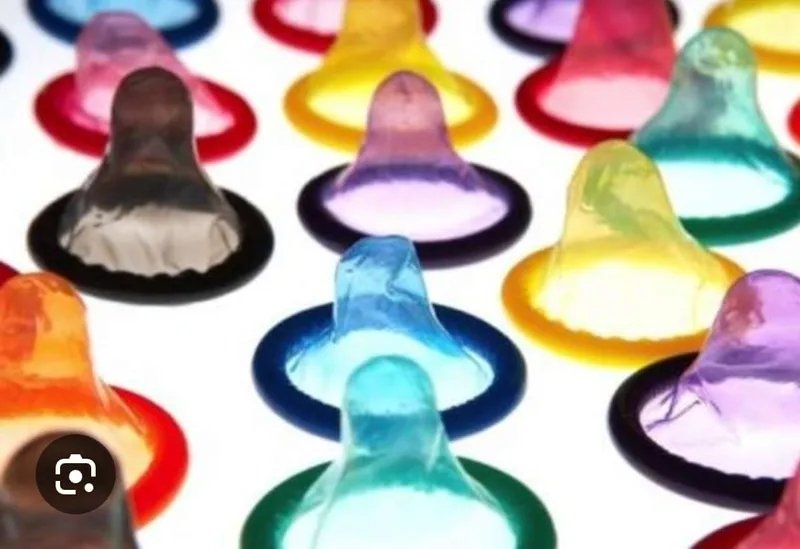
The Ghana AIDS Commission (GAC) will launch a new National Condom and Lubricant Strategy in 2027, aiming to make condoms more comfortable, accessible and acceptable to users.
The strategy will include thinner condoms, a wider range of suitable sizes, improved lubricants and easier-to-use products. It will also feature a redesigned female condom intended to address concerns about comfort and acceptability.
GAC Director-General Dr Kharmacelle Prosper Akanbong announced the plans at the launch of World AIDS Day 2026 in Accra. He said the new strategy had been developed in response to problems identified during the previous national policy, which has now expired.
Users had raised concerns about the thickness and sizing of condoms, as well as the quality of some lubricants. According to Dr Akanbong, some people reported that existing lubricants dried out over time and developed a gel-like or crystallised texture, affecting their experience and willingness to use them.
“All is set for the implementation of the National Lubricant and Condom Strategy next year. The strategy will incorporate much thinner condoms, much more appropriate size condoms, much more effective lubricants, and much easier-to-use agents to promote its usage,” he said.
The Commission says these concerns will be central to the new policy, which is designed to improve comfort and encourage more consistent condom use.
Female condoms will also be improved. Dr Akanbong said changes made under the 2015 strategy had increased their acceptability, but the Commission was now assessing newer products that could provide greater comfort and be easier to use.
The initiative is expected to support Ghana’s efforts to prevent HIV and sexually transmitted infections by tackling practical difficulties that can discourage people from using condoms.
Availability concerns
The announcement comes as Ghana faces concerns over the availability of condoms. The National AIDS/STI Control Programme recently confirmed that national supplies had fallen below the required level.
Its Programme Manager, Dr Emmanuel A. A. Teviu, said a new consignment of condoms had arrived in the country. However, the products were still undergoing quality and safety checks by the Food and Drugs Authority before being distributed to health facilities.
The proposed strategy therefore comes as Ghana seeks to improve both the supply of condoms and their suitability for users as part of its wider HIV prevention response.
With the country preparing to mark World AIDS Day 2026 under the theme 40 Years of Steady Progress, attention is being focused not only on increasing access to prevention products but also on ensuring they reflect users’ needs and preferences.
The Ghana AIDS Commission believes that making condoms more comfortable and practical could reduce barriers to regular use and contribute to efforts to lower the number of new HIV infections.