Ghana has proposed a visa waiver agreement with Lebanon for holders of diplomatic, service and ordinary passports, as both countries seek to deepen relations and encourage travel, trade and investment.
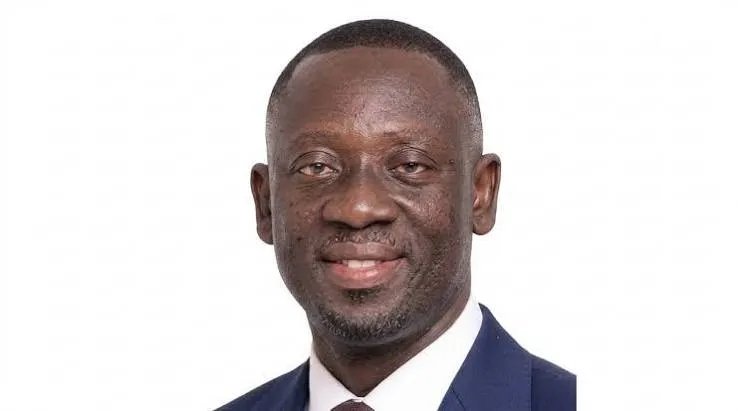
The proposal was made by Ghana’s Ambassador to the Republic of Lebanon, with residence in Cairo, Arab Republic of Egypt, H.E. Prof. Justice Solomon Korantwi-Barimah, when he presented his Letters of Credence to the President of the Republic of Lebanon, H.E. Joseph Aoun, in Beirut on Thursday, October 15, 2026.
The agreement would support stronger people-to-people links, increase business exchanges and build on the longstanding friendship between Ghana and Lebanon. Prof. Korantwi-Barimah said Ghana was ready to work with the Lebanese government to identify new areas of cooperation and pursue shared interests.
Longstanding diplomatic links
The Ambassador delivered greetings from President John Dramani Mahama, the Government and people of Ghana to President Aoun and the people of Lebanon. He said Ghana remained committed to strengthening relations that began in the early years of the country’s independence in 1957.
Lebanon was the second country in the Middle East with which Ghana established formal diplomatic relations, he said. However, links between the two countries had existed before that point and had developed through trade, personal connections and the settlement of Lebanese nationals in Ghana.
Prof. Korantwi-Barimah said the integration of the Lebanese community into Ghanaian society reflected the depth of the friendship and trust between the two nations. He also acknowledged the community’s contribution to Ghana’s social and economic development and said the relationship should continue to deliver benefits for both countries.
Focus on trade and investment
The Ambassador praised Lebanese companies for their longstanding investments in Ghana, describing them as significant partners in the country’s economic progress.
He said Ghana wanted to widen cooperation in hospitality, education, healthcare, trade and tourism. Greater collaboration in those fields, he added, could generate investment, support the sharing of expertise, create jobs and promote sustainable economic growth.
Ghana was prepared to work with the Lebanese government and private sector on practical initiatives that would turn the countries’ historic ties into measurable economic gains, he said.
Cooperation on global issues
Prof. Korantwi-Barimah thanked Lebanon for supporting the adoption of United Nations General Assembly Resolution A/RES/80/250 on the trafficking of enslaved Africans and the racialised chattel enslavement of Africans as the gravest crime against humanity.
He described Lebanon’s backing as a demonstration of international solidarity and recognition of the significance of historical truth, justice and human dignity.
The Ambassador also pointed to Ghana’s longstanding contribution to the United Nations Interim Force in Lebanon (UNIFIL), saying it demonstrated the country’s commitment to international peace and security. He reaffirmed Ghana’s support for peaceful conflict resolution and diplomatic efforts to advance dialogue, stability and security.
Labour and migration
Ghana also welcomed discussions with Lebanon on frameworks for labour mobility and migration. Prof. Korantwi-Barimah said such cooperation could help manage migration in an orderly way, improve institutional coordination and strengthen the welfare and protection of workers under national laws and international obligations.
He said Ghana was willing to engage the relevant Lebanese authorities on arrangements addressing the concerns of both countries.
The Ambassador reaffirmed his commitment to closer bilateral and multilateral cooperation, thanked President Aoun for receiving him and his delegation, and said he looked forward to a productive tenure focused on advancing the shared interests of Ghana and Lebanon.