Global economic activity has remained resilient despite geopolitical disruption, but the International Monetary Fund says global headline inflation is expected to rise notably to 4.7% in 2026 before easing to 4.1% in 2027.
The IMF’s October 2026 World Economic Outlook projects global growth of 3.1% in 2026 and 3.4% in 2027. The 2026 forecast is unchanged from its April 2026 World Economic Outlook, while the 2027 projection has been revised moderately upwards.
The fund said the technology upturn, economic buffers and businesses’ ability to adapt had helped limit the impact of geopolitical shocks. Strong investment in artificial intelligence has provided additional demand, while flexible supply, rerouted shipments, reduced inventories, fiscal support and lower energy intensity than in previous decades have helped contain the effects of war.
However, the IMF said those sources of resilience were not unlimited and that the risks to growth were weighted to the downside.
Further conflict, a reassessment of expectations around artificial intelligence, renewed trade tensions and fiscal vulnerabilities could all weaken the global economy. By contrast, stronger momentum in AI investment, productivity improvements linked to the technology, or a sustained reduction in geopolitical and trade tensions could improve the outlook.
The IMF said the interaction between geopolitics and technology had created a divided global economy. Countries benefiting from favourable terms of trade, technology-related exports or investment have gained some protection, while others are facing higher import costs and weaker demand.
Energy exporters outside the immediate conflict zone have benefited from improved terms of trade. Energy-importing economies with little involvement in the technology value chain face higher import bills, currency pressures, weaker real incomes, tighter fiscal conditions and fewer alternative sources of demand.
Many low-income and vulnerable countries fall into that second group, increasing the possibility that recent shocks will widen income gaps within and between countries.
Businesses have continued adapting to repeated geopolitical and trade-policy shocks, while financial markets have retained a broadly positive view of the challenges, supported by enthusiasm for the technology sector. But inventories have been reduced, commodity markets remain exposed and fragmentation could begin to damage efficiency more severely.
The fund also warned that prolonged uncertainty could undermine confidence, energy constraints could weaken the AI-led investment cycle, and financing conditions could change sharply, including because of concerns over fiscal sustainability.
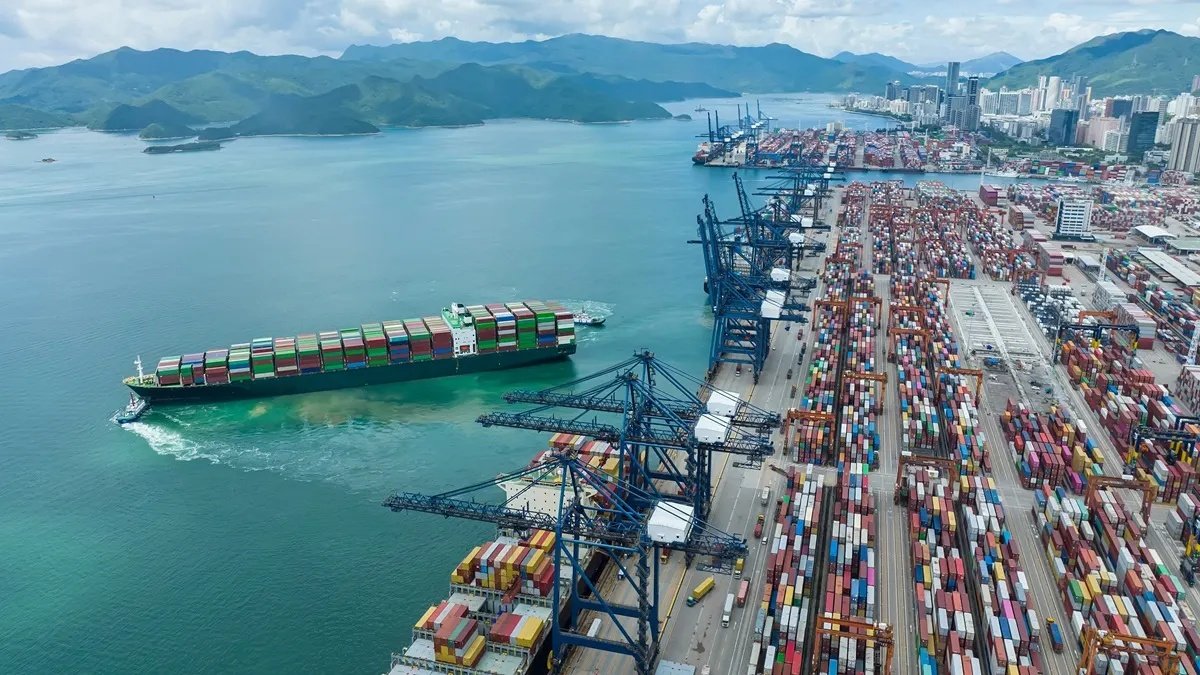
World trade growth is expected to slow in 2026 and stabilise in 2027, reflecting tariffs, changes to production chains and continuing strength in technology-related trade. Global imbalances are forecast to narrow only modestly over the medium term because of large fiscal deficits, limited domestic rebalancing, technology-driven capital flows and differing patterns of demand.
The IMF said the medium-term growth outlook remained weak by historical standards and uneven between countries. A prolonged stalemate or escalation in the Middle East, attacks on energy infrastructure, cyberattacks or extreme weather could push energy and food prices higher, revive inflationary pressures and weigh on growth.
A reassessment of the profitability and productivity expected from AI could also reduce investment sharply, trigger falls in equity markets and tighten financial conditions, with consequences for economies linked to technology supply chains and investors holding technology stocks.