Oil prices rose on Wednesday as traders assessed the potential impact of a storm approaching US production facilities in the Gulf of Mexico and attacks by Yemen’s Iran-backed Houthis on Saudi Arabia.
Brent futures increased by 93 cents, or 0.92%, to $101.51 a barrel by 0022 GMT, while US West Texas Intermediate (WTI) crude gained 82 cents, also 0.92%, to reach $90.25.
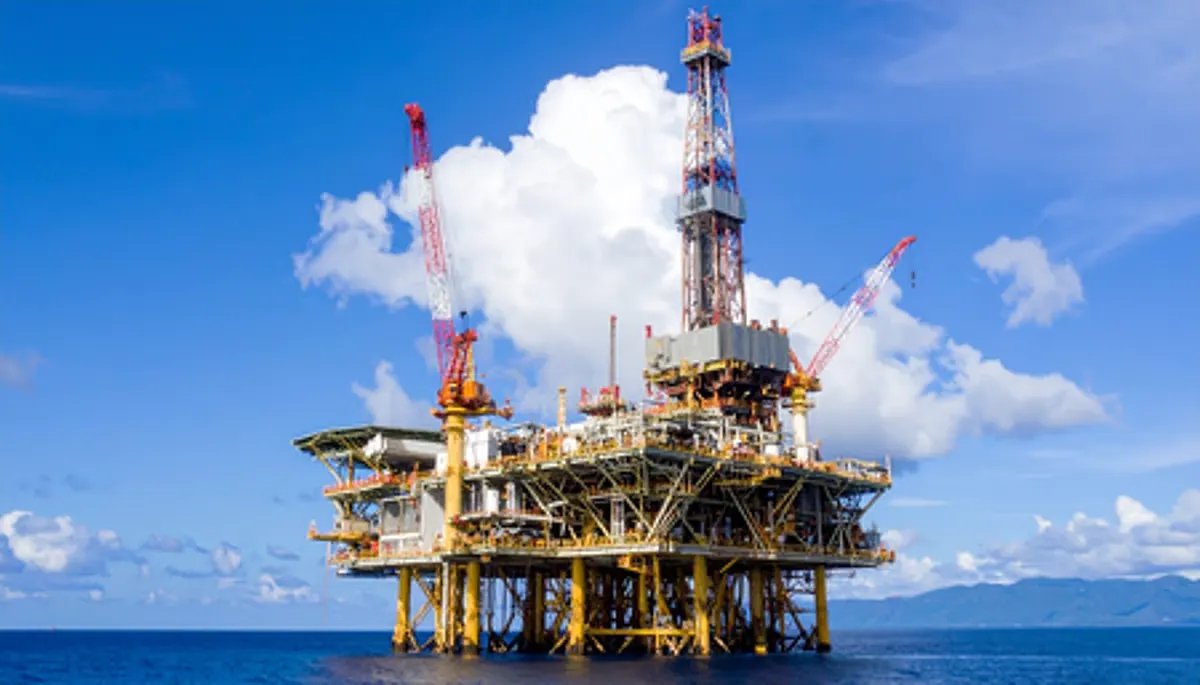
The storm developing in the Gulf of Mexico is expected to become the first Atlantic hurricane of 2026 within two days, according to US forecasters. It is also likely to affect oil and gas infrastructure in the region.
The offshore areas in its projected path account for 15% of US crude oil production and 5% of the country’s natural gas output. Six refineries could also be affected.
Refineries in the US Gulf states represent about 50% of the country’s total refining capacity, which stands at 18.2 million barrels per day (bpd).
The weather threat comes as the market considers increased Middle East supplies. Saudi Energy Minister Prince Abdulaziz bin Salman said on Tuesday that flows through the East-West pipeline had reached 5.8 million barrels a day.
Vitol’s head said about 12 million barrels per day of crude oil and 2 million bpd of refined products had been shipped from the Middle East over the previous 7 to 10 days.
KCM Trade chief analyst Tim Waterer described the storm as an “unwelcome complication for crude, raising the prospect of production and refining disruptions at a time when the market already has enough supply-side headaches”.
US crude oil and gasoline inventories fell last week, while distillate stocks increased marginally, market sources said on Tuesday, citing American Petroleum Institute data. Crude inventories declined by 2.09 million barrels in the week ending October 2.
Tensions rise between Saudi Arabia and Houthis
Saudi Arabia’s airports in Jazan and Najran were targeted in two attacks on Monday evening, the Saudi aviation authority said, as fighting between the kingdom and Yemen’s Iran-backed Houthis intensified.
The attacks came as Saudi-backed Yemeni government forces launched a major offensive to recover territory from the Houthis following weeks of rebel advances. Riyadh has increased its airstrikes in support of the operation.
“Attacks and refinery outages are likely to keep the cracks elevated and scarcity will transmit to crude. Prices will stay elevated near a $100 level without any material de-escalation emerging,” said Mukesh Sahdev, chief oil analyst at X Analysts in Sydney.
Relations between the United States and Iran also showed no sign of improving. US President Donald Trump said on Tuesday that nobody knew who was running Iran during the eight-month US-Israeli war with Iran.
“Their leaders are gone, their second group of leaders are gone, and the biggest problem I have is nobody knows who the hell is running the country,” Trump said.
Iran’s foreign ministry spokesman said on Sunday that Washington knew very well who its counterpart was in Iran and understood how the country’s decision-making system worked.