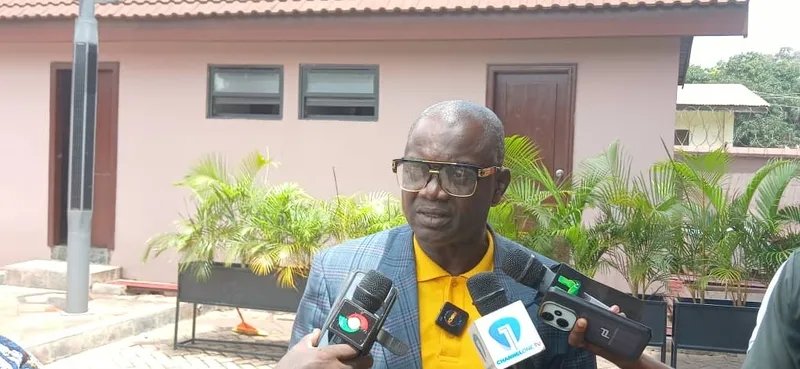
The Ghana National Association of Small Scale Miners (GNASSM) has accused the government of pushing operators towards illegal mining, known locally as “galamsey”, by failing to process mining permit applications for more than three years.
The association’s Ashanti Chapter Secretary, Michael Adu-Gyamfi, criticised the Ministry of Lands and Natural Resources after comments by the Deputy Lands Minister about land that had not been reclaimed.
Speaking on Sunday, October 18, 2026, Mr Adu-Gyamfi said miners were being treated as criminals while being denied the legal documentation needed to operate and restore mined areas.
“If you brand me a criminal, do you expect me to step out and reclaim the land only to get arrested on site? Stop treating us like outlaws. The real crime is sitting on license applications for over three years while outsiders with Accra-issued permits hijack local lands in Manso without community consent,” he said.
GNASSM said the delay in approving permits had created a system in which legitimate small-scale miners were left without a clear legal route, while operators from outside communities were able to work in local areas.
The association argued that protecting Ghana’s rivers and forest reserves would require more than repeated military operations. It called instead for mining licences to be handled by local assemblies and for operators to be brought into a formal regulatory system.
GNASSM’s criticism comes after the organisation ended a seven-year break in its electoral process. The hiatus was linked to an overhaul of its nationwide membership database.
The association has now published a timetable for elections to choose its leaders for the next four years.
Zonal elections will be held on November 13, followed by district elections on December 20. The national elections are scheduled for December 21.
Only registered members considered to be in good standing will be eligible to vote, GNASSM said.
The association urged miners to organise ahead of the polls and use the election process to regain control over the direction of their livelihoods.