The Public Utilities Regulatory Commission (PURC) has called for immediate action to stop illegal mining along the Tano River, warning that continued pollution could threaten water supplies in the Bono Region and neighbouring areas.
The Commission said worsening contamination could make water treatment more expensive and affect Ghana Water Limited’s (GWL) ability to provide enough potable water to meet rising demand.
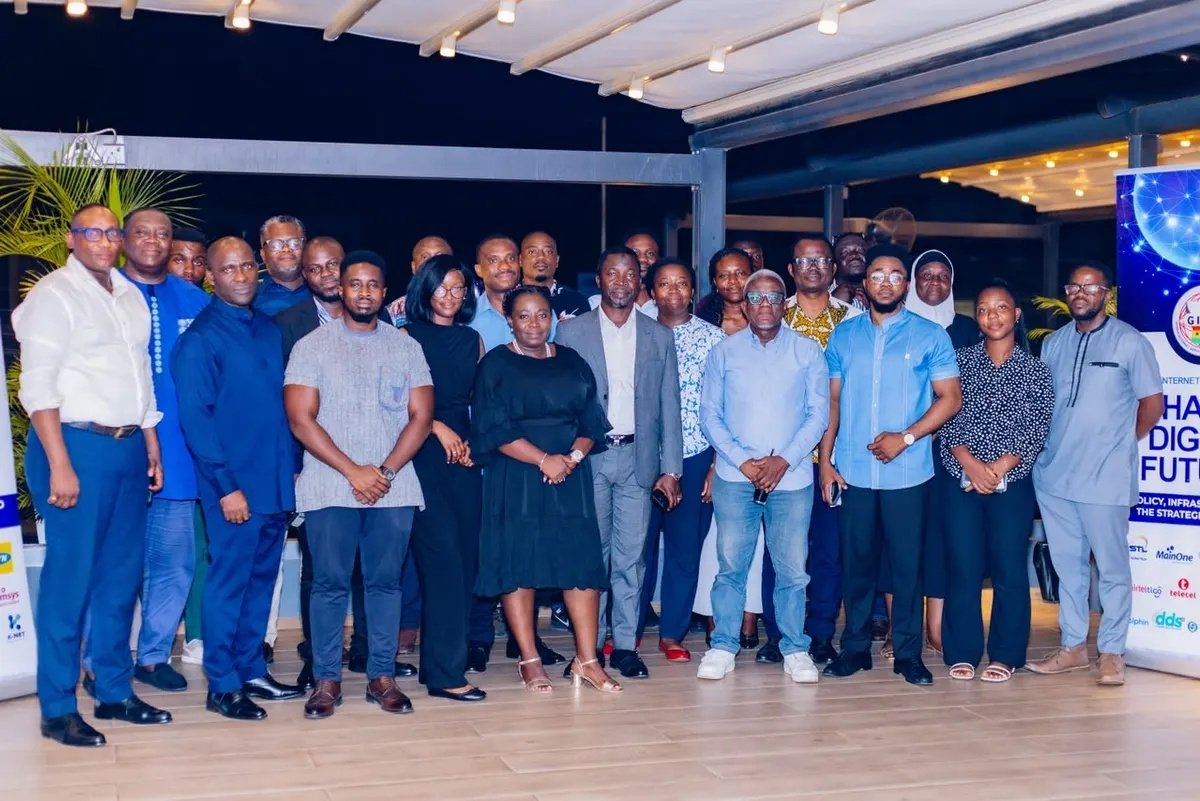
PURC Executive Secretary Dr Shafic Suleman issued the warning during a visit to the Abesim Water Treatment Plant in the Sunyani Municipality. The inspection formed part of a two-day tour of utility service providers in the Bono Region.
He urged regional ministers in communities within the Tano River’s catchment area to work together to tackle illegal mining before the pollution becomes more severe.
Dr Suleman said action was needed now to prevent the region from facing the serious water contamination problems experienced in other parts of Ghana. He also appealed to traditional authorities, local government officials, community leaders and the media to help protect the river.
The PURC executive secretary called on ministers in the affected regions to begin discussions on how to respond to illegal mining and its impact on water quality.
“We have observed a creeping problem with galamsey that has been occurring at the upper part of the Tano River. We are therefore encouraging the regional minister and his counterparts in neighbouring regions to begin conversations on how best they can mitigate the influx of galamsey and its implications for the quality of water for the good people of Bono,” he said.
Rising treatment difficulties
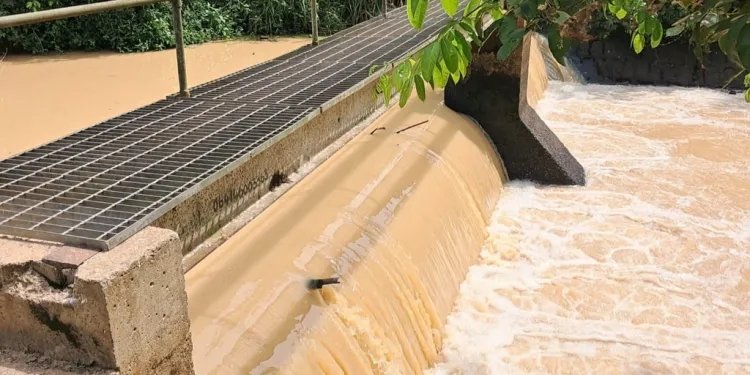
Water quality checks carried out at the Abesim plant over the past three months have repeatedly shown high levels of turbidity, Dr Suleman said. The readings indicate that treating water drawn from the Tano River is becoming increasingly difficult.
The plant is currently able to handle the contamination, but any further decline in water quality could force the facility to use more treatment chemicals. That would increase operating costs and could eventually reduce the volume of water produced.
The warning comes as the region already faces a significant gap between supply and demand. Abesim produces about 600,000 gallons of potable water each day, while estimated demand stands at two million gallons.
Dr Suleman said the treatment plant would need to be expanded and upgraded if it is to produce more water for residents of the Bono and Ahafo regions.
He called for government investment to increase the facility’s capacity, while also urging all stakeholders to help safeguard the Tano River, which remains an important source of water for communities across the region.