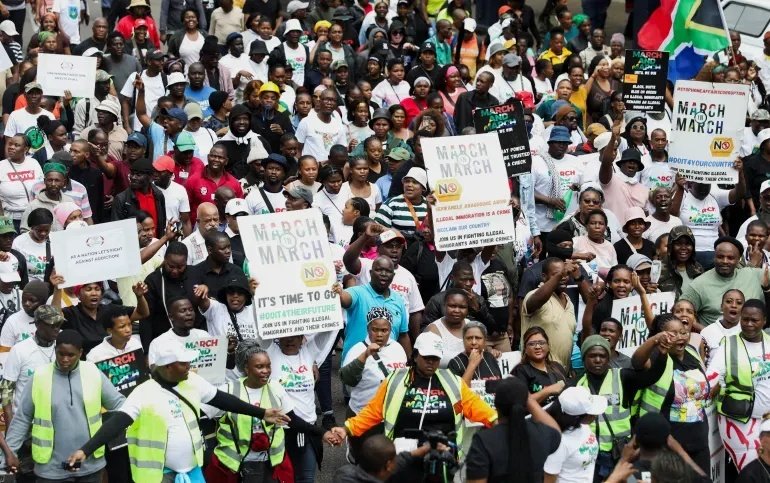
Demonstrators from South Africa’s anti-migrant March and March movement have marched through Pretoria calling on the government to prohibit Nigerians from entering the country.
The protest was led by the movement’s leader, Jacinta Ngobese-Zuma, and passed through Sunnyside, a suburb with a large Nigerian population that is often known as “Little Lagos”.
In footage shared by South African broadcaster Newzroom Afrika, Ngobese-Zuma questioned the use of the nickname during the march.
“Who gave you permission to call this place Lagos or whatever you call it?” she asked residents.
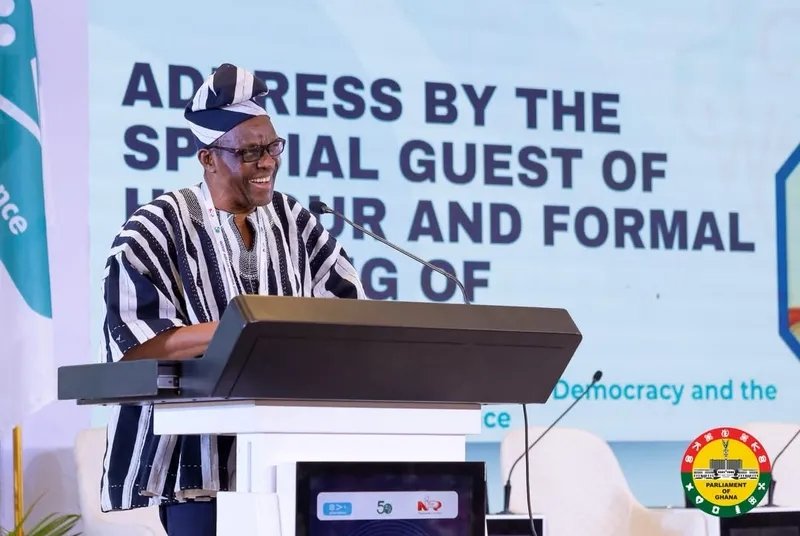
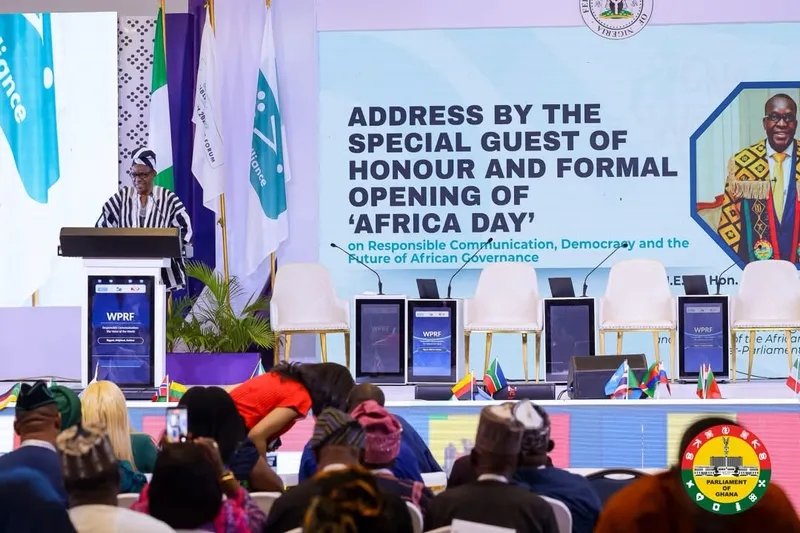
The demonstration took place on the same day that President John Mahama condemned mob violence against foreigners in South Africa. Speaking at a migration conference in Accra, he said the country’s migration crisis “will not be solved by vigilantism”.
The movement’s legal representative, Xolani Zuma, linked its demand for a ban to allegations involving drug dealing.
“The state must ban Nigerians from South Africa,” Zuma told protesters.
The group also urged South Africa to withdraw from the 1951 UN Refugee Convention. The treaty’s non-refoulement principle prevents states from returning refugees to places where they could face danger.
“We need to get out of it, it’s not sustainable or feasible,” Ngobese-Zuma said.
March and March intends to present its demands to the Home Affairs department. They include tighter immigration controls, restrictions on refugee admissions and quicker deportation of undocumented foreigners.
The protest comes amid strained relations between Pretoria and Abuja. Nigeria’s High Commissioner to South Africa, Femi Fani-Kayode, presented his credentials to President Cyril Ramaphosa on November 13, although his speech was not included in the official livestream of the ceremony.
Fani-Kayode later said the issue had been resolved. However, he has continued to express concern about attacks on Nigerians in South Africa, while stressing that those responsible represent only a minority and do not reflect the wider South African public.
Earlier this year, Ghana repatriated 300 citizens from South Africa as attacks spread. Ghana’s Office of the Special Prosecutor is now investigating corruption allegations linked to that evacuation.
Ghanaian lawyer Kwasi Kwarteng told TV3’s Key Points on November 7 that he saw no distinction between the killings of Ghanaians in the United States and those in South Africa.
President Mahama received South Africa’s new high commissioner to Ghana, Linda Vuyolwethu Shongwe, in Accra on November 11. During the meeting, he reaffirmed the friendship between the two countries.