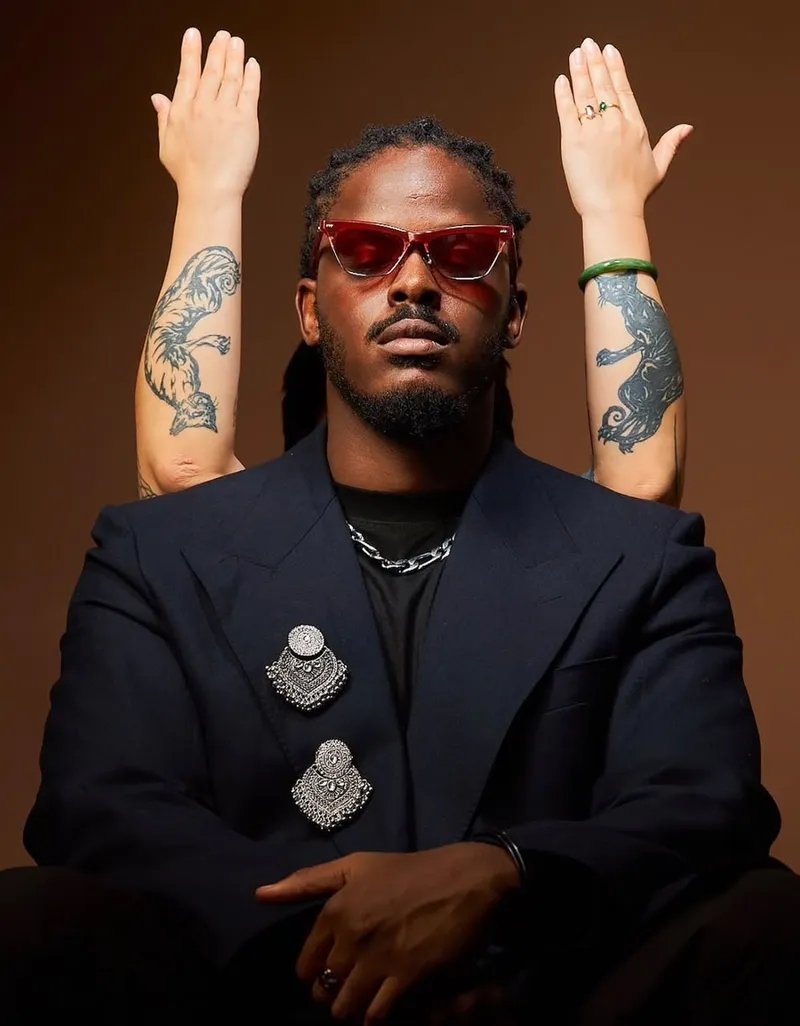
Nigerian singer and songwriter Tomi Thomas says the country’s large population alone cannot guarantee substantial streaming income for musicians.
Speaking on TV3’s Afternoon Show on Tuesday, November 24, the artist said the financial return from music audiences depended heavily on the countries where listeners were based, rather than simply on the number of people in a market.
His comments were monitored by entertainment journalist Joseph Owusu Worae.
“You can have 200 million people streaming in Nigeria and it’s not really adding up, but then you have, what, 100,000 people streaming you in London and that’s making bank,” he said.
Thomas explained that streaming revenue was linked to the value of subscription markets and the economic circumstances of listeners in different territories. He said streams from countries such as the United Kingdom and the United States could produce greater returns than those generated in Nigeria.
The singer said international audiences were therefore an important part of an artist’s strategy when seeking to maximise income from digital platforms.
He also warned that a country’s population size did not automatically mean an artist would receive widespread attention or earn significant revenue.
“You can have all those people and at the same time have nobody listening to your music. It’s where the attention is,” he added.
Despite his comments about streaming income, Thomas acknowledged that Nigeria’s domestic market offered major commercial possibilities. He identified live performances, private shows and brand endorsement agreements as important ways for musicians to benefit from the country’s large audience.
He described the Nigerian music industry as highly competitive, saying artists had to work consistently, develop their abilities and maintain their relevance in order to succeed.
“Everyone’s grinding round the clock. It’s totally competitive. It’s fire,” he said.
Thomas said the size of an artist’s potential audience had to be matched by the ability to attract and keep people’s attention. He made the point as African musicians continue to pursue recognition and commercial opportunities outside their home countries.
The singer also spoke from a position shaped by connections to Ghana’s entertainment industry. Alongside his music career, he is married to Ghanaian singer Efya.
The couple got married in Ghana in November 2026.