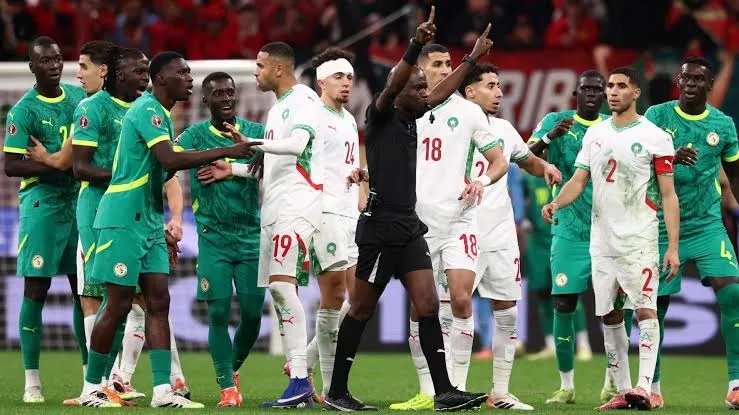
Morocco have 30 days to appeal the Court of Arbitration for Sport (CAS) decision that reinstated Senegal as 2025 Africa Cup of Nations champions, but any challenge will be limited to serious legal or procedural errors.
The Royal Moroccan Football Federation (FRMF) can take the case to the Swiss Federal Supreme Court, the country’s highest judicial authority and the final legal avenue available to contest the ruling.
However, that process would not reopen the dispute or allow the court to reconsider what happened in the controversial final in Rabat. The judges would examine only whether the arbitration proceedings complied with the law and whether the necessary procedural safeguards were followed.
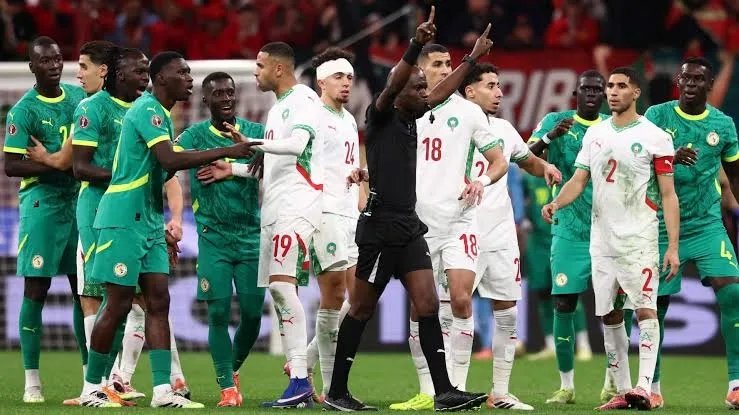
CAS announced its decision on Tuesday, November 24, after more than eight months of legal uncertainty and competing claims from the parties. The ruling overturned an earlier decision by the Confederation of African Football (CAF), which had stripped Senegal of the title and awarded Morocco a 3-0 victory by default.
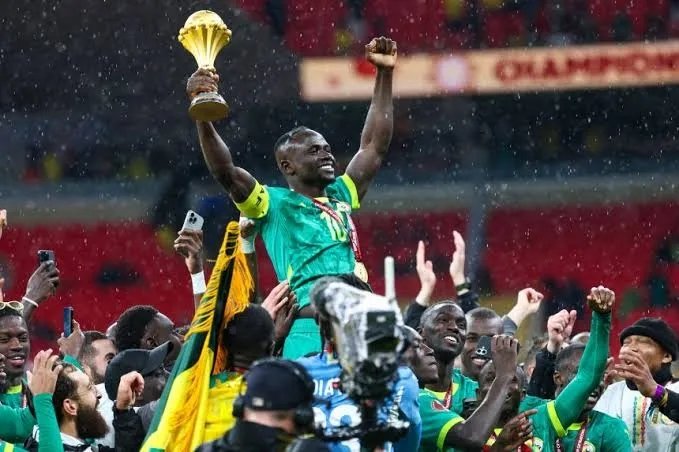
Senegal had won the final on the pitch in January, but CAF’s Appeal Board later ruled against the West African side. The Senegalese Football Federation then appealed to CAS.
Following a hearing in Lausanne, Switzerland, in early October, CAS ruled in Senegal’s favour. The decision restored Senegal’s status as African champions and removed Morocco’s recognition as winners.
The FRMF has announced plans to challenge the verdict, keeping the dispute alive. Under the rules governing CAS decisions, the federation has 30 days from official notification to submit an appeal to the Swiss Federal Supreme Court.
That appeal would not be a fresh hearing. The court would not reassess the incidents in the final, review the sporting evidence considered by CAS or decide which team deserved to win the championship.
Instead, Morocco would need to rely on one of five specific legal grounds for setting aside an arbitration ruling.
The first concerns the constitution of the arbitration panel, including whether it was properly formed and whether arbitrators were correctly appointed. The second relates to jurisdiction: whether the panel had the authority to hear and decide the dispute.
A challenge could also be made if the panel ruled on matters that had not been submitted by the parties, or failed to address a request formally presented during the proceedings.
The fourth ground concerns equal treatment and the right to be heard. Morocco could argue that it was not treated fairly or was denied a proper opportunity to present its case.
The final ground is public policy, applying where a decision is considered incompatible with fundamental principles that national courts are required to protect.
CAS says only about 6% of its decisions are appealed to the Swiss Federal Supreme Court each year, highlighting how rare and restricted the process is.
Morocco must therefore identify a recognised legal defect rather than simply argue that CAS reached the wrong sporting conclusion. The next 30 days will determine whether the FRMF pursues that final route or accepts Senegal’s restored title.