More than 3,000 former National Service Personnel, including about 600 women, have applied for Ghana’s first four-week Basic Military Training programme.
The initiative is expected to begin in December 2026 and will select 2,000 participants after an ongoing screening and selection process.
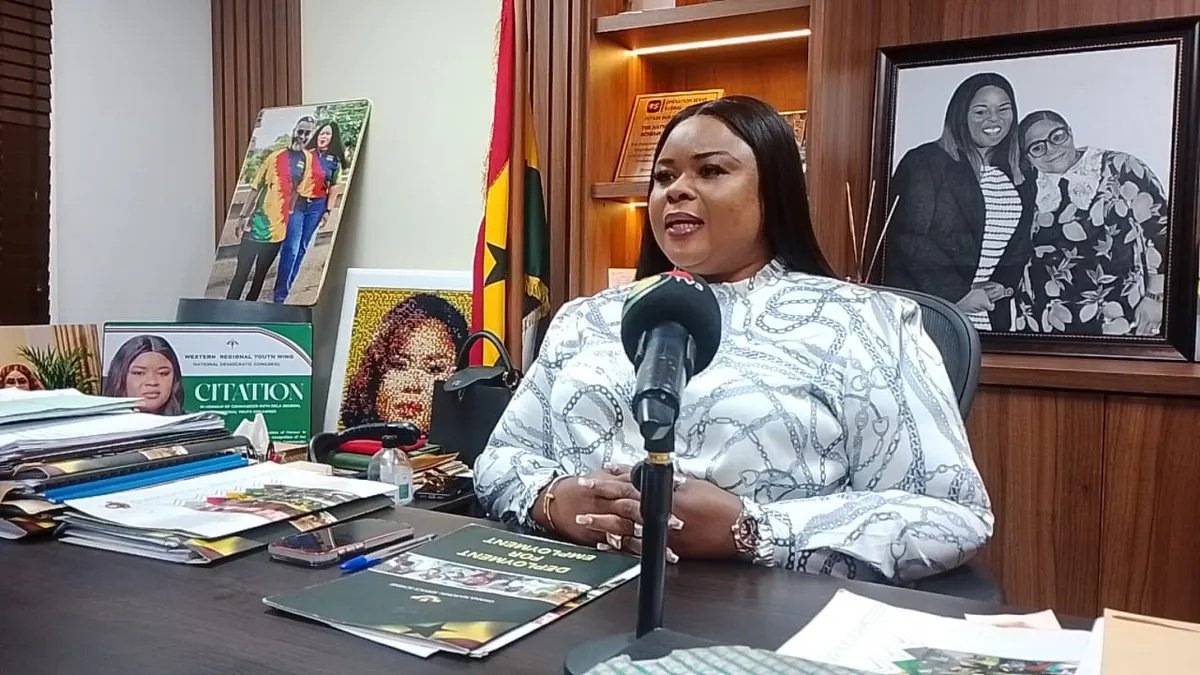
National Service Authority Director-General Ruth Dela Seddoh told TV3 that medical assessments were the first stage of the process. The screenings are intended to establish whether applicants are fit to take part in the training.
Although the programme has attracted more than 3,000 applications, Mrs Seddoh confirmed that the inaugural intake would be limited to 2,000 candidates.
The applicants recently completed their mandatory national service and subsequently expressed an interest in receiving basic military training.
Over the four-week period, participants are expected to learn about basic military practices, discipline and physical conditioning. The programme will also introduce them to values linked to military service.
The government says the initiative could help young people build skills and personal qualities that would prepare them for greater responsibilities. It could also provide a foundation for those who may later seek a career in the Ghana Armed Forces.
Mrs Seddoh said the government was considering making the programme compulsory for National Service Personnel in future years.
Such a move would significantly widen the initiative’s reach and could make military orientation a standard element of the national service experience for young Ghanaians.
The decision to establish the programme comes as discussions continue around youth development, national discipline and the importance of giving young people practical skills and a stronger sense of civic responsibility.
The role the training will play beyond its four-week duration is also likely to come under scrutiny. In particular, questions remain over whether it will establish a formal route into the Ghana Armed Forces or operate mainly as a national development and orientation programme.
The results of the current medical screening and selection process, followed by the eventual launch of the programme, are expected to provide a clearer indication of the government’s wider plans for the initiative.