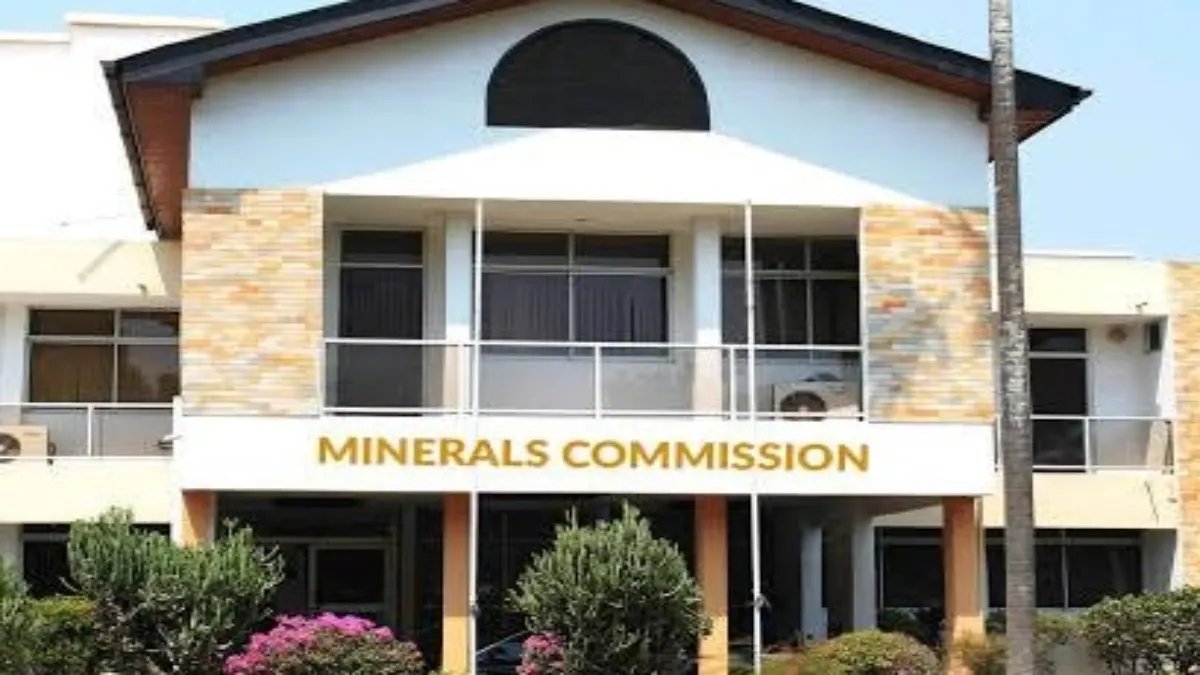
The Minerals Commission has defended its decision to revoke Narawa Company Limited’s Nsutam and Osiem mining leases, saying the company failed to settle Annual Mineral Right fees totalling USD 909,127.79.
The Commission rejected allegations from Narawa that its leases had been wrongfully, forcibly or unlawfully terminated and that its operations had been handed to an individual.
In a press statement issued by its Communications and Corporate Affairs Directorate and dated October 20, the Commission described those claims as false and said they did not accurately reflect either the facts or the legal process.
According to the statement, Narawa was required to pay the annual fees under section 24 of the Minerals and Mining Act, 2006 (Act 703), as well as clause 27 of its mining lease agreement with the Government of Ghana.
The Commission said the company defaulted on those obligations. It subsequently issued Notices to Remedy Breach under section 68(2) of Act 703 and regulation 200(3) of the Minerals and Mining (Licensing) Regulations, 2012 (L.I. 2176).
Narawa did not make the required payment within the stipulated period, the Commission said.
The regulatory body explained that it recommended termination of the leases to the Minister for Lands and Natural Resources in a letter dated 29 July 2025. The minister approved the recommendation on 19 August 2025, while a formal Notice of Termination was issued to Narawa on 3 September 2025.
The Commission said the termination meant Narawa no longer had any valid mineral right, interest or entitlement over the Nsutam and Osiem concession areas. Those mineral rights, it added, reverted to the State.
It also warned that any activity allegedly carried out by Narawa on the concessions after the termination date amounted to illegal mining.
The Commission denied authorising or permitting any invasion of the area. It said the State had instead exercised its rights by granting new mineral rights over the concessions to two separate entities.
Those entities are currently operating within the law and complying with all statutory and regulatory requirements, the statement said.
The Minerals Commission said it remained committed to administering Ghana’s mineral resources transparently and lawfully.
It added that it would not be influenced by attempts to misinform the public or avoid the proper legal process.