The International Monetary Fund (IMF) has praised Ghana’s difficult economic reforms after stronger-than-expected growth, single-digit inflation and an improved fiscal position, while warning that preserving those gains will be the country’s next major challenge.
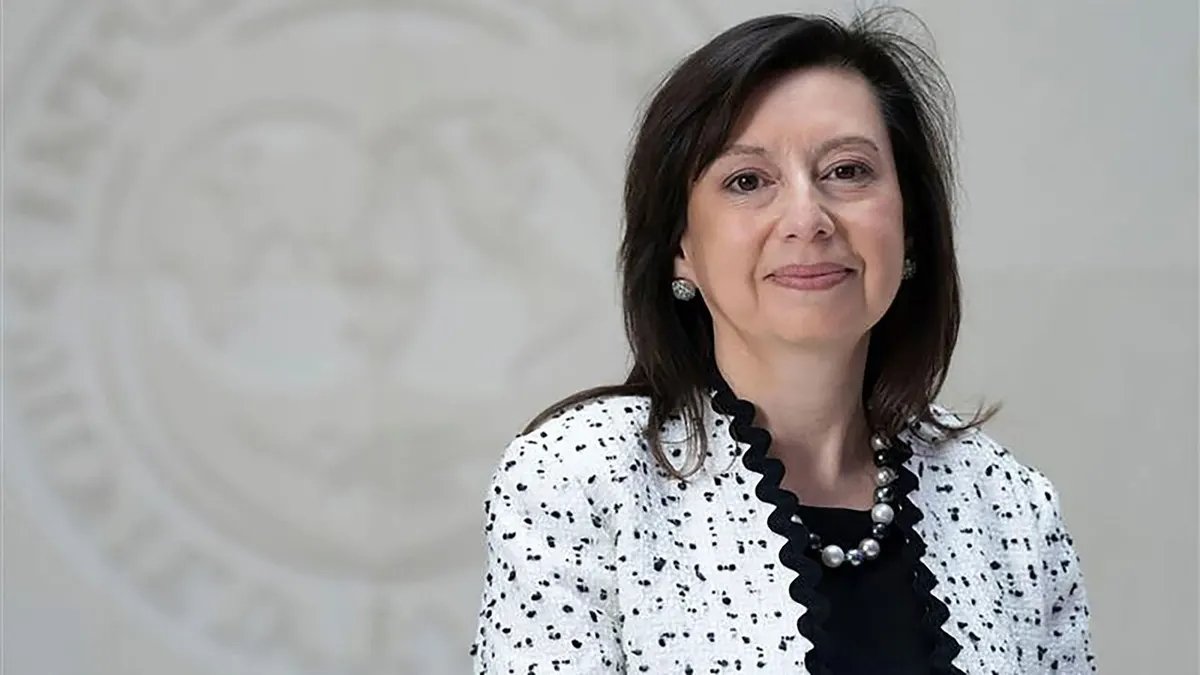
Speaking at a news conference in Washington, DC, IMF Director of Communications Julie Kozack said Ghana had continued to make progress despite global pressures, including the impact of energy prices.
Ghana’s economy expanded by 6 per cent last year, while the IMF expects growth of 5.7 per cent this year. Although that would represent a modest slowdown, the Fund said performance had remained ahead of expectations.
Inflation has also fallen into single digits, Ghana’s external position has improved and public debt is now around 50 per cent of GDP, according to Kozack.
“The fiscal position in Ghana is now strong, and the primary surplus is on track to meet the year-end targets,” she said.
Kozack attributed the progress to decisions taken during a particularly difficult period for the economy.
“We’ve also seen a willingness by the authorities to undertake some very difficult policy decisions,” she said. “Those are now bearing fruit, as I said, in terms of stability and the strength of the economy.”
She also highlighted the government’s efforts to involve groups outside the state in the reform process.
“One thing we also saw in Ghana was an extensive social dialogue in the country, a lot of engagement with key stakeholders beyond the government to explain reforms, to get feedback, to understand broader priorities for the country,” she said.
The IMF’s emphasis on consultation reflects the importance of public support to economic reform programmes, which can struggle when their costs and trade-offs are not broadly understood.
From stabilisation to resilience
The IMF said its relationship with Ghana was moving beyond immediate crisis management. Its focus is now on consolidating the reforms already introduced and strengthening the foundations of the economy.
That change is reflected in Ghana’s decision to pursue a Policy Coordination Instrument (PCI) after completing its three-year, US$3 billion Extended Credit Facility programme.
The PCI does not provide financing. Instead, it represents a vote of confidence while allowing the IMF to remain closely engaged with Ghana’s economic policy decisions.
The Fund’s central message is that Ghana must now improve its ability to absorb future shocks and maintain the progress achieved under the previous programme.
Pressure on the 2027 Budget
The IMF’s assessment comes after the 2027 Budget Statement, in which Finance Minister Dr Cassiel Ato Forson said the government intended to keep inflation in single digits, reduce the cost of capital and maintain public debt at a level consistent with 45 per cent of GDP.
Compared with the IMF’s estimate of around 50 per cent, that target indicates that further reductions in debt will be needed.
The immediate test will be whether Ghana can maintain fiscal discipline, keep the primary surplus on course and protect low inflation while building safeguards against energy-price pressures and other global shocks.