Praho, a farming community in Ghana’s Akyemansa District, has been overwhelmed by illegal mining, destroying about 560 acres of land and polluting the Pra River, the community’s main water source.
The crisis has left residents struggling to maintain their livelihoods, with farms, forests and water bodies severely damaged by mining operations involving bulldozers and excavators. Some of the operators are foreigners.
The environmental destruction has also driven up food prices. Cassava that sells for GH¢10 in Koforidua, the regional capital, costs between GH¢15 and GH¢20 in Praho.
Residents now walk almost two kilometres each day to collect water for domestic use. Many have been forced to rely on rainwater for household activities and farming, while polluted sources have contributed to widespread water-borne diseases.
The extent of the deterioration was observed on Friday, November 20, 2026, when a reporting team visited the community with opinion leaders, young residents and security personnel.
The team reached the mining site at about 11 a.m. after spending nearly two hours trekking along a narrow, muddy and overgrown route. Three opinion leaders were unable to complete the journey after their boots broke during the difficult walk through the heavily damaged terrain.
The illegal miners fled after learning that the team had arrived, abandoning their equipment. While the foreign operators ran into the forest, some young people continued mining.
Nearby, youngsters who appeared to be teenagers were selling food, drinks and bottled water to those working at the site. A breastfeeding mother and her baby were among them.
Although the mining is believed to generate thousands in foreign currencies for operators and their sponsors, Praho’s poor infrastructure offers little sign of wealth being extracted from beneath the community.
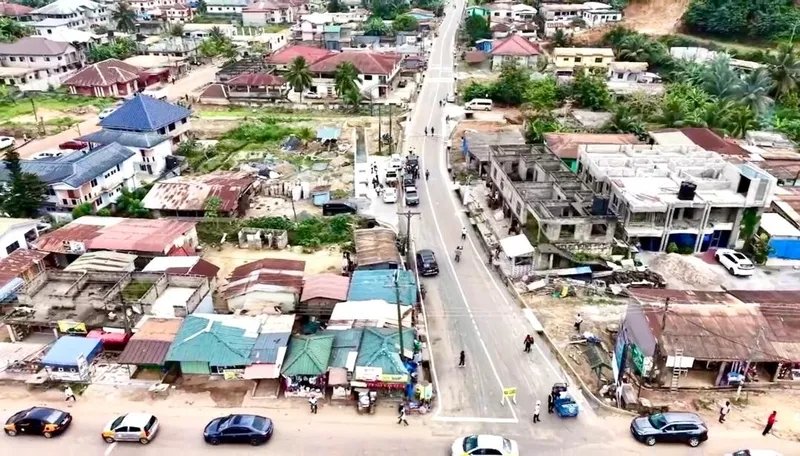
Roads are in a particularly poor condition, and passengers sometimes have to leave vehicles and help push them through the mud. Wastewater from the mining sites has also flowed onto parts of the roads, making travel difficult for residents of nearby communities, including Abu, Paawudu and Foase.
Residents have called for urgent action to address persistent problems with telecommunication network services in the area.
They also say the destruction has reached the Pra River, a spiritually important site where their traditional god is believed to dwell. Natives previously performed rituals there before entering the community’s wild forest reserve.
Opanin Yaw Osei criticised the traditional authorities for failing to confront the problem.
“Our people can’t get to the site,” he said.
A stream used by farmers has been completely polluted, affecting bathing, crop irrigation and fishing. Residents now describe their remaining water sources as brownish and milky.
Illegal mining remains in full operation and appears to be worsening, while residents say the authorities, including the Eastern Regional Security Council, have remained silent. They are demanding action to halt the destruction and protect their water sources.
By Benjamin Aidoo