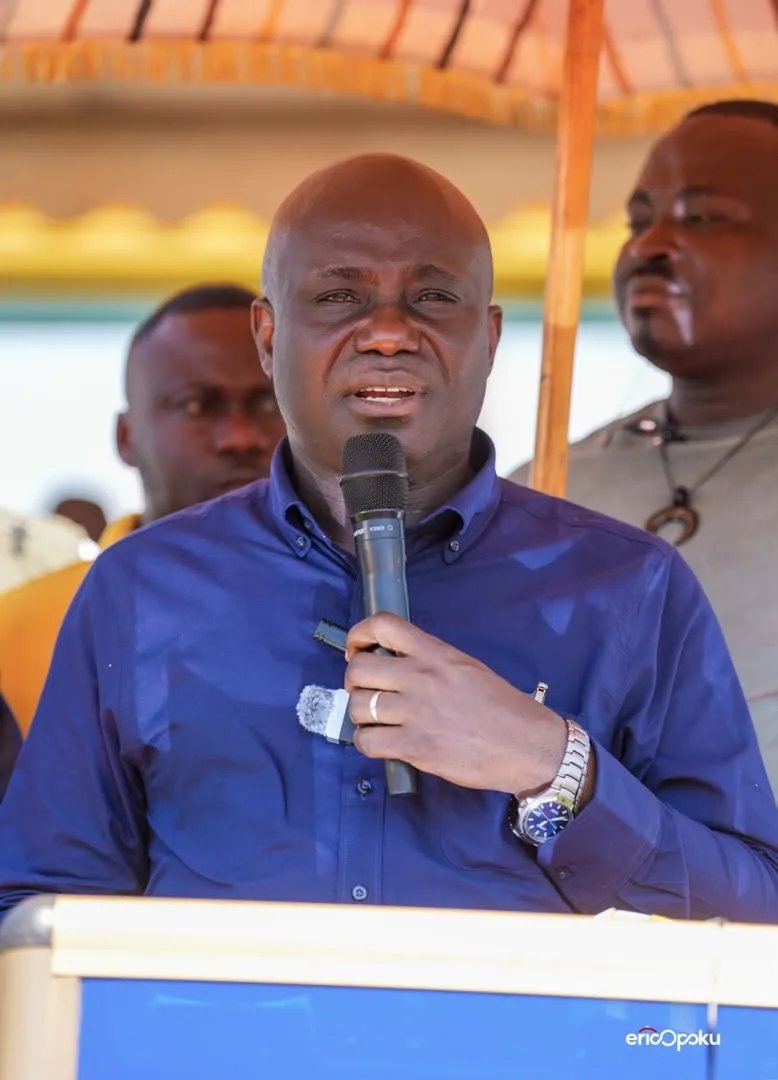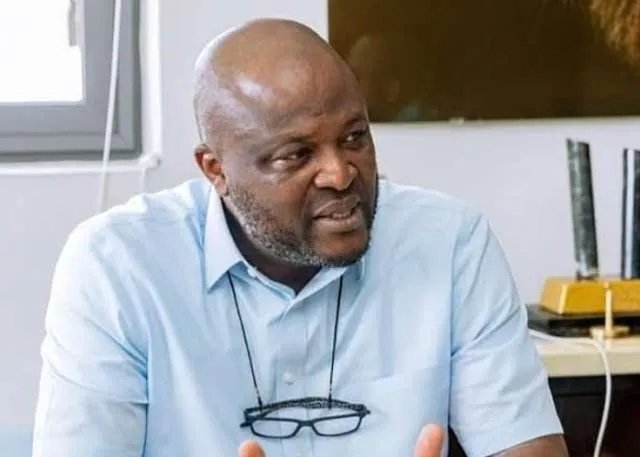
Businessman Ibrahim Mahama has urged Ghana to establish more locally owned manufacturing companies, arguing that a stronger domestic industrial base would make the country’s economy more resilient.
The Chief Executive Officer of Dzata Cement made the call as Ghana’s manufacturing sector continues to have relatively few large indigenous companies operating at scale, despite longstanding calls for greater local production and industrialisation.
Speaking at the launch marking Dzata Cement’s fifth anniversary on October 6, Mahama said Ghanaian entrepreneurs needed greater confidence in their ability to develop major industrial ventures rather than leaving them primarily to foreign companies.
“For far too long, Ghanaians, we have put ourselves low, and we want to always be the slave to the foreigners. There are other ventures that I want to prove to Ghanaians that we can’t always be beggars, and we can’t only just be employees of foreign companies. We can build it ourselves,” he said.
Mahama said expanding manufacturing was about more than creating individual businesses. In his view, Ghana also needed an environment in which local entrepreneurs were willing to take risks and build industries capable of lasting beyond one generation.
He added that parents and business owners had a responsibility to give younger family members opportunities to take leadership roles, while supporting them as they dealt with the risks involved in running a company.
The appointment of his daughter, Nafisa Ibrahim, as Managing Director of Dzata Cement illustrates the approach he outlined.
Mahama said business owners should prepare their children to take responsibility and eventually lead the companies they had built.
“In life, some of us should learn these lessons. We won’t live forever. So sometimes we should give the children the opportunity to be able to take that risk of managing. I have a business motto. I’ve run Engineers and Planners for the past 30 years. What we do is that we start running together, and then as our children grow, we employ them in the business. We teach them, and then we retire,” he added.