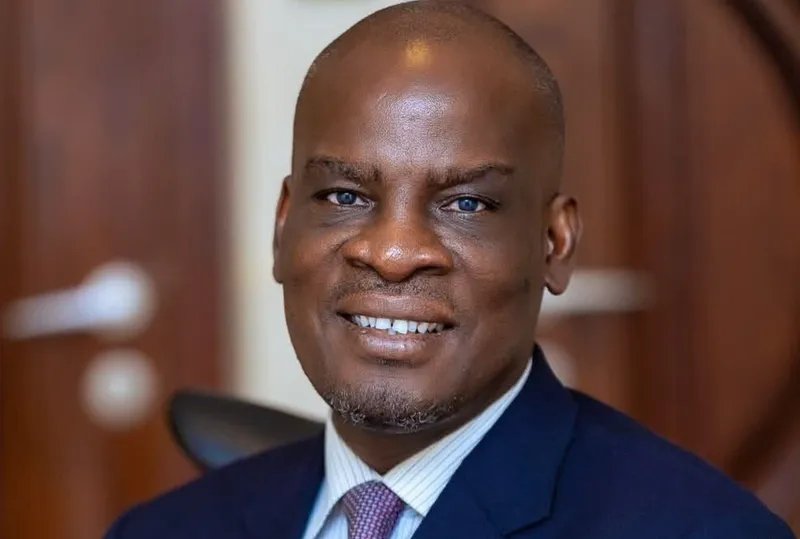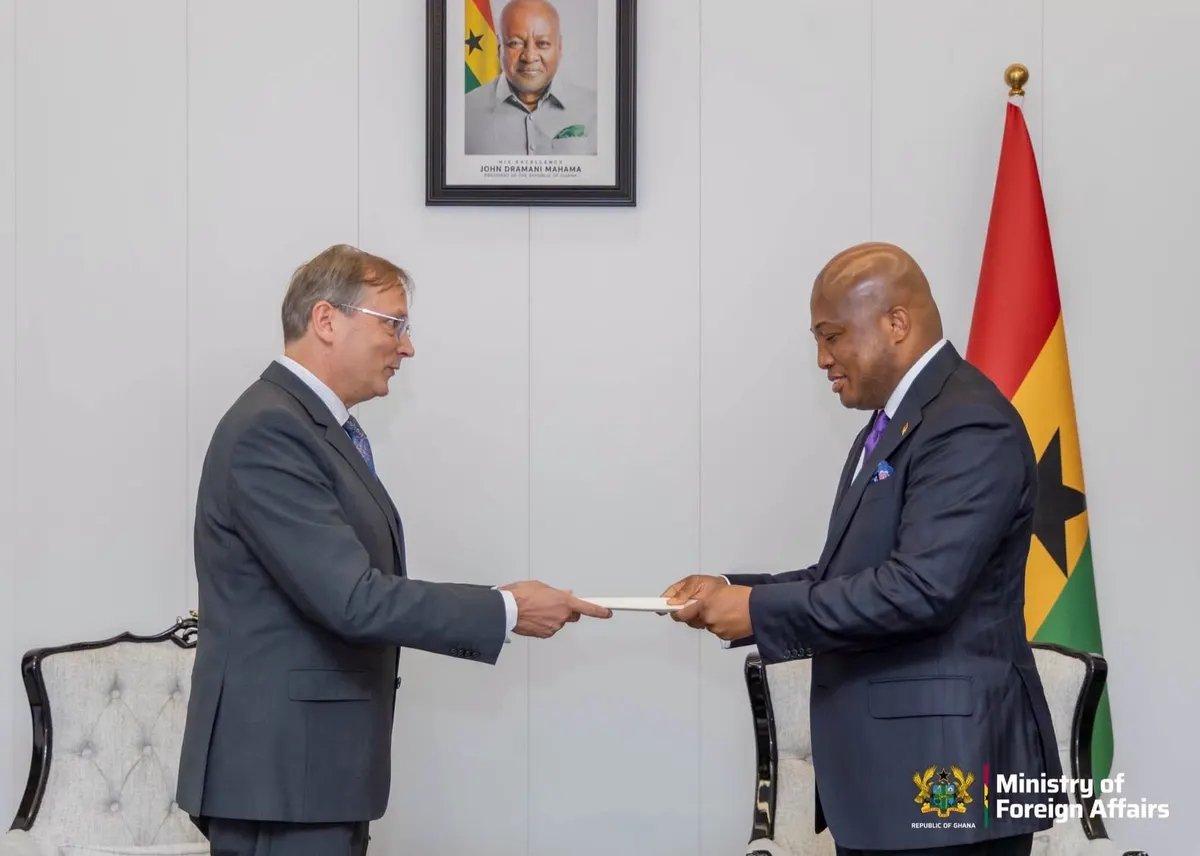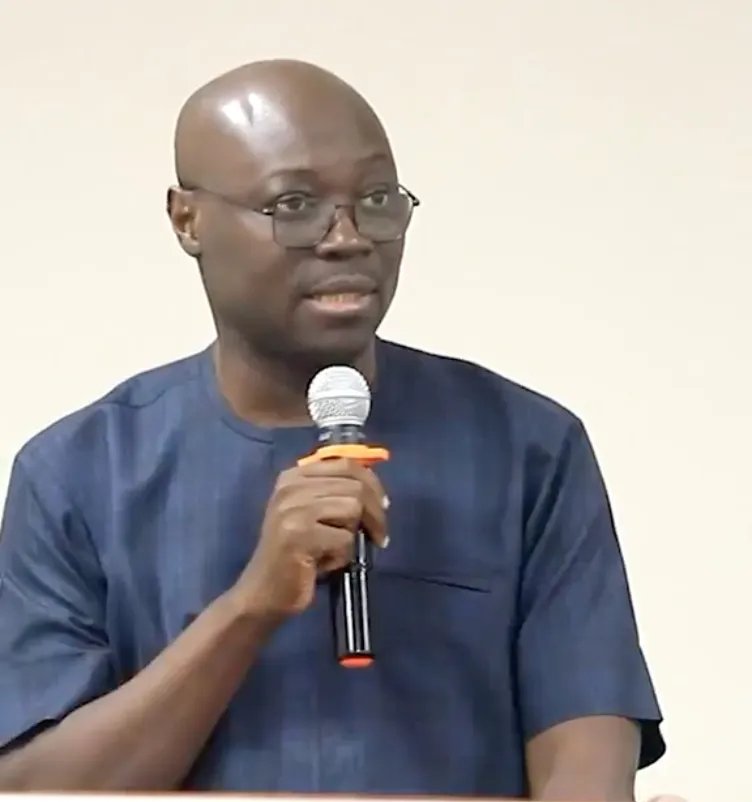
Finance Minister Dr. Cassiel Ato Forson says Ghana’s New Economy agenda will tackle the structural problems that have limited the impact of economic growth and prevented it from creating enough decent jobs, boosting domestic production and improving living standards.
Speaking at the University for Development Studies (UDS), Nyankpala Campus, Dr. Forson said the country needed to go beyond increasing the size of its economy and instead change the way it produced goods, traded and created opportunities for its people.
“Ghana has had moments of growth. But growth alone has not been enough,” he said.
The Finance Minister said Ghana had not converted periods of economic expansion into lasting structural change, pointing to the country’s continued reliance on exporting unprocessed commodities while importing finished products.
“We have grown, but not transformed enough. We have exported too much in raw form and imported too much in finished form.”
He also said previous periods of economic stability had failed to resolve weaknesses that left Ghana vulnerable to renewed financial pressure.
“We have celebrated stability, only to return later to pressure, debt, inflation, and adjustment,” he noted.
Dr. Forson said the consequences were particularly clear for young Ghanaians, whose education and training had not been matched by enough employment opportunities.
“We have trained young people, but the economy has not created enough decent jobs to absorb their energy and talent,” Dr. Forson said.
He identified the gap between economic growth and opportunity as the main issue the New Economy agenda was intended to address. The programme will seek to expand local production, process more of Ghana’s agricultural and mineral resources within the country and create employment domestically.
“That is the problem the New Economy is coming to solve,” he stated.
Dr. Forson said the agenda would focus on making Ghana less dependent on imports by increasing the production of goods that people consume locally. It would also seek to ensure that the country gains greater value from what it grows and extracts.
“It is about building an economy that produces more of what we consume. It is about adding value to what we grow and what we mine,” he said.
The Minister stressed that the success of the policy would be measured by whether economic progress produced jobs and improved people’s daily lives, rather than being reflected only in wider economic indicators.
“It is about creating jobs here at home. It is about making sure that stability shows up in people’s lives.”