Ghana produces 72,000 tonnes of electronic waste each year, the second-highest total in West Africa, but has no recorded formal recycling rate as mobile networks and device ownership continue to expand.
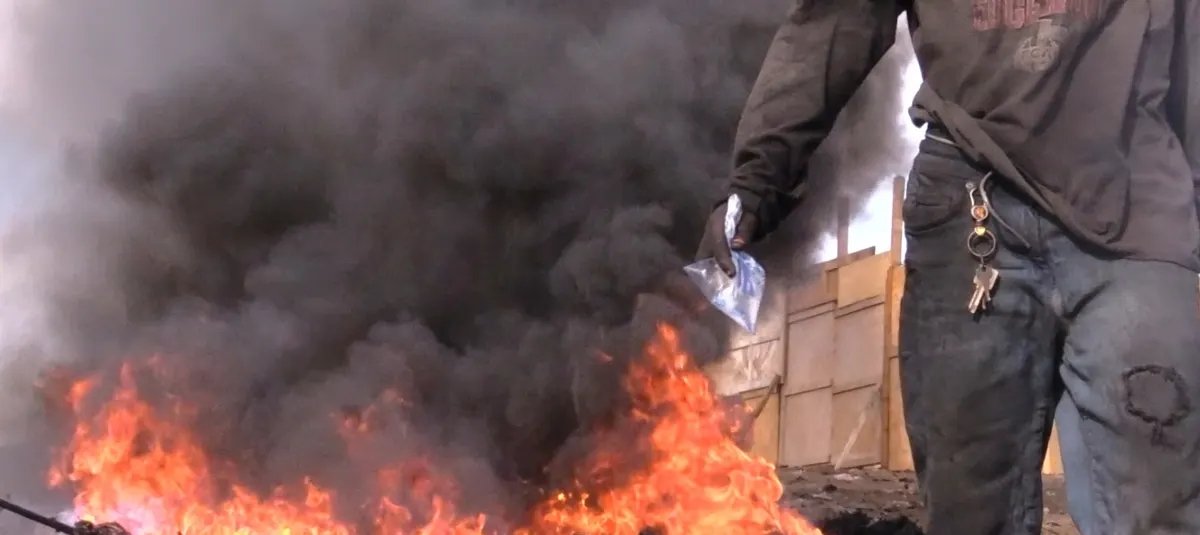
Discarded phones, computers, batteries and household appliances are largely processed at informal scrapyards. At Agbogbloshie in Accra, the open burning of cables and casings has contributed to air pollution for years.
The Global E-waste Monitor 2024, produced by the International Telecommunication Union and UNITAR using 2022 data, estimates Ghana’s e-waste generation at 2.2kg per person. Only Nigeria, with 500,000 tonnes, produces more in the region.
West Africa generates 750,000 tonnes of electronic waste, with documented formal recycling accounting for 0%. Across Africa, just 0.7% of 3.5 million tonnes is formally recycled, compared with 22.3% globally.
The amount of waste is expected to rise as investment in telecommunications accelerates. In November, MTN Ghana announced a three-year, US$1.1bn commitment to 5G sites and fibre infrastructure.
Illegal exports have also added to the problem. In January 2023, European officers stopped more than 5,000 tonnes of e-waste in 331 containers being transported from the Canary Islands to Ghana, Nigeria, Mauritania and Senegal.
Ghana has called internationally for stronger resilience in digital infrastructure. However, the UN report says the country has not established either a national collection target or a formal recycling target.
Eco-levy and e-waste fund
Ghana first regulated electronic waste through the Hazardous and Electronic Waste Control and Management Act, 2016 (Act 917). Its e-waste provisions have since been incorporated into the Environmental Protection Act, 2025.
The legislation requires producers and importers of specified products – including mobile phones, base stations, computers, televisions and lithium-ion batteries – to register with the Environmental Protection Agency and pay an advance eco-levy. Those who fail to do so face a penalty of twice the levy.
The money is paid into the Electrical and Electronic Waste Management Fund. Under Section 28, 40% is allocated to recycling plants, 20% to collection and collection centres, 20% to the EPA and 10% to the Environment Ministry.
The final 10% is divided between public education and research, which receive 5%, monitoring with 3.5%, trade association capacity building with 1% and administration with 0.5%.
Manufacturers, wholesalers and distributors are also required to accept old equipment for safe recycling. But the UN monitor found little publicly available evidence showing how effectively those obligations are enforced.
Informal sector remains central
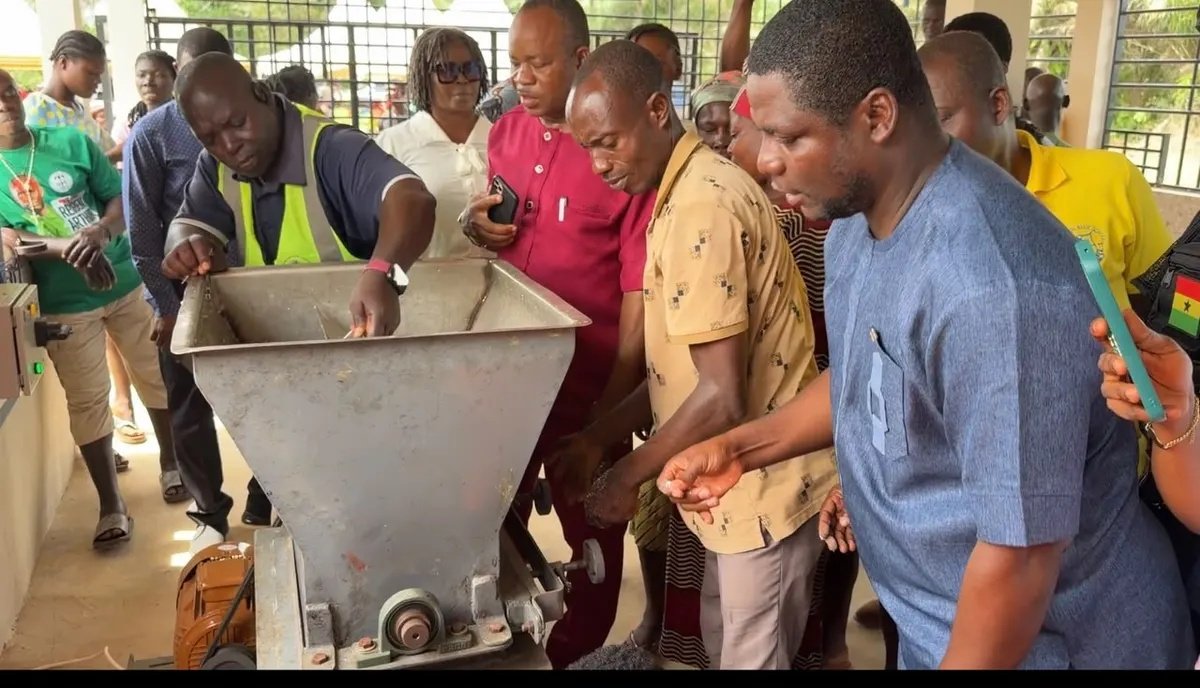
Ten formal e-waste companies established the Electronic Waste Round Table Association in 2020. Germany’s development bank has also supported a centre that purchases scrap from collectors. Despite those initiatives, informal yards continue to process most discarded electronics.
A December 2025 study in npj Urban Sustainability found that Agbogbloshie’s scrapyard directly employs about 6,000 people and supports roughly 30,000 further jobs in Greater Accra. It also reported that workers face fine particulate pollution nearly five times the World Health Organization’s 24-hour limit.
Previous demolitions and disputes over moving Agbogbloshie’s waste heaps to Nsawam have not stopped informal dismantling. Researchers recommended registering informal workers, issuing permits, requiring protective equipment and recording metal purchases by bulk scrap dealers, rather than relying solely on evictions.